How to Shop for Vape Juice Without Harming the Planet

Look for vape juice companies that use recyclable glass bottles instead of plastic, as these dramatically reduce landfill waste and can be repurposed after use. When you buy vape juice, prioritize brands that source organic, sustainably-grown ingredients like vegetable glycerin from certified suppliers—this ensures fewer pesticides enter ecosystems during production.
Choose manufacturers that disclose their full ingredient lists and supply chain practices, particularly those committed to carbon-neutral shipping or local distribution networks. While vaping produces less environmental harm than the environmental impact of smoking traditional cigarettes, the industry still generates significant waste through packaging, shipping, and disposable components.
Support companies offering refill programs or bulk purchasing options, which minimize packaging waste and often reduce costs. Investigate whether brands participate in battery recycling initiatives for vape devices, as lithium batteries pose serious environmental hazards when improperly disposed.
Beware of greenwashing—terms like “natural” or “clean” mean nothing without third-party certifications or transparent sustainability reports. Genuine eco-friendly companies will provide specific information about their environmental commitments, from ingredient sourcing to manufacturing processes.
The good news? Growing consumer demand is pushing more vape juice manufacturers toward genuine sustainability practices. By making informed choices, you directly influence industry standards while reducing your personal environmental footprint. This guide will help you navigate the marketplace, identify truly sustainable products, and understand what makes vape juice shopping genuinely eco-friendly—turning your purchasing power into environmental action.
The Environmental Cost of Traditional Vape Juice
Plastic Pollution from Vape Bottles
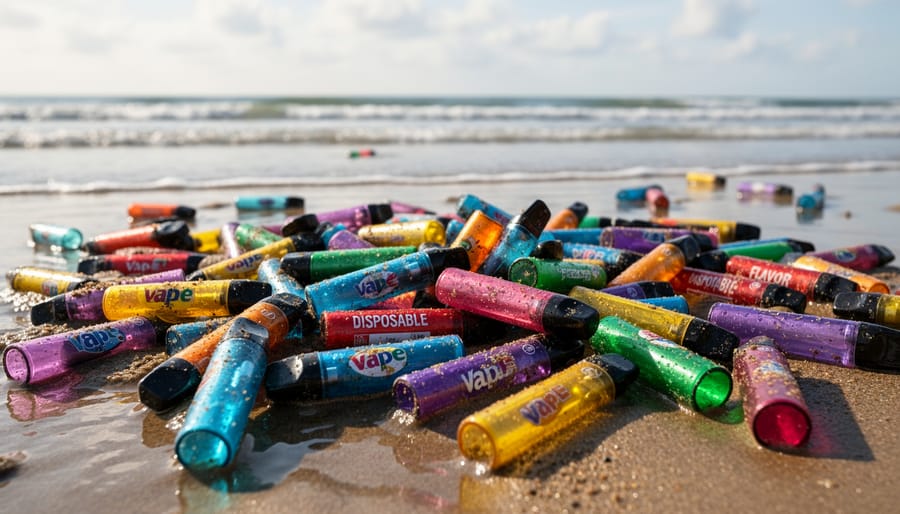
The vaping industry generates a staggering amount of plastic waste through single-use bottles and excessive packaging. Each year, millions of vape juice bottles—typically made from petroleum-based plastics—end up in landfills where they can take up to 450 years to decompose. To put this in perspective, a single vape shop selling 100 bottles weekly contributes approximately 5,200 plastic containers annually to our waste stream.
The environmental impact extends beyond the bottles themselves. Most vape juice packaging includes plastic shrink wrap, cardboard boxes with plastic windows, and foam inserts—all designed for single use. When you consider that the average vaper purchases 2-4 bottles monthly, the cumulative effect becomes clear: one person can generate 24-48 plastic bottles yearly from vaping alone.
Proper plastic waste disposal helps, but prevention is better. Many of these bottles contain residual nicotine and flavorings, making them problematic for standard recycling facilities. In Pennsylvania, local environmental groups report that vape-related plastics increasingly appear in waterways and green spaces, harming wildlife and ecosystems. The good news? Recognizing this problem is your first step toward making more sustainable choices when shopping for vape products.
Harmful Chemicals and Their Production
Many conventional vape juices contain synthetic ingredients that carry significant environmental costs during production. Propylene glycol and vegetable glycerin form the base of most e-liquids, and while vegetable glycerin can be plant-derived, propylene glycol typically comes from petroleum refining processes that generate greenhouse gas emissions and chemical waste.
Artificial flavorings present another concern. These lab-created compounds often require energy-intensive chemical synthesis involving solvents and catalysts that must be disposed of properly. A single flavoring can involve dozens of chemical precursors, each with its own manufacturing footprint. Synthetic nicotine production similarly demands complex chemical processes that consume substantial energy and water resources.
The production facilities themselves contribute to environmental impact through energy consumption, wastewater generation, and air emissions. Manufacturing sites may release volatile organic compounds into the atmosphere, while chemical byproducts require treatment before disposal.
Understanding these production realities helps you make informed choices. When shopping for eco-friendly vape juice, look for brands transparent about their ingredient sourcing and manufacturing practices. Companies using naturally-derived ingredients and renewable energy in production facilities demonstrate genuine commitment to reducing environmental harm. Your purchasing decisions can encourage the industry toward cleaner production methods while supporting businesses aligned with your sustainability values.
What Makes Vape Juice Eco-Friendly
Sustainable Ingredients to Look For
When shopping for eco-friendly vape juice, prioritize ingredients that minimize environmental impact. Start by looking for vegetable glycerin (VG) derived from organic, plant-based sources like coconut or palm oil from certified sustainable farms. VG serves as the base liquid in most vape juices and choosing organic versions ensures no harmful pesticides entered the soil or waterways during cultivation.
Propylene glycol (PG), the other common base ingredient, should ideally come from plant sources rather than petroleum derivatives. While less common, some brands now offer bio-based PG options worth seeking out.
Natural flavorings extracted from real fruits, herbs, and botanicals represent significant sustainable alternatives to synthetic versions. These not only reduce chemical processing but often provide richer taste experiences. Look for labels stating “naturally derived” or “plant-based” flavorings.
Organic nicotine, when needed, comes from tobacco grown without synthetic fertilizers or pesticides, reducing environmental contamination. Some progressive manufacturers now source from farms using regenerative agriculture practices that actually improve soil health.
Check for third-party certifications like USDA Organic, Non-GMO Project Verified, or certifications indicating fair trade practices. These labels provide transparency and accountability, helping you make informed choices that align with your environmental values while enjoying your vaping experience.
Packaging That Protects the Planet
The packaging surrounding your vape juice can significantly impact its environmental footprint. Understanding your options empowers you to make choices that align with your values.
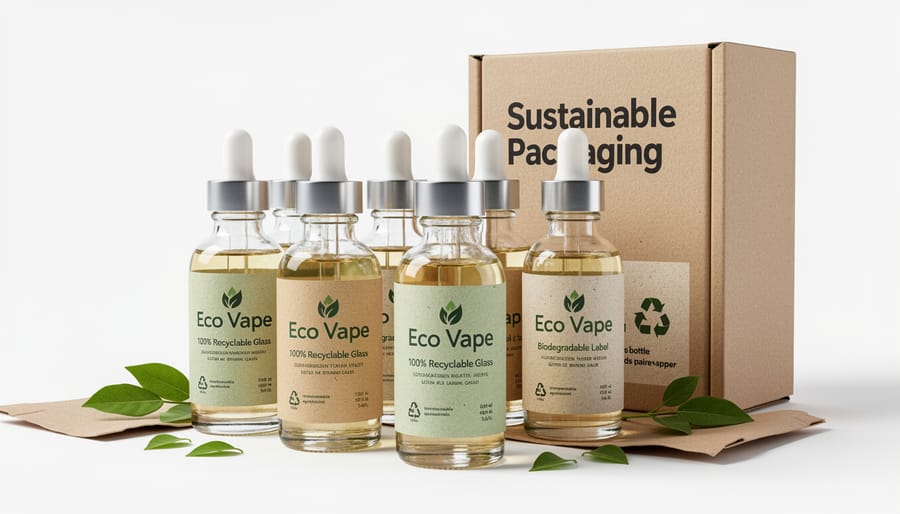
Recyclable packaging includes materials like glass bottles and certain plastics marked with recycling symbols. Look for containers made from post-consumer recycled (PCR) content, meaning they’ve been created from materials previously used by consumers, then processed and repurposed. This reduces demand for virgin materials and keeps waste out of landfills.
Biodegradable packaging breaks down naturally through biological processes, though timeframes vary widely depending on conditions. Compostable materials go a step further, decomposing into nutrient-rich soil within specific timeframes when placed in proper composting facilities. It’s important to note that compostable packaging often requires industrial composting rather than backyard bins to break down effectively.
Refillable systems represent the gold standard for sustainability. These allow you to purchase vape juice in bulk containers and refill smaller bottles repeatedly, dramatically reducing single-use waste. Some specialty vape shops now offer refill stations where you can bring your own containers.
When evaluating packaging claims, ask questions. Does the company provide clear recycling instructions? Can you verify their sustainability certifications? Companies genuinely committed to environmental responsibility will transparently explain their packaging choices and disposal methods, helping you make informed decisions that protect the planet.
Ethical Manufacturing Practices
Choosing vape juice from companies committed to ethical manufacturing makes a tangible difference in reducing environmental harm. Look for brands that prioritize carbon-neutral production through methods like carbon offset programs or direct emissions reduction. Some forward-thinking manufacturers now power their facilities with renewable energy sources such as solar or wind power, significantly lowering their carbon footprint compared to conventional production.
Fair labor practices are equally important in the sustainability equation. Responsible companies ensure safe working conditions, fair wages, and transparent supply chains. When shopping, check whether brands openly share information about their manufacturing locations and labor standards. Companies genuinely committed to sustainability typically aren’t shy about highlighting these practices on their websites or packaging.
Consider this practical approach: research a few brands before purchasing and look for third-party certifications that verify their environmental and ethical claims. While certifications specific to vaping are still emerging, general sustainability credentials like B Corporation status or specific environmental audits demonstrate real commitment beyond marketing language. By supporting these manufacturers, you’re voting with your wallet for a more sustainable vaping industry.
How to Identify Genuinely Green Brands
Certifications and Labels That Matter
Navigating eco-labels can feel overwhelming, but understanding a few key certifications helps you identify genuinely sustainable vape juice brands. USDA Organic certification ensures that botanical ingredients like vegetable glycerin or natural flavorings come from plants grown without synthetic pesticides or fertilizers. While complete organic certification for vape products remains rare due to the industry’s nature, some manufacturers source organic-certified ingredients for their formulations.
The Leaping Bunny logo guarantees no animal testing occurred during product development, addressing ethical concerns beyond environmental impact. This certification requires rigorous supply chain monitoring and applies to both finished products and individual ingredients.
B Corp certification takes a broader view, evaluating a company’s entire environmental and social performance. B Corp vape companies demonstrate commitment to sustainable manufacturing, fair labor practices, and transparency. They undergo comprehensive assessments covering everything from waste reduction to community engagement.
Carbon Neutral certification indicates a brand measures and offsets its greenhouse gas emissions through verified projects like reforestation or renewable energy investments. When shopping, look for these certifications on product packaging or company websites, but remember that smaller eco-conscious brands might practice sustainability without formal certification due to cost barriers. Reading detailed ingredient sourcing information and company sustainability statements helps you make informed choices even without official labels.
Red Flags of Greenwashing
When shopping for eco-friendly vape products, watch out for vague claims that sound impressive but lack substance. Terms like “natural,” “green,” or “eco-conscious” mean little without specific certifications or transparent manufacturing details. Similar to greenwashing tactics found in other industries, vape companies may use earthy packaging colors or nature imagery while their actual environmental practices remain unchanged.
Red flags include brands that don’t disclose their ingredient sourcing, refuse to share information about their manufacturing process, or make broad environmental claims without third-party verification. Be skeptical of products labeled “biodegradable” without clarification, as many materials only break down under specific industrial conditions unavailable to most consumers. Companies genuinely committed to sustainability typically provide detailed information about their supply chain, use recognized certifications, and openly discuss both their achievements and ongoing challenges.
Ask questions before purchasing. If a brand cannot clearly explain how their product benefits the environment or provide evidence supporting their claims, consider looking elsewhere. Authentic eco-friendly companies welcome transparency and back up their promises with concrete actions and verifiable data.
Questions to Ask Before You Buy
Before making your purchase, empower yourself with these essential questions that cut through marketing claims and reveal a brand’s true environmental commitment.
Start with sourcing: Where do the ingredients come from? Are they organic or conventionally grown? Companies serious about sustainability should readily share this information. Ask whether their glycerin is plant-based and if their flavorings use natural extracts rather than synthetic alternatives.
Next, investigate packaging practices: Is the bottle recyclable in your local area? Does the company use recycled materials? What about excess packaging like plastic wrap or cardboard that ends up in landfills? Some brands now offer refill programs, significantly reducing waste.
Transparency matters enormously. Does the company publish third-party certifications or lab results? Can you trace their supply chain? Genuine eco-friendly businesses welcome these questions and often feature detailed information on their websites.
Finally, consider their broader environmental footprint: Does the company offset carbon emissions? Do they support environmental initiatives? What happens to defective products?
Remember, if a company can’t or won’t answer these questions, that silence speaks volumes. Your purchasing power drives change, so don’t hesitate to reach out directly via email or social media. Authentic sustainable brands appreciate informed customers and view transparency as a badge of honor rather than an inconvenience.
Actionable Shopping Strategies for Eco-Conscious Vapers
Buy in Bulk to Reduce Waste
Purchasing larger bottles of vape juice is one of the simplest ways to reduce packaging waste. When you buy a 120ml bottle instead of multiple 30ml containers, you’re cutting down on plastic, cardboard, and shipping materials by up to 75%. Think of it like choosing a bulk bag of rice over individual portions – the same principle applies.
Some brands offer concentrated formulas that you dilute at home, further minimizing packaging. These concentrates typically come in small glass bottles with clear mixing instructions, making them beginner-friendly despite what the term “concentrate” might suggest.
Proper storage is essential when buying in bulk. Store your vape juice in a cool, dark place away from direct sunlight, which can degrade the ingredients. A cupboard or drawer works perfectly. Once opened, larger bottles typically stay fresh for 1-2 years when stored correctly, though checking the expiration date is always wise.
Consider splitting bulk purchases with friends who share your sustainability values. This approach makes larger quantities more manageable while spreading the environmental benefits throughout your community.
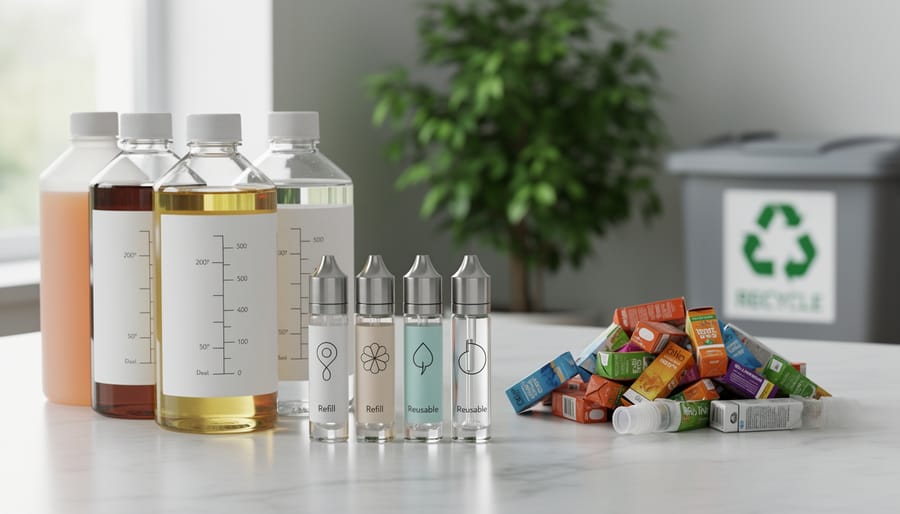
Choose Refillable and Reusable Options
Reducing waste starts with choosing refillable and reusable options over single-use packaging. Many specialty vape shops now offer refill stations where you can bring your own clean bottles to fill with your preferred e-liquid flavors. This approach eliminates packaging waste entirely while often saving you money per milliliter. When refill stations aren’t available, look for brands offering bottle return programs. These initiatives allow you to send back empty containers for proper recycling or sterilization and reuse, ensuring materials stay in circulation rather than ending up in landfills.
Consider investing in larger-format bottles, typically 60ml or 120ml sizes, rather than purchasing multiple smaller containers. This simple switch significantly reduces packaging waste over time. Some companies even provide durable glass bottles designed for repeated use, which you can clean and refill yourself when purchasing bulk e-liquid. Ask your local vape retailer about their sustainable packaging options and whether they participate in take-back programs. By supporting businesses with circular economy practices, you’re voting with your wallet for a more sustainable vaping industry.
Support Local and Small-Batch Producers
Choosing vape juice from local and small-batch producers offers meaningful environmental advantages while supporting your regional economy. Pennsylvania-based manufacturers typically operate on smaller scales, which allows them greater flexibility in implementing sustainable practices like using renewable energy, minimizing waste, and sourcing ingredients responsibly. These producers often prioritize quality over quantity, resulting in cleaner formulations with fewer unnecessary additives.
Shopping locally also dramatically reduces your carbon footprint by cutting down on shipping distances. When you purchase from a Pennsylvania manufacturer instead of ordering from across the country or internationally, you eliminate hundreds or thousands of transportation miles. Many regional producers deliver within the state using efficient distribution networks, further reducing emissions.
Small-batch manufacturers tend to be more transparent about their processes too. You can often contact them directly to ask about their sustainability commitments, ingredient sourcing, and packaging choices. This accessibility makes it easier to make informed decisions aligned with your environmental values. Supporting these businesses creates a market incentive for sustainable practices, encouraging more manufacturers to adopt eco-friendly approaches.
Properly Dispose of Vape Waste
Once you’ve finished your eco-friendly vape juice, proper disposal ensures your sustainable choices make a real difference. Most vape juice bottles are recyclable, but you’ll need to take a few extra steps. First, rinse empty bottles thoroughly with warm water to remove residual liquid, as contaminated containers often can’t be processed. Check the recycling symbol on the bottom to confirm your local program accepts that plastic type, typically #1 or #2.
Never pour leftover vape juice down drains or toilets, as the nicotine and other chemicals can harm water systems. Instead, mix unwanted liquid with used coffee grounds or cat litter in a sealed bag before discarding it with regular trash. This prevents children and pets from accidentally accessing it.
For areas lacking curbside recycling options, search online for “household hazardous waste collection” plus your city name to find local drop-off events. Many Pennsylvania municipalities, including Philadelphia and Pittsburgh, host quarterly collection days where residents can safely dispose of chemical products. Some vape shops also participate in take-back programs for bottles and cartridges, creating a closed-loop system that keeps materials in use longer. By taking these simple steps, you’re completing the sustainability circle you started with your purchasing choices.
Pennsylvania Pioneers: Local Sustainability in Action
In the heart of Lancaster County, Green Valley Vapor has become a shining example of how small businesses can lead the way in environmental responsibility. This family-owned vape shop, established in 2019, has transformed every aspect of their operation to align with sustainable values.
Owner Maria Chen decided to reimagine her business model after visiting a local recycling facility and witnessing the volume of vape-related waste. “I realized we could do better,” she explains. “Our customers care about the environment, and we wanted to support that commitment.”
Green Valley Vapor now sources exclusively from manufacturers using organic, domestically-grown ingredients. They’ve partnered with Pennsylvania hemp farms to obtain locally-produced vegetable glycerin, reducing transportation emissions while supporting regional agriculture. Their bottles are made from 100% post-consumer recycled glass, and they’ve implemented a bottle return program that gives customers store credit for bringing back empties.
The shop’s refill station has proven particularly popular. Customers bring their own containers to fill with their preferred flavors, eliminating single-use packaging entirely. This simple innovation has prevented an estimated 8,000 plastic bottles from entering landfills in just two years.
Beyond products, Green Valley Vapor operates with renewable energy through solar panels installed on their roof. They also host monthly educational workshops about sustainable vaping practices, teaching customers how to properly recycle components and maintain devices for longer lifespans.
The business demonstrates that environmental stewardship and profitability can coexist. Sales have increased by 40% since implementing these practices, proving that Pennsylvania consumers enthusiastically support businesses that prioritize our planet. Their success offers an inspiring blueprint for other vape retailers considering similar transformations.
Every purchase you make is a chance to vote for the kind of world you want to see. When it comes to vaping, choosing eco-friendly options might seem like a small gesture, but these decisions create ripple effects far beyond your individual impact. By selecting recyclable packaging, supporting brands with sustainable practices, and properly disposing of used materials, you’re joining a growing movement of conscious consumers who understand that collective action drives real change.
The journey toward reducing environmental impact doesn’t require perfection. Start with one simple swap, whether that’s choosing a brand with refillable options or committing to recycling your empty bottles. As these habits become second nature, you’ll find more opportunities to align your vaping choices with your values. The environmental challenges we face are significant, but they’re not insurmountable when we work together. Your commitment to eco-friendly vape juice shopping demonstrates that sustainability and personal enjoyment aren’t mutually exclusive. Each mindful choice you make contributes to cleaner air, less waste in landfills, and a healthier planet for future generations. That’s something worth celebrating.