Why Hemp-Derived Delta-9 Gummies Are Better for You and the Planet
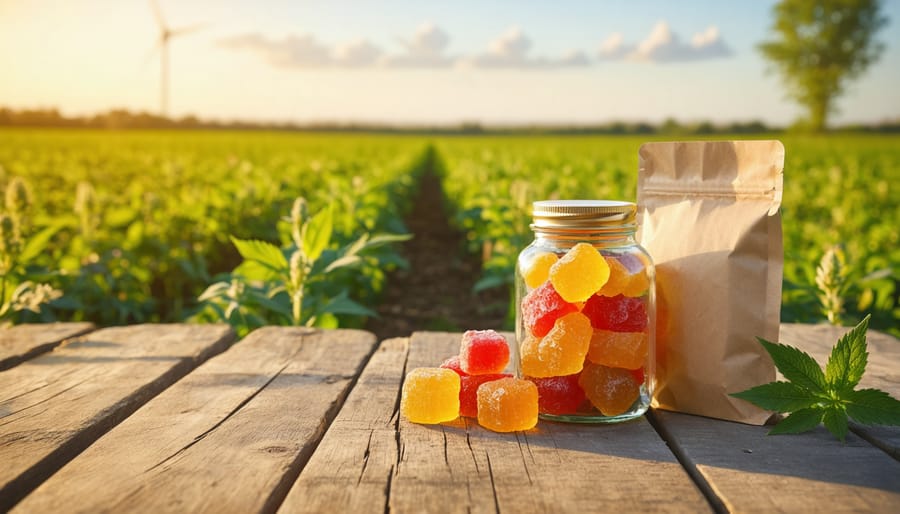
Look for third-party certifications like USDA Organic or Regenerative Organic Certified when shopping for Delta 9 gummies to ensure your purchase supports genuinely sustainable practices. Verify that brands source hemp from farms using water-conservation techniques, crop rotation, and pesticide-free cultivation methods—hemp naturally requires fewer resources than conventional crops, but growing practices vary significantly.
As eco-conscious consumers increasingly seek alignment between their wellness choices and environmental values, hemp-derived Delta-9 THC products represent a compelling intersection of personal enjoyment and planetary responsibility. Hemp cultivation sequesters carbon dioxide, regenerates soil health, and requires minimal water compared to many agricultural crops. Unlike traditional cannabis grown in energy-intensive indoor facilities, hemp thrives outdoors with natural sunlight, dramatically reducing the carbon footprint of your gummies from seed to package.
The sustainability advantage extends beyond farming. Hemp plants are biodegradable, and progressive manufacturers now use compostable packaging, plant-based dyes, and renewable energy in production facilities. By choosing sustainably produced Delta-9 gummies, you’re supporting agricultural practices that restore ecosystems rather than deplete them—transforming a personal wellness decision into an act of environmental stewardship that helps build a regenerative economy.
Understanding Hemp-Derived Delta-9 THC: The Basics
What Makes It ‘Hemp-Derived’?
The “hemp-derived” label stems from a crucial legal distinction established in the 2018 Farm Bill. This federal legislation differentiated hemp from marijuana based on a single factor: THC concentration. Hemp is legally defined as cannabis containing no more than 0.3% Delta-9 THC by dry weight, while anything above this threshold falls into the marijuana category, which remains federally controlled.
This seemingly small percentage makes a world of difference. Manufacturers can legally extract Delta-9 THC from hemp plants and incorporate it into gummies, provided the final product stays within that 0.3% limit when measured by total dry weight. Here’s where it gets interesting for sustainability seekers: because gummies contain other ingredients like sweeteners, flavorings, and plant-based gelling agents, a 5-gram gummy could legally contain up to 15 milligrams of Delta-9 THC while remaining compliant.
The extraction process typically involves removing cannabinoids from hemp flowers and leaves using CO2 or ethanol-based methods. Many sustainable producers favor CO2 extraction because it avoids chemical solvents and produces cleaner byproducts. The resulting Delta-9 THC is chemically identical to what’s found in marijuana—it’s simply sourced from the more environmentally advantageous hemp plant.
Same Compound, Different Source
A common misconception about hemp-derived Delta-9 THC is that it’s somehow inferior to cannabis-derived Delta-9. Here’s the truth: Delta-9 tetrahydrocannabinol is the exact same molecule regardless of its plant source. Whether extracted from hemp or marijuana (both cannabis plants), the chemical structure remains identical—meaning the effects are identical too.
Think of it like vitamin C from an orange versus vitamin C from a strawberry. The source differs, but the compound itself doesn’t change. Your body cannot distinguish between Delta-9 THC from hemp and Delta-9 from marijuana because, at the molecular level, there is no difference to detect.
The only real distinction lies in the plant’s overall THC concentration. Hemp is legally defined as cannabis containing less than 0.3% Delta-9 THC by dry weight, while marijuana exceeds this threshold. This legal classification affects how products are regulated and sold, but it doesn’t alter the Delta-9 molecule itself.
This is excellent news for environmentally conscious consumers. Since hemp-derived Delta-9 works identically to its marijuana counterpart, you can choose the more sustainable option without sacrificing quality or effectiveness. You’re getting the authentic experience while supporting more eco-friendly cultivation practices.
The Environmental Advantage of Hemp Cultivation
Hemp’s Minimal Water Footprint
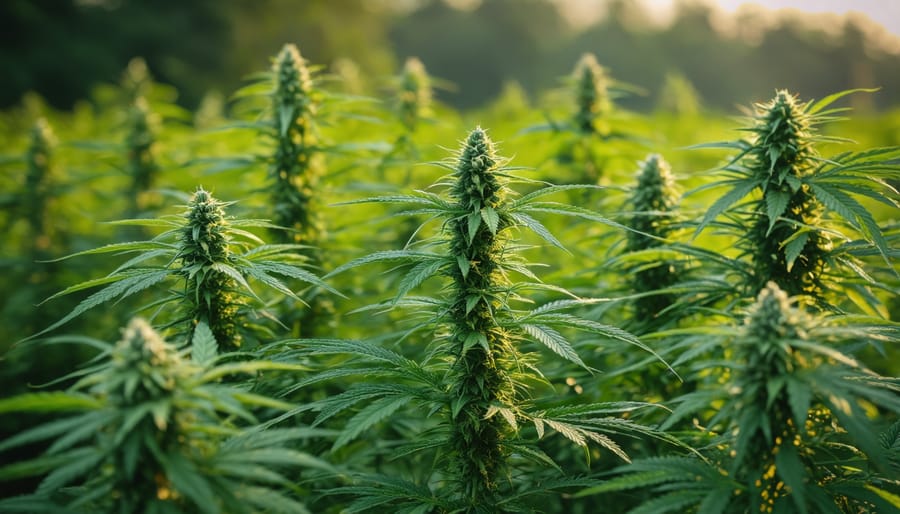
Hemp cultivation stands out as a water-efficient champion in agricultural production. While traditional marijuana grown indoors requires approximately 6 gallons of water per plant daily, hemp thrives outdoors using just rainfall in many climates. Studies show hemp needs roughly 30% less water than cotton and about half the water required by corn cultivation. These impressive figures translate to real water conservation benefits for our planet. Hemp’s deep root system—reaching up to 9 feet—allows plants to access groundwater efficiently while preventing soil erosion. This natural adaptation means hemp can flourish in diverse environments without irrigation systems that drain local water supplies. For eco-conscious consumers, choosing hemp-derived delta-9 gummies means supporting an agricultural system that respects our most precious resource: freshwater.
No Pesticides Required
Hemp plants possess a natural superpower that benefits both farmers and the environment: built-in pest resistance. Unlike many conventional crops that require regular pesticide applications, hemp naturally repels most insects and pests through its dense foliage and aromatic compounds. This characteristic means growers can cultivate hemp with minimal to zero synthetic pesticides, dramatically reducing harmful chemical runoff into nearby waterways and soil.
When pesticides wash into streams and groundwater, they create cascading environmental problems—harming aquatic life, contaminating drinking water sources, and disrupting entire ecosystems. By choosing hemp-derived delta-9 gummies, you’re supporting agricultural practices that protect local biodiversity and water quality. This natural pest resistance also means fewer chemicals entering the bodies of farm workers and surrounding communities, creating healthier rural environments overall. It’s a win-win situation where your wellness choices directly contribute to cleaner ecosystems and safer agricultural practices.
Carbon Sequestration Powerhouse
Hemp stands out as a true environmental champion when it comes to carbon capture. This remarkable plant absorbs approximately 1.63 tons of CO2 per ton of hemp grown—significantly outperforming most traditional crops and even many forest ecosystems. To put this in perspective, one acre of hemp can sequester about 10 tons of CO2 from the atmosphere during a single growing season, which typically lasts just four months.
What makes hemp particularly valuable for climate change mitigation is its rapid growth cycle. Unlike forests that take decades to reach maturity, hemp captures substantial carbon in a matter of months. The plant’s deep root system also improves soil health while storing carbon underground, creating benefits that extend beyond the harvest.
When you choose hemp-derived delta-9 gummies, you’re supporting agricultural practices that actively remove greenhouse gases from our atmosphere, making your purchase a small but meaningful contribution to environmental restoration.
Soil Regeneration and Crop Rotation Benefits
Hemp plants act as natural soil healers, drawing up heavy metals and toxins while their deep taproots break up compacted earth and prevent erosion. Unlike many conventional crops that deplete nutrients, hemp actually returns nitrogen to the soil when its leaves decompose, leaving the ground healthier than before planting.
Farmers increasingly use hemp in crop rotation systems, planting it between seasons of corn or soybeans. This practice reduces the need for chemical fertilizers and pesticides in subsequent crops. One Pennsylvania farmer reported cutting fertilizer costs by 30% after introducing hemp into his rotation schedule.
Hemp’s minimal water requirements—about half that of cotton—make it particularly valuable during drought conditions. The entire plant can be harvested with zero waste, as roots remain to enrich soil while stalks, flowers, and seeds all serve commercial purposes. This regenerative approach creates a closed-loop system where cultivation improves rather than degrades agricultural land.
Comparing Production Methods: Hemp vs. Traditional Cannabis
The Energy Problem with Indoor Cultivation
Indoor cannabis cultivation carries a surprisingly hefty environmental cost that many consumers don’t realize. According to research from Colorado State University, indoor marijuana facilities can consume up to 2,000 kilowatt-hours of electricity per pound of product—roughly equivalent to powering three average American homes for a month.
The energy demands stem from three main systems working around the clock. High-intensity grow lights mimic sunlight for 12-18 hours daily, while industrial HVAC systems combat the heat those lights generate. Meanwhile, dehumidifiers run continuously to prevent mold in these sealed environments. Together, these systems create what environmental scientists call an “energy-intensive feedback loop.”
The carbon footprint is substantial. A 2021 study found that indoor cannabis cultivation generates approximately 2,283 kilograms of CO2 emissions per kilogram of dried flower—comparable to producing aluminum or running data centers. In states where coal still powers the electrical grid, these emissions multiply.
This energy consumption becomes particularly concerning as the legal cannabis market expands. Some estimates suggest indoor cultivation accounts for 1% of total U.S. electricity use in states with established markets. Understanding these impacts helps explain why hemp-derived alternatives, which typically grow outdoors using natural sunlight and rainfall, present such a compelling sustainable option for environmentally conscious consumers.
Why Hemp Thrives Outdoors
Hemp stands out as one of nature’s most resilient crops, making it an ideal candidate for sustainable outdoor cultivation. Unlike many commercial crops that demand extensive chemical inputs and controlled environments, hemp plants naturally adapt to diverse climates and soil conditions across North America, including Pennsylvania’s varied growing regions.
This hardy plant requires remarkably little water compared to conventional crops—roughly half the amount needed for cotton—and thrives without synthetic pesticides. Hemp’s deep root system, which can extend up to nine feet into the soil, allows it to access nutrients and moisture that other plants cannot reach. These roots also prevent soil erosion and improve soil structure for future plantings, leaving the land healthier than before.
Perhaps most impressively, hemp grows densely and quickly, naturally crowding out weeds without herbicides. Its rapid growth cycle—reaching maturity in just 90 to 120 days—means farmers can often harvest multiple crops per season in favorable climates. This efficiency translates directly to sustainability: less water consumption, minimal chemical inputs, and reduced energy expenditure.
For consumers choosing hemp-derived delta-9 gummies, this outdoor cultivation advantage matters. Products sourced from outdoor-grown hemp typically carry a smaller environmental footprint than those from energy-intensive indoor operations, aligning your wellness choices with your environmental values.
Sustainable Practices in Hemp-Derived Gummy Production
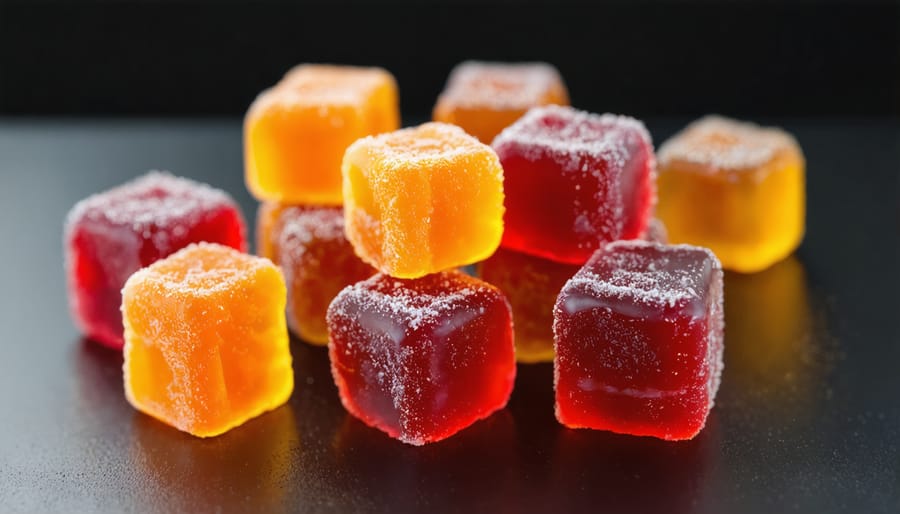
Clean Extraction Methods
The extraction process significantly impacts the environmental footprint of delta-9 gummies. Two methods stand out as particularly eco-friendly alternatives to harsh chemical solvents.
**CO2 extraction** uses pressurized carbon dioxide to pull cannabinoids from hemp plants. This process is remarkably clean—CO2 is non-toxic, naturally occurring, and can be recycled within the extraction system. While the equipment requires substantial initial investment, it produces pure extracts without leaving harmful residues behind. Think of it as nature’s own solvent doing the work.
**Ethanol extraction** offers another sustainable option, using food-grade alcohol to separate beneficial compounds. Ethanol is biodegradable and can be recovered and reused multiple times, minimizing waste. Many producers source their ethanol from renewable plant materials, creating a closed-loop system.
Both methods avoid petroleum-based solvents like butane or propane, which carry environmental and safety risks. When shopping for delta-9 gummies, look for products labeled “CO2 extracted” or “ethanol extracted”—these terms indicate the manufacturer prioritized cleaner production methods that align with your environmental values.
Organic and Natural Ingredients
When choosing sustainable delta-9 gummies, the ingredients list tells an important environmental story. Products made with organic sweeteners like cane sugar or agave avoid synthetic pesticides that harm soil health and watershed ecosystems. Natural fruit extracts for flavoring eliminate petroleum-based artificial flavors, while plant-based colorings from sources like turmeric, spirulina, and beet juice replace synthetic dyes often derived from fossil fuels.
These ingredient choices matter because organic farming practices support biodiversity and healthier ecosystems. By selecting gummies with certified organic ingredients, you’re supporting agricultural methods that build soil rather than deplete it. Plant-based colorings also biodegrade naturally, reducing environmental impact compared to synthetic alternatives that persist in waterways.
Look for transparency from manufacturers—brands committed to sustainability typically provide detailed ingredient sourcing information. Some Pennsylvania hemp producers partner with local organic farms for sweeteners and flavorings, creating regional supply chains that minimize transportation emissions. This farm-to-gummy approach represents the kind of thoughtful production that aligns cannabis products with environmental values, making your wellness choices better for the planet.
Eco-Friendly Packaging Solutions
Forward-thinking hemp gummy brands are revolutionizing their packaging strategies to match the sustainability of their core products. Many companies now use compostable pouches made from plant-based materials like cornstarch or hemp fiber, which break down naturally within months rather than persisting for centuries like traditional plastics. Recyclable glass jars and aluminum tins offer another solution, providing reusable containers that keep gummies fresh while maintaining their commitment to eco-friendly packaging.
The most progressive brands embrace minimal packaging approaches, eliminating unnecessary layers and printed inserts. Some use soy-based inks on recycled cardboard, while others skip individual wrappers entirely. When shopping, look for certifications like “biodegradable” or “home compostable” on labels. You can also contact brands directly to ask about their packaging choices—consumer questions often drive companies toward greener solutions. By supporting businesses that prioritize sustainable packaging, you’re voting with your dollars for a cleaner future while enjoying products that align with your environmental values from cultivation to disposal.
What to Look for When Choosing Sustainable Delta-9 Gummies
Certifications That Matter
When shopping for sustainable delta-9 gummies, look for products bearing **USDA Organic certification**, which ensures hemp was grown without synthetic pesticides or fertilizers. Even better, seek out **Regenerative Organic Certified (ROC)** products—this gold-standard certification verifies that farming practices actively improve soil health, treat workers fairly, and promote animal welfare.
Other meaningful certifications include **Fair Trade Certified**, indicating ethical labor practices, and **B Corporation** status for companies meeting rigorous social and environmental standards. The **U.S. Hemp Authority Certification** demonstrates quality control and responsible cultivation practices specific to hemp products.
Be cautious of vague “eco-friendly” or “natural” claims without third-party verification. Legitimate certifications require independent auditing and transparent supply chains. When certification information isn’t displayed on packaging, don’t hesitate to contact manufacturers directly—truly sustainable companies are typically eager to share their environmental credentials and farming practices with conscious consumers.
Transparency and Third-Party Testing
Responsible manufacturers back their sustainability claims with proof. Certificate of Analysis (COA) documents—lab reports from independent testing facilities—verify that gummies contain advertised cannabinoid levels without harmful contaminants like pesticides or heavy metals. These reports signal quality control throughout production.
Transparency extends beyond lab results. Look for companies that openly share their hemp sources, farming practices, and manufacturing partners. Some brands even provide farm-to-shelf tracking, showing exactly where your gummies originated. This openness demonstrates accountability to both environmental and consumer safety standards.
Third-party certifications like USDA Organic or regenerative agriculture badges offer additional verification that sustainability isn’t just marketing language. When companies willingly submit to outside scrutiny, they’re showing genuine commitment to ethical practices. Request COAs before purchasing, and favor brands that make this information readily accessible on their websites—it’s your right as an eco-conscious consumer to know what you’re supporting.
Red Flags to Avoid
Watch out for vague sustainability claims without supporting evidence. Terms like “eco-friendly” or “green” mean little without third-party certifications from organizations like USDA Organic or Regenerative Organic Certified. Be skeptical of products claiming “carbon neutral” without transparent explanations of their calculations or offset programs.
Companies truly committed to sustainability provide specific details: where their hemp is grown, their farming practices, and supply chain information. If a brand heavily markets earth-toned packaging with leaf logos but offers no concrete environmental commitments, that’s greenwashing. Similarly, “natural” doesn’t equal sustainable—hemp can still be grown with harmful pesticides or shipped thousands of miles.
Red flags include missing lab reports, unclear sourcing information, and companies that can’t explain their environmental practices when asked. Authentic sustainable brands welcome questions and openly share their journey, including challenges they’re working to overcome.
Pennsylvania’s Emerging Hemp Industry and Local Opportunities
Pennsylvania’s hemp industry is experiencing remarkable growth, creating exciting opportunities for consumers who want to align their purchases with their environmental values. Since the 2018 Farm Bill legalized hemp cultivation, the Commonwealth has welcomed hundreds of licensed hemp growers, transforming farmland across counties from Lancaster to Erie into thriving hemp operations.
What makes Pennsylvania particularly promising for sustainable hemp production is the state’s agricultural heritage and climate. Hemp naturally thrives in Pennsylvania’s soil conditions, requiring minimal intervention and fitting seamlessly into existing farming rotations. Many traditional farmers are diversifying their operations by adding hemp, bringing generations of land stewardship expertise to this emerging crop.
When you choose hemp-derived delta-9 gummies from Pennsylvania producers, you’re making a choice that extends beyond personal wellness. Local sourcing dramatically reduces transportation emissions—products traveling from Pennsylvania farms to Pennsylvania stores eliminate the carbon footprint of cross-country shipping. Each locally-purchased gummy represents fewer fuel emissions and a smaller environmental impact.
Supporting regional hemp growers also strengthens Pennsylvania’s green economy in tangible ways. Your purchase helps sustain family farms transitioning to more sustainable agricultural practices, creates jobs in rural communities, and encourages further investment in environmentally responsible cultivation methods. Some Pennsylvania hemp farms have even achieved organic certification, demonstrating commitment to chemical-free growing practices that protect soil health and local watersheds.
Look for products that proudly display their Pennsylvania origins on packaging. Many local producers offer farm tours or transparency reports, allowing you to see firsthand where your delta-9 gummies begin their journey. This connection between consumer and grower creates accountability while building a resilient, community-centered approach to cannabis products that benefits both people and planet.
Choosing hemp-derived Delta-9 gummies represents more than a personal wellness decision—it’s a vote for planetary health. These products demonstrate that we don’t have to compromise our values for quality experiences. Hemp’s naturally sustainable cultivation methods, from carbon sequestration to minimal water requirements, make it an environmental champion compared to conventional crops.
Your purchasing power matters enormously. When you support brands committed to organic farming, renewable energy, and ethical labor practices, you’re sending a clear message to the entire industry. Consumer demand has already pushed many companies toward greener production methods, proving that collective sustainable choices create real change.
The future of cannabis products looks increasingly green. As more consumers prioritize environmental responsibility alongside product quality, manufacturers will continue innovating toward sustainability. From regenerative farming techniques to biodegradable packaging, the industry is evolving rapidly. By staying informed and choosing products that align with both your wellness goals and environmental values, you’re contributing to a healthier planet while supporting your personal well-being. The path forward is bright, and every conscious choice brings us closer to a truly sustainable cannabis industry.