
Why Private Blog Networks Threaten Everything Eco Blogs Stand For

Understand what a Private Blog Network (PBN) actually is before considering it for your eco blog. A PBN consists of multiple websites created specifically to learn more about manipulating search engine rankings through artificial backlinks. Website owners build or purchase expired domains, populate them with content, and link back to their main site to appear more authoritative to search engines like Google.
Recognize that PBNs operate in a gray area that directly contradicts the core values most environmental blogs champion. While they might promise quick SEO wins, these networks prioritize manipulation over genuine value creation. For eco-focused content creators, this creates a fundamental misalignment between your message of authenticity and sustainable practices versus employing deceptive digital tactics.
Consider the practical risks beyond ethical concerns. Google actively penalizes websites using PBNs, which means your environmental platform could face severe ranking drops or complete removal from search results. Building and maintaining a PBN also requires significant financial investment and technical expertise, resources that sustainability bloggers could better allocate toward creating meaningful content and building legitimate community connections.
Evaluate whether short-term ranking boosts justify compromising your credibility with an audience that specifically values transparency and ethical behavior. Your readers choose eco content because they trust your commitment to doing things the right way. Using manipulative SEO tactics undermines that trust and potentially damages your reputation within the sustainability community, where word-of-mouth recommendations carry substantial weight.
What Exactly Is a Private Blog Network?

The Building Blocks: Domains, Content, and Links
Think of a PBN like a puppet show where one person controls multiple puppets to tell a story. In this case, the puppeteer creates what appears to be several independent websites, all designed to boost one main website’s visibility in search results.
The construction begins with expired domains. These are website addresses that previous owners abandoned, much like empty storefronts in a shopping district. PBN operators hunt for these domains because they often retain some credibility with search engines from their previous life. Imagine buying an old, respected shop location to gain instant trust in your neighborhood, even though you’re running a completely different business inside.
Next comes the content layer. PBN websites typically feature thin content, meaning minimal, often low-quality articles that exist primarily to house links rather than genuinely inform readers. Picture a storefront with dusty displays that nobody really shops at, but it looks occupied from the outside. This content might be recycled from other sources, generated quickly, or barely relevant to the original domain’s purpose.
The final piece involves strategic linking patterns. Each website in the network contains carefully placed links pointing back to the main site the owner wants to promote. These links act like votes of confidence, telling search engines that the main site is valuable and trustworthy. However, unlike genuine recommendations from independent sources, these are manufactured endorsements.
The entire system operates on deception, creating an illusion of multiple independent voices supporting one website when, in reality, a single operator controls the entire network. This fundamentally conflicts with transparent, authentic practices that sustainability-focused communities value.
How PBNs Attempt to Game Search Engines
At their core, PBNs operate on a fundamental principle of search engine optimization: backlinks from other websites signal credibility and authority. Search engines like Google originally designed their algorithms to interpret links as votes of confidence, much like academic citations. The more quality websites linking to your content, the thinking goes, the more valuable that content must be.
PBNs attempt to exploit this system by manufacturing these votes artificially. Here’s how the mechanics typically work: someone creates or purchases multiple websites, often older domains that once had legitimate traffic and authority. These sites might look independent at first glance, featuring different designs, topics, and content. The operator then publishes articles on these websites that link back to their main site, the one they’re actually trying to promote.
Think of it like creating fake online reviews for your own business, but instead of customer testimonials, you’re fabricating editorial endorsements. The goal is to trick search engines into believing your eco blog has earned recognition from diverse, authoritative sources across the web.
The deception goes deeper than just the links themselves. PBN operators often use different hosting providers, domain registrars, and IP addresses to hide the fact that one person controls all these sites. They may populate the sites with thin content or even stolen articles to make them appear legitimate. Some invest in basic design work to avoid obvious red flags.
The ultimate aim is simple: convince search algorithms that your environmental blog deserves higher rankings without doing the authentic work of creating content valuable enough that real people naturally want to link to it. It’s a shortcut that prioritizes quick results over genuine authority building.
Why PBNs Are the ‘Fast Fashion’ of SEO
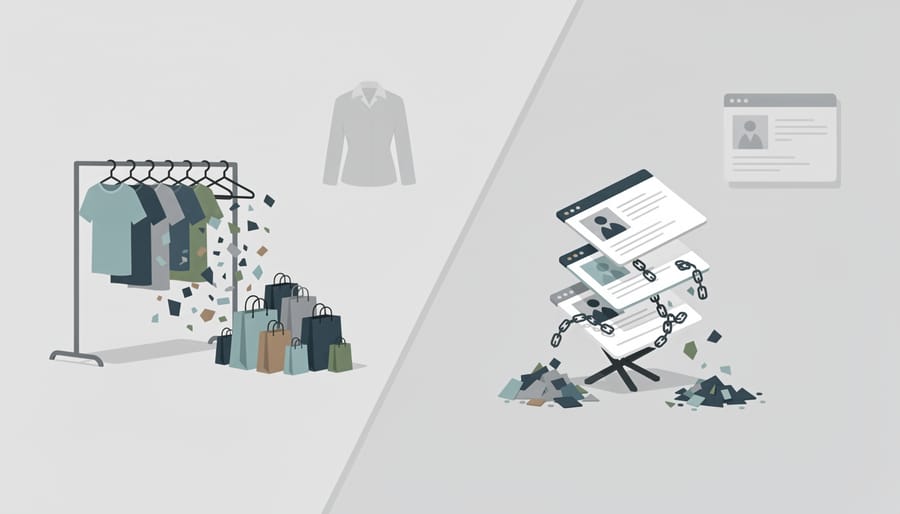
The Environmental Irony: Digital Waste and Server Resources
Here’s a sobering reality that often gets overlooked: Private Blog Networks create significant digital pollution. Every PBN website, even those sitting dormant or rarely updated, requires server space and consumes energy. These servers run 24/7, drawing electricity and generating heat that requires cooling systems, all contributing to carbon emissions.
Consider this: a typical PBN might consist of 10 to 50 websites, each hosted on separate servers to avoid detection. That’s potentially 50 websites consuming resources around the clock, yet providing minimal genuine value to readers. The data centers powering these sites require enormous amounts of electricity. According to recent estimates, data centers account for roughly 1% of global electricity use, and unnecessary websites contribute directly to this environmental burden.
For eco-conscious bloggers, this creates a fundamental contradiction. How can you advocate for sustainable choices while simultaneously operating a network that wastes digital resources? It’s the online equivalent of promoting zero-waste living while operating a landfill in your backyard.
The environmental cost extends beyond energy consumption. These shell websites require domain registrations, hosting services, and maintenance infrastructure—all resources that could support genuine environmental content instead. Every dollar and kilowatt-hour spent maintaining a deceptive PBN is a resource diverted from creating authentic, helpful content that could actually advance environmental awareness.
This digital wastefulness directly undermines the credibility and mission of any environmental blog, making PBNs particularly incompatible with green values.
The Real Risks PBNs Pose to Your Eco Blog

When Google Catches On: Penalty Case Studies
When Google discovers a PBN, the consequences are swift and severe. Let’s look at real examples that demonstrate why this risk isn’t worth taking, especially for eco bloggers working with limited time and resources.
In 2014, a network of travel blogs lost over 90% of their organic traffic overnight when Google identified their interconnected PBN structure. The sites had been ranking well for competitive keywords, but recovery took nearly two years of consistent, ethical content creation. For the small team behind these blogs, this meant lost income and having to rebuild trust from scratch.
A more recent case involved a home improvement blog network in 2019. Google not only penalized the main money sites but also deindexed many of the supporting PBN domains entirely. The owner spent eighteen months submitting reconsideration requests, removing manipulative links, and creating genuine content. Even after partial recovery, their rankings never returned to previous levels.
What makes these stories particularly relevant to eco bloggers is the resource demand. Recovery requires hiring SEO experts, creating substantial new content, conducting link audits, and potentially starting fresh domains. One environmental nonprofit saw their educational blog penalized for unknowingly purchasing a domain with PBN history. They spent six months and several thousand dollars trying to clean up the previous owner’s mistakes.
For sustainability-focused creators already balancing limited budgets with mission-driven work, these penalties can be devastating. The time spent recovering could have been invested in authentic community building, creating valuable content, or forming genuine partnerships with other environmental advocates. Google’s algorithms have become increasingly sophisticated at detecting PBN patterns, making the risk higher than ever before.
Sustainable Alternatives That Actually Build Authority
Content That Naturally Attracts Links
Creating content that earns links naturally is the cornerstone of ethical SEO for eco blogs. Instead of manipulating search rankings through networks, focus on becoming a genuinely valuable resource that others want to cite.
Start by conducting original research that fills gaps in sustainability knowledge. Survey your local community about composting habits, test different eco-friendly products, or track your own waste reduction journey with real data. These unique insights can’t be found elsewhere, making them link-worthy. For example, documenting a year-long experiment comparing various sustainable alternatives provides concrete evidence that educators and other bloggers will reference.
Local sustainability case studies offer another powerful approach. Interview small businesses in your area that have successfully implemented green practices, or profile community gardens that have transformed neighborhoods. These stories showcase real-world applications of environmental principles, and local organizations often share and link to coverage about their efforts. Such content aligns with authentic long-term practices that resonate with readers seeking genuine solutions.
Comprehensive how-to guides also attract natural links when they solve specific problems. Create detailed tutorials with step-by-step photos, measurements, and troubleshooting tips. Whether it’s building a rain barrel, starting a vermicompost system, or conducting a home energy audit, thorough practical sustainability guides become go-to resources that educators, students, and other bloggers bookmark and share.
The key is creating content so helpful and unique that linking to it becomes the obvious choice. When you invest time in quality research and storytelling, you build authority that aligns with environmental values while achieving sustainable traffic growth.
Building a Network the Ethical Way
Building authentic connections within the sustainability community offers far more value than any shortcut strategy. Start by genuinely engaging with other eco-bloggers’ content—leave thoughtful comments, share their posts, and participate in meaningful conversations about environmental issues. This organic approach builds real relationships that naturally lead to collaboration opportunities.
Reach out to environmental organizations whose missions align with yours. Many welcome guest contributions, partnership opportunities, or resource exchanges. For example, local conservation groups often need help communicating their work to broader audiences, while you gain credible backlinks and compelling stories to share.
Join sustainability-focused online communities, forums, and social media groups where professionals and advocates gather. Platforms like LinkedIn groups for environmental professionals or Facebook communities dedicated to zero-waste living provide networking opportunities with people who share your values. When you contribute helpful insights and resources, links happen naturally.
Consider creating valuable sustainability content that others genuinely want to reference. Original research, comprehensive guides, or unique case studies become link-worthy resources because they provide real value to readers and other content creators.
Host or participate in collaborative projects like blog carnivals, roundup posts featuring multiple experts, or joint webinars on environmental topics. These initiatives create mutual benefits and authentic link opportunities while strengthening the entire sustainability community. Remember, building a network takes time, but these genuine relationships provide lasting support, credibility, and growth for your blog while staying true to your environmental values.

Here’s the truth: using a PBN to boost your eco blog contradicts everything the sustainability movement stands for. We advocate for transparency, authenticity, and building systems that benefit everyone long-term, not just ourselves in the short term. When we talk about circular economies, reducing waste, and choosing quality over quick fixes, we’re describing values that should extend to how we build our online presence too.
Think about it this way: would you promote a company that greenwashes its products while claiming environmental leadership? Probably not. Using a PBN is essentially the digital equivalent of greenwashing. You’re presenting an artificial facade of authority to search engines while knowing the foundation isn’t genuine.
The environmental community thrives on trust. Your readers come to you for honest guidance on living more sustainably. They’re making real changes in their lives based on content they believe in. Building your blog through authentic means, even when it takes longer, demonstrates the same patience and commitment you ask of them when encouraging lifestyle changes.
Yes, growing an eco blog organically requires time and consistent effort. You’ll spend months creating quality content, engaging with your community, and earning genuine backlinks. But this approach builds something resilient and valuable, much like planting a tree instead of buying plastic flowers. The roots go deep, the growth is real, and the impact lasts. Your audience deserves that authenticity, and so does the planet you’re working to protect.