Green Upgrades That Help You Sell Your Inherited Home Faster
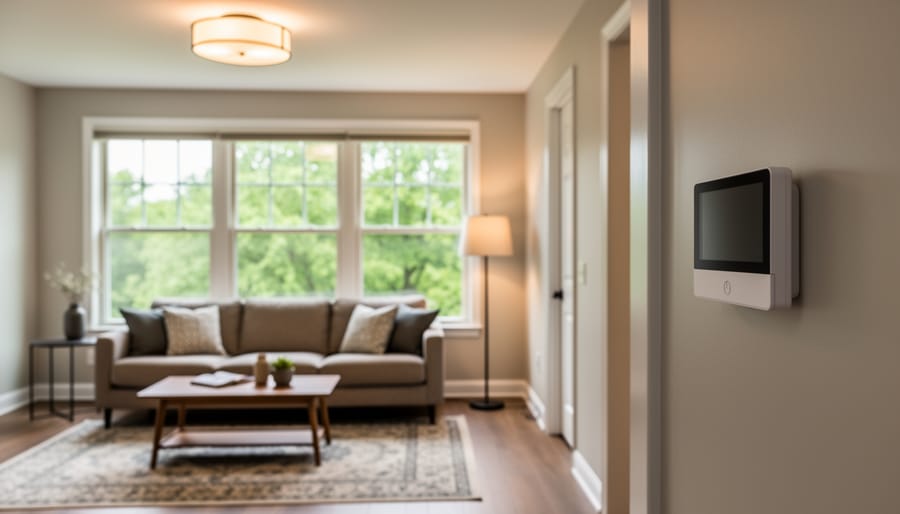
When you sell inherited house properties, strategic energy-efficient upgrades can significantly boost market appeal without draining your resources. Replace outdated incandescent bulbs with LED lighting throughout the home—this simple $50-100 investment immediately signals to buyers that operating costs will be lower. Install a programmable thermostat for $75-150, which potential buyers recognize as instant savings on heating and cooling bills. Seal air leaks around windows, doors, and electrical outlets using weatherstripping and caulk, a weekend project costing under $100 that can reduce energy loss by up to 20 percent.
These improvements serve dual purposes for executors and beneficiaries managing estate properties. First, they make the home more competitive in today’s market where energy efficiency ranks among buyers’ top priorities, particularly among younger purchasers who value sustainability. Second, they demonstrate responsible stewardship while reducing environmental impact—a consideration that resonates with Pennsylvania’s growing green-conscious community.
The key is avoiding over-investment. You’re not renovating for long-term residence; you’re enhancing marketability. Focus on visible, verifiable improvements that appraisers and home inspectors will note in their reports. Energy-efficient upgrades typically return 50-100 percent of their cost at sale while shortening time on market by highlighting move-in readiness.
Pennsylvania offers specific advantages for inherited property sellers, including utility rebate programs and energy audit resources that can offset improvement costs. Understanding which upgrades deliver maximum return requires assessing your property’s current condition, local market expectations, and buyer demographics. The right improvements transform an inherited property from an overwhelming responsibility into an attractive, competitive listing that honors both fiscal prudence and environmental responsibility.
Why Energy Efficiency Matters to Today’s Homebuyers
Today’s homebuyers are increasingly prioritizing energy efficiency when searching for their next property, making green improvements a smart investment for selling an inherited home. Recent market research shows that nearly 70% of homebuyers consider energy-efficient features important or extremely important in their purchasing decisions, a significant shift from just a decade ago.
The reasons behind this trend are both practical and values-driven. Rising utility costs have made energy bills a major consideration for households managing tight budgets. Buyers recognize that an energy-efficient home translates directly into lower monthly expenses, often saving hundreds of dollars annually on heating, cooling, and electricity. This financial benefit makes properties with green features more attractive, especially to first-time buyers and young families watching their spending carefully.
Environmental awareness also plays a crucial role in buyer preferences. Millennials and Gen Z homebuyers, who now represent a substantial portion of the market, frequently cite sustainability as a key factor in their home search. These buyers want to reduce their carbon footprint and contribute to environmental solutions through everyday choices, including where they live.
The market data supports these trends with compelling numbers. Homes with energy-efficient improvements typically sell 20% faster than comparable properties without green features. Additionally, studies demonstrate that solar panels increase home value by an average of 4%, while other efficiency upgrades like modern HVAC systems and improved insulation can boost property values by 2-6%.
For sellers of inherited homes, this represents a valuable opportunity. By making strategic energy-efficient improvements, you can tap into this growing market demand, differentiate your property from competing listings, and potentially achieve both a faster sale and higher selling price. These upgrades demonstrate that the home is move-in ready and positioned for lower ongoing costs, addressing two primary concerns for today’s conscientious buyers.
Assessing Your Inherited Home’s Current Energy Performance
DIY Energy Assessment Basics
Before investing in professional assessments, you can conduct a simple DIY energy audit that reveals major efficiency issues in your inherited home. Start with the dollar bill test: close exterior doors and windows on a dollar bill—if you can easily pull it out, you’ve found an air leak that’s costing energy and money.
On a windy day, hold a lit incense stick near window frames, door edges, electrical outlets, and baseboards. Smoke that wavers or blows horizontally indicates air leakage points that need sealing. Check your attic insulation by measuring its depth—most Pennsylvania homes need at least 10-12 inches of fiberglass insulation for adequate thermal protection.
Examine your HVAC system’s age and filter condition. Systems over 15 years old typically waste significant energy compared to modern alternatives. Look for yellow Energy Guide labels on appliances like refrigerators and water heaters to identify inefficient models that may turn off potential buyers.
Walk through the home feeling for temperature variations between rooms, which signal insulation problems or ductwork issues. Inspect windows for condensation between panes—a clear sign of failed seals. These simple assessments help you prioritize which improvements will deliver the best return when selling, allowing you to create a targeted improvement plan without expensive professional evaluations.
When to Call in a Professional Energy Auditor
While DIY assessments provide a solid starting point, certain situations call for professional expertise. Consider hiring a certified energy auditor if your inherited home is older than 30 years, has visible moisture issues, inconsistent temperatures between rooms, or exceptionally high utility bills from previous occupants. These warning signs often indicate complex problems that require specialized equipment to diagnose properly.
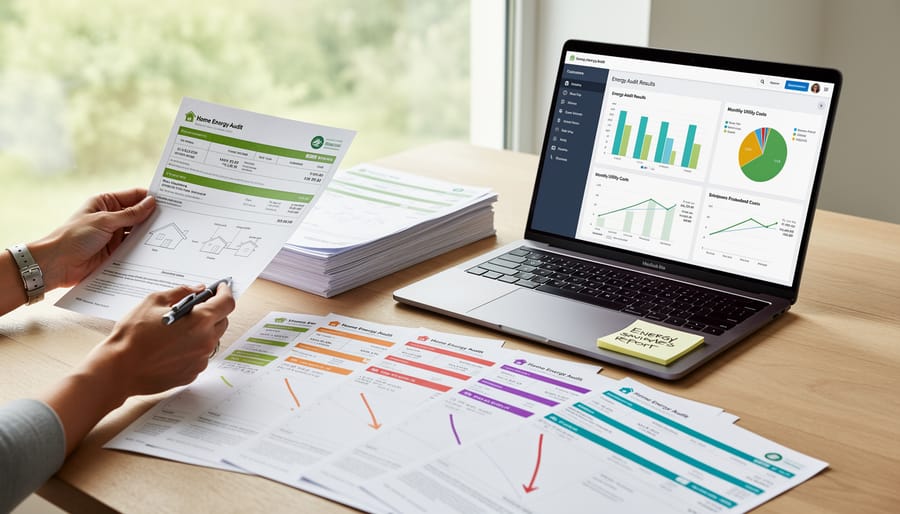
A comprehensive energy audit typically costs between $300-$500 and includes blower door tests to detect air leaks, thermal imaging cameras to identify insulation gaps, and combustion safety testing for heating systems. The auditor will provide a detailed report prioritizing improvements based on cost-effectiveness and potential return on investment. Many Pennsylvania utility companies offer subsidized or even free audits for eligible homeowners, making this professional service surprisingly affordable. This investment becomes especially worthwhile when you’re uncertain about which upgrades will genuinely appeal to environmentally conscious buyers and deliver the best selling advantage for your inherited property.
High-Impact, Budget-Friendly Energy Upgrades
Sealing and Insulation: Your Best First Step
Before investing in solar panels or high-efficiency appliances, start with the improvements that deliver the biggest bang for your buck: sealing air leaks and upgrading insulation. These foundational upgrades can reduce heating and cooling costs by 15-30%, making them incredibly attractive to potential buyers who increasingly prioritize ongoing utility expenses when evaluating homes.
Weatherstripping around doors and windows is remarkably affordable, often costing less than $100 for an entire home. Fresh caulking around window frames, baseboards, and exterior penetrations creates an immediate visual impression of a well-maintained property. During home inspections, buyers and their inspectors notice these details, signaling that the home has been properly cared for.
Attic insulation deserves special attention in Pennsylvania’s climate, where cold winters and humid summers strain heating and cooling systems. Many older homes have inadequate or settled insulation. Adding blown-in cellulose or fiberglass batts to achieve R-38 to R-49 values typically costs between $1,500 and $3,000, but the energy savings become apparent in the first utility bill.
These improvements shine during energy audits or inspections. When buyers review disclosure documents showing lower utility costs, sealed ductwork, and proper insulation levels, they feel confident they’re purchasing a home that won’t drain their budget through inefficiency. Best of all, these upgrades require minimal disruption and can usually be completed within a few days, making them perfect first steps for preparing an inherited property.
LED Lighting and Smart Thermostats
Small changes can make a big impression on potential buyers while keeping your investment minimal. Replacing outdated incandescent bulbs with LED lighting throughout the home costs surprisingly little but signals immediate energy savings. LEDs use approximately 75% less energy than traditional bulbs and last up to 25 times longer, which means new homeowners won’t face replacement costs for years.
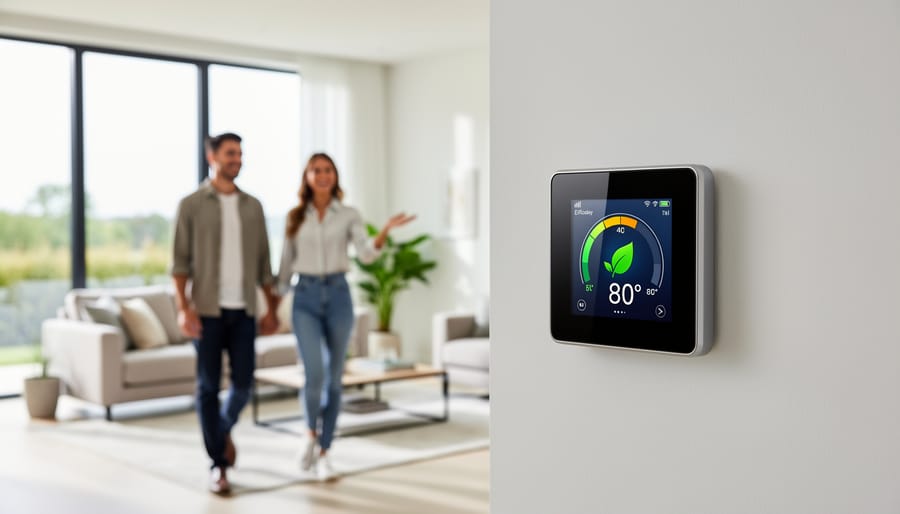
A programmable or smart thermostat represents another affordable upgrade that modernizes your inherited property. These devices, which typically cost between $100-250 installed, allow homeowners to optimize heating and cooling schedules automatically. According to the U.S. Department of Energy, proper thermostat use can save up to 10% annually on heating and cooling costs.
When selecting a smart thermostat, choose models compatible with your home’s existing HVAC system. Popular options like Nest or Ecobee offer user-friendly interfaces that appeal to tech-savvy buyers while demonstrating your commitment to sustainable home features. During showings, point out these upgrades explicitly. Many buyers appreciate knowing they’re purchasing a home where energy-conscious improvements have already been made, eliminating the need for immediate updates and reducing their environmental footprint from day one.
Water-Saving Fixtures and Low-Flow Solutions
Upgrading to water-saving fixtures represents one of the most cost-effective improvements you can make to an inherited property. These updates appeal to environmentally conscious buyers while demonstrating lower ongoing utility costs, a compelling selling point in today’s market.
Start with low-flow showerheads and faucet aerators, which typically cost under $50 per fixture and can be installed without professional help. These simple additions reduce water flow by 30-50% without sacrificing pressure, translating to noticeable savings on water and heating bills. WaterSense-labeled products, certified by the EPA, guarantee performance standards that buyers trust.
In the bathroom, consider replacing outdated toilets with dual-flush or low-flow models that use just 1.28 gallons per flush compared to older toilets using 3.5 gallons or more. While this requires a larger upfront investment of $150-400, it’s a visible upgrade that signals modern efficiency.
Kitchen faucets with flow restrictors or touchless sensors add both water savings and contemporary appeal. Many Pennsylvania municipalities offer rebates for water-efficient fixture installations, reducing your out-of-pocket costs. Check with local water authorities about available programs before purchasing. These practical improvements demonstrate your commitment to responsible home maintenance while addressing buyers’ desires for move-in-ready, sustainable features.
Mid-Range Improvements Worth Considering
Energy-Efficient Windows and Doors
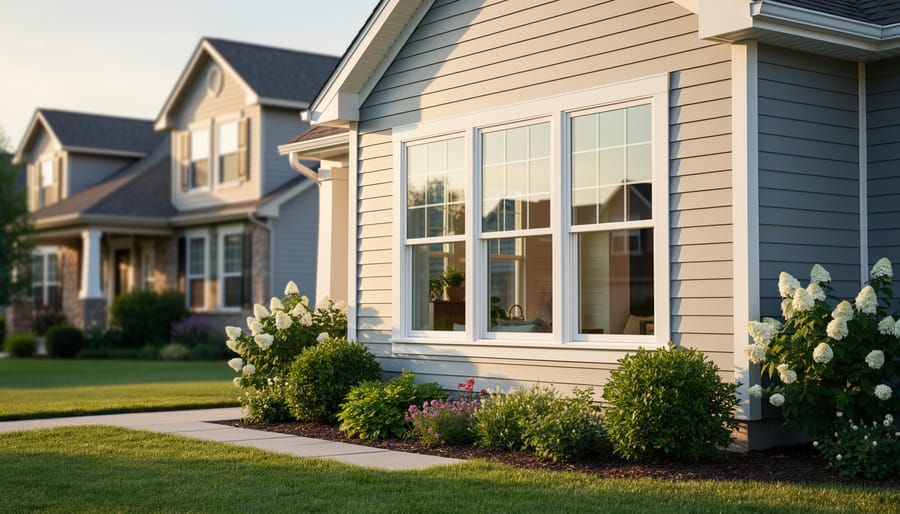
Replacing old windows and doors isn’t always necessary, but it makes financial sense when existing ones are damaged, single-paned, or visibly deteriorating. These upgrades deliver impressive returns: ENERGY STAR-certified windows can reduce heating and cooling costs by 12-15% annually, a compelling selling point for energy-conscious buyers.
New windows also dramatically improve curb appeal, which matters when you’re trying to move an inherited property quickly. Fresh, clean frames signal that the home has been well-maintained, while outdated or foggy windows suggest deferred maintenance.
When evaluating replacement, look for condensation between panes, difficulty opening or closing, drafts, and rotting frames. If only a few windows show problems, selective replacement targets the worst offenders without breaking your budget.
For Pennsylvania homeowners, vinyl or fiberglass frames perform well in our climate extremes, requiring minimal maintenance compared to wood. Double-pane windows with low-E coatings block heat transfer while allowing natural light, keeping homes comfortable year-round.
Installation quality matters as much as the product itself. Even premium windows underperform when improperly installed, so hiring certified contractors ensures you’ll actually achieve those energy savings. Consider this upgrade when you need visible transformation that pays measurable dividends in comfort, utility costs, and buyer interest.
HVAC System Updates
When evaluating an inherited home’s HVAC system, you’ll need to determine whether a repair or full replacement makes financial and environmental sense. Start by having a qualified technician inspect the existing equipment. Systems over 15 years old typically operate far less efficiently than modern alternatives, even if they’re still functioning. If you’re facing repair costs exceeding 50% of a replacement’s price, investing in new equipment becomes the smarter choice.
ENERGY STAR certified heating and cooling systems use significantly less energy than standard models, reducing utility bills by up to 20%. These systems not only appeal to environmentally conscious buyers but also demonstrate long-term value. When marketing your inherited property, you can highlight these upgrades as both cost-saving features and sustainability improvements.
Consider the timing of your investment carefully. If the current system works adequately and you’re selling quickly, a professional tune-up and filter replacement might suffice. However, if you’re in a competitive market or the system shows signs of failing, replacement prevents deal-breaking issues during home inspections.
Pennsylvania homeowners can access rebates through utility providers for ENERGY STAR equipment installations, offsetting upfront costs. These incentives make upgrades more affordable while positioning your property as move-in ready. Documentation of new installations, including warranty information and efficiency ratings, provides tangible proof of value that resonates with today’s informed buyers seeking responsible homeownership.
Pennsylvania-Specific Considerations and Incentives
Pennsylvania homeowners benefit from several valuable programs that can reduce the upfront costs of energy-efficient improvements while making inherited properties more attractive to buyers.
The Pennsylvania Energy Development Authority (PEDA) offers grants and loans for renewable energy installations and energy-efficient upgrades. Additionally, many Pennsylvania utility companies provide rebates through their Act 129 energy efficiency programs. For example, PECO, Duquesne Light, and PPL Electric offer cash incentives for qualifying improvements like high-efficiency HVAC systems, insulation upgrades, and ENERGY STAR appliances. These rebates can offset 10-30% of project costs, making upgrades more financially feasible for estate executors working within tight budgets.
The federal Residential Clean Energy Credit also applies to Pennsylvania properties, providing a 30% tax credit for solar panel installations, geothermal heat pumps, and solar water heaters through 2032. While this benefit may transfer to the new homeowner rather than the seller, advertising that the home qualifies for these credits adds significant marketing appeal.
Pennsylvania’s climate presents specific opportunities for energy efficiency. Cold winters mean that energy-efficient heating solutions deliver substantial utility savings, a strong selling point for potential buyers. Focus on sealing air leaks around windows and doors, adding attic insulation to R-49 levels, and upgrading to programmable thermostats. In older Pennsylvania homes common in Philadelphia, Pittsburgh, and surrounding areas, addressing drafty windows and outdated heating systems often yields the highest return on investment.
Local sustainability advocates recommend prioritizing improvements that address Pennsylvania’s humid summers and freezing winters. Proper ventilation prevents moisture problems while efficient HVAC systems handle seasonal temperature swings. These region-specific upgrades demonstrate thoughtful stewardship while positioning the inherited property competitively in today’s environmentally conscious real estate market.
Marketing Your Green Improvements to Buyers
Once you’ve invested in energy-efficient improvements, it’s essential to showcase these upgrades strategically to attract the right buyers. Today’s homebuyers increasingly value sustainability, and properly marketing your green improvements can significantly impact your sale timeline and final offer.
Start by gathering comprehensive documentation. Collect receipts, warranty information, and energy audit reports that verify your improvements. If you installed new systems, obtain documentation showing before-and-after energy usage comparisons. For major upgrades like new HVAC systems or insulation, manufacturer specifications demonstrating efficiency ratings provide concrete proof of value. When discussing solar panel costs in Pennsylvania, having installation records and projected savings calculations readily available helps buyers understand the investment’s worth.
Feature your energy upgrades prominently in listing descriptions and photos. Use specific language like “new ENERGY STAR certified appliances” or “programmable smart thermostat reducing heating costs by 15%” rather than vague terms. Include utility bills from recent months to demonstrate actual savings, and calculate estimated annual cost reductions for potential buyers.
Consider creating a simple fact sheet highlighting key improvements, their environmental benefits, and estimated monthly savings. This tangible document gives buyers something to reference during decision-making. Professional photography showcasing solar panels, new windows, or modern thermostats reinforces your commitment to energy efficiency.
Finally, work with your real estate agent to reach environmentally conscious buyers through green home listing services and sustainability-focused marketing channels. These targeted approaches connect your improved property with buyers who truly value and understand the long-term benefits of energy-efficient living.
Real-World Success: A Pennsylvania Homeowner’s Story
When Maria Thompson inherited her late uncle’s 1970s ranch home in Lancaster County, Pennsylvania, she faced a common challenge: the property needed work before it could attract serious buyers. Rather than investing in cosmetic updates alone, Maria decided to focus on energy-efficient improvements that would appeal to environmentally conscious buyers while keeping costs reasonable.
Working with a local energy auditor, Maria discovered the home was losing significant heat through inadequate attic insulation and drafty windows. She prioritized three strategic upgrades based on the audit recommendations. First, she added blown-in cellulose insulation to the attic, bringing it up to R-49—a project that cost $1,800. Second, she replaced the aging HVAC system with an Energy Star-certified heat pump, taking advantage of federal tax credits that reduced the $8,500 cost by $2,000. Finally, she invested $3,200 in air sealing and weatherstripping throughout the home.
The total investment came to approximately $11,500, but the results exceeded expectations. Maria listed the home with documentation showing potential energy savings of 35 percent compared to similar properties in the area. The house attracted multiple offers within two weeks—unusual for a home that had initially sat on the market for three months before the improvements.
The final sale price came in $18,000 higher than the original listing price, and the winning buyers specifically mentioned the energy upgrades as a deciding factor. They appreciated having verifiable data about the home’s efficiency and knew they wouldn’t face immediate expensive repairs or high utility bills. For Maria, the experience proved that strategic, energy-focused improvements could transform an inherited property from a burden into a successful, sustainable sale.
Preparing an inherited home for sale offers a meaningful opportunity to honor both your environmental values and your financial goals. Energy-efficient improvements aren’t just about attracting buyers—they’re investments in a healthier planet that create tangible benefits for everyone involved. Even modest upgrades like LED lighting, improved insulation, or a programmable thermostat can differentiate your property in today’s market while reducing its carbon footprint.
The beauty of green improvements lies in their flexibility. You don’t need to commit to a complete solar installation or extensive renovations to make an impact. Start with an energy audit to identify the most cost-effective changes, then prioritize based on your timeline and budget. Small steps matter. Weatherstripping doors, adding insulation to the attic, or replacing old appliances with Energy Star models all contribute to sustainability while making your home more appealing to environmentally conscious buyers.
Remember that Pennsylvania offers various incentives and rebate programs that can offset upgrade costs, making these improvements more accessible than you might expect. By choosing energy-efficient enhancements, you’re not only preparing your inherited property for a successful sale—you’re participating in a larger movement toward responsible living. Every green upgrade, no matter how small, moves us closer to a sustainable future while helping you achieve your selling goals.