15 Sustainable Lifestyle Tips to Transform Your Daily Routine in 2026
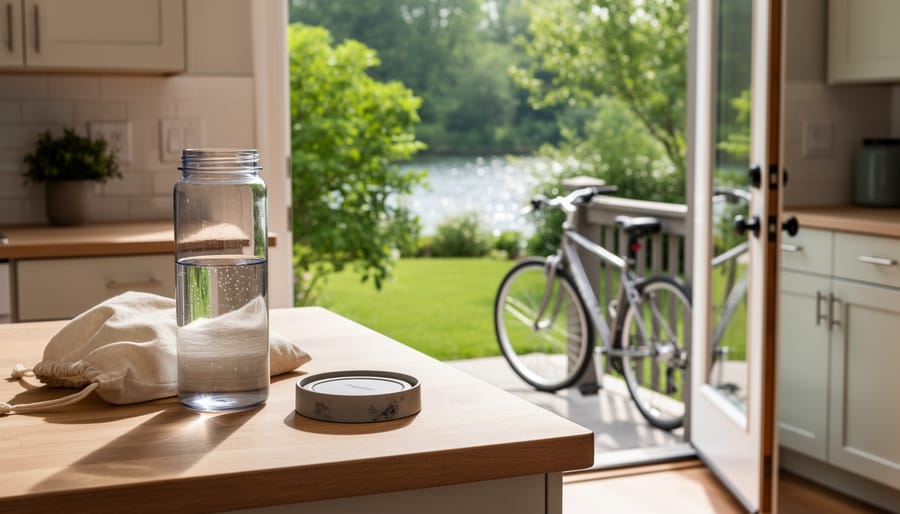
Living sustainably doesn’t require a complete overhaul of your daily routine. Small, intentional changes in how you consume, commute, and manage your home can cut your carbon footprint by 20 to 40 percent within the first year while often saving you money. The most effective approach combines reducing waste, choosing renewable resources, and supporting local systems that protect our wildlife and waterways.
The sustainability movement has reached a turning point in 2026. What once felt like a niche lifestyle choice has become mainstream, with more accessible options for every budget and living situation. You don’t need to install solar panels or buy an electric vehicle tomorrow. The fifteen tips ahead focus on changes you can start today, from the kitchen to the backyard, chosen specifically because they deliver measurable environmental benefits without requiring specialized knowledge or significant upfront investment.
These practices work because they target the areas where households generate the most waste and energy use: food systems, single-use products, water consumption, and transportation. We’ve consulted with Pennsylvania-based environmentalists and reviewed data from local sustainability initiatives to ensure each recommendation fits real-world constraints. Whether you rent an apartment in Philadelphia or own a home with a garden in the suburbs, you’ll find strategies that fit your circumstances and create lasting impact.
How We Selected These Sustainable Lifestyle Tips
We didn’t choose these 15 sustainable lifestyle tips at random. Each recommendation meets specific criteria designed to ensure you can actually implement them and see real results.
Our selection process focused on four key factors:
- Measurable environmental impact: Each tip reduces carbon emissions, conserves resources, or minimizes waste in quantifiable ways
- Accessibility for most households: Whether you rent an apartment in Philadelphia or own a home in rural Pennsylvania, these strategies work with your living situation
- Cost-effectiveness: Many tips save money over time, and none require major financial investment to start
- Scalability from beginner to advanced: You can start small and expand your efforts as sustainable living becomes second nature
We prioritized practical application over perfection. You won’t find advice requiring complete lifestyle overhauls or expensive renovations here. Instead, these tips represent achievable changes that fit into busy schedules and tight budgets. Some deliver immediate impact, like switching to reusable bags, while others build momentum over months, such as starting a compost system. The goal is progress, not perfection, with each tip offering a clear path from where you are now to a more sustainable routine.
15 Practical Sustainable Lifestyle Tips
1. Switch to Reusable Shopping Bags and Produce Bags
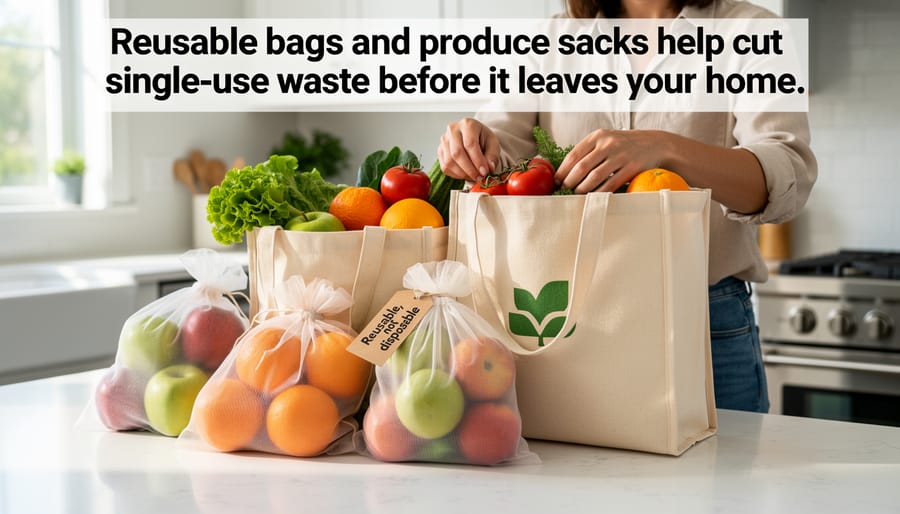
Switching to reusable bags is one of the easiest sustainable swaps you can make. Keep a set of sturdy cloth or recycled material bags in your car, by your front door, or in your daily bag so they’re always accessible when you shop. For produce, invest in lightweight mesh bags that let cashiers see contents without removing items.
The hardest part? Actually remembering to bring them. Try hooking bag handles over your car keys or setting a phone reminder before grocery trips. When bags get dirty, most cloth versions are machine-washable, just air dry them completely to prevent mildew. Mesh produce bags can go in a lingerie bag during washing to keep them from tangling.
A single reusable bag can replace hundreds of plastic bags over its lifetime, keeping petroleum-based waste out of landfills and waterways.
2. Start Composting Kitchen Scraps
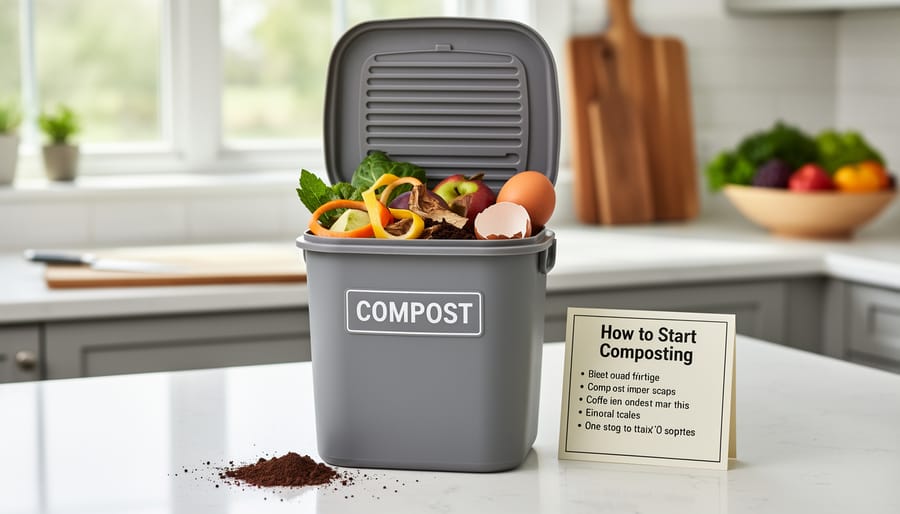
Composting transforms kitchen waste into nutrient-rich soil while diverting organic matter from landfills, where it would otherwise produce methane. Start with a simple setup: outdoor composters work well for yards, while countertop or under-sink bins suit apartments.
Add “green” materials like fruit and vegetable scraps, coffee grounds, tea bags, and crushed eggshells. Balance these with “brown” materials such as dry leaves, shredded newspaper, or cardboard. Avoid meat, dairy, oils, and pet waste, which attract pests and create odors.
Keep your pile moist but not soggy, and turn it weekly to speed decomposition. Within 2-4 months, you’ll have finished compost for gardens and houseplants. Pennsylvania residents can check local municipal programs that accept food scraps if home composting isn’t feasible. This simple practice reduces household waste by up to 30% while creating free fertilizer.
3. Reduce Food Waste Through Meal Planning
Planning your meals for the week cuts food waste dramatically and saves money. Start by checking what’s already in your fridge and pantry before shopping. Build meals around ingredients you have, then create a shopping list for only what you need.
Store produce properly to extend freshness: leafy greens in containers with paper towels, herbs in water like flowers, and ethylene-sensitive items away from bananas and apples. Label leftovers with dates and keep them front and center in your fridge.
Get creative with scraps: vegetable ends make excellent stock, stale bread becomes croutons or breadcrumbs, and overripe fruit transforms into smoothies or baked goods. Batch cooking on weekends lets you repurpose base ingredients into different meals throughout the week, reducing both waste and cooking time.
4. Choose Energy-Efficient Appliances
Older refrigerators, washing machines, and dishwashers drain far more electricity than necessary. When it’s time to replace an appliance, look for the ENERGY STAR label, these certified models use 10-50% less energy than standard versions. A new refrigerator might cost $800 versus $600 for a basic model, but ENERGY STAR energy savings typically recover that difference within three to five years through lower utility bills. Calculate your payback period by checking the yellow EnergyGuide label, which estimates annual operating costs. Prioritize replacements for appliances that run constantly, like refrigerators and water heaters, where efficiency gains compound daily.
5. Install a Programmable or Smart Thermostat
A programmable or smart thermostat can cut your heating and cooling costs by 10-23% annually while significantly reducing your carbon footprint. These devices automatically adjust your home’s temperature based on your schedule, so you’re not heating or cooling an empty house.
Set your thermostat to 68°F in winter when you’re home and awake, then lower it to 62-65°F at night or when you’re away. In summer, aim for 78°F when home and higher when out. Each degree of adjustment saves about 3% on energy bills.
Smart thermostats learn your patterns and can be controlled remotely through your phone. Many utility companies in Pennsylvania offer rebates on these devices, making them an affordable upgrade that pays for itself within two years through energy savings.

6. Support Local and Seasonal Food
Choosing local and seasonal food dramatically cuts the carbon footprint of your meals while strengthening your regional food system. When you buy from farmers markets or local producers, you’re purchasing food that traveled tens of miles instead of thousands, eliminating the refrigeration, packaging, and fuel required for long-distance shipping. Pennsylvania’s agricultural diversity makes this especially accessible, from berries in summer to root vegetables in winter.
Seasonal eating also means produce is harvested at peak ripeness rather than picked early for transport, delivering better flavor and nutrition. Your dollars directly support nearby farms, keeping agricultural land in production and preserving green space. Start by visiting one farmers market monthly, then gradually shift more grocery spending local. Many farms offer CSA boxes with weekly seasonal produce, making the transition effortless while connecting you to the rhythms of regional growing seasons.
7. Reduce Water Usage with Simple Fixes
Americans use an average of 82 gallons of water per person daily, yet simple fixes can cut household water consumption by 20-30% without sacrificing comfort. Start by installing low-flow showerheads and faucet aerators, they cost under $20 each and reduce flow while maintaining pressure through air injection technology. Fix leaky faucets and toilets immediately; a slow drip wastes up to 3,000 gallons yearly. Check for toilet leaks by adding food coloring to the tank, if color appears in the bowl without flushing, you need a new flapper valve. Adopt mindful habits like turning off taps while brushing teeth, taking five-minute showers instead of ten, and running dishwashers and washing machines only with full loads. In Pennsylvania’s hot summers, water outdoor plants during cooler morning hours to minimize evaporation.
8. Switch to LED Light Bulbs Throughout Your Home
Switching to LED bulbs is one of the fastest ways to cut your electricity bill and reduce carbon emissions. LEDs use up to 75% less energy than traditional incandescent bulbs and LEDs last 25,000+ hours compared to just 1,000 hours for incandescents. That translates to years before you need a replacement. Start by swapping out bulbs in your most-used rooms, kitchen, living room, bathrooms, then work through the rest of the house as old bulbs burn out. When disposing of old CFLs, take them to a hardware store or recycling center that accepts them, since they contain small amounts of mercury. LED bulbs themselves can go in regular trash, though some retailers offer recycling programs.
9. Buy Secondhand and Support Circular Economy
Buying secondhand items keeps products in circulation longer and dramatically reduces the environmental cost of manufacturing new goods. Thrift stores, consignment shops, and online marketplaces like Facebook Marketplace or Poshmark offer quality clothing, furniture, and household items at fraction of retail prices. The fashion industry alone generates 92 million tons of textile waste annually, so choosing pre-owned clothes directly counters this waste stream.
Organize clothing swaps with friends or neighbors to refresh your wardrobe without spending money. For electronics and appliances, certified refurbished products from manufacturers come with warranties and function like new while preventing perfectly good items from entering landfills. Pennsylvania has robust thrift networks including Goodwill locations and local consignment shops that make secondhand shopping convenient. Start by buying one category secondhand, perhaps books, home décor, or children’s clothing, then expand as you discover the quality and savings available.
10. Create a Small Home Garden or Herb Garden
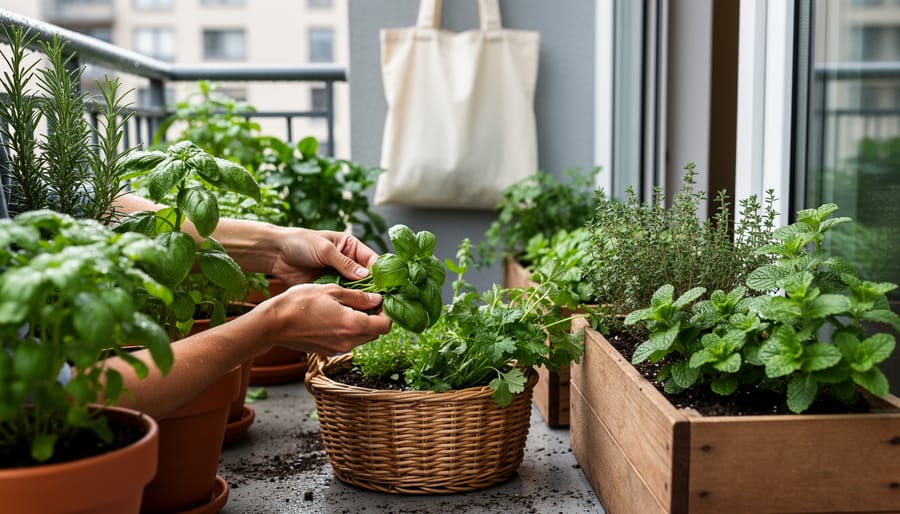
Starting a garden transforms your relationship with food while shrinking your carbon footprint. You don’t need acreage, a sunny windowsill, balcony, or small patio works perfectly for growing fresh herbs like basil, cilantro, and mint. These culinary staples thrive in containers and eliminate packaging waste from store-bought versions that often travel hundreds of miles.
If you have a bit more space, try compact vegetables like cherry tomatoes, lettuce, and peppers in raised beds or large pots. Choose native pollinator-friendly flowers such as black-eyed Susans or bee balm to support Pennsylvania’s declining bee populations while adding beauty to your space.
Home-grown produce requires no transportation, uses no plastic packaging, and tastes dramatically better than supermarket options. Start small with three herbs you actually use in cooking, success breeds confidence and expands naturally from there.
11. Choose Eco-Friendly Cleaning Products
Conventional cleaning products often contain harsh chemicals that harm aquatic ecosystems when washed down drains and contribute to indoor air pollution. Plant-based cleaners use biodegradable ingredients that break down naturally without leaving toxic residues. You’ll find effective eco-friendly options at most grocery stores now, marked with certifications like EPA Safer Choice or Green Seal.
Making your own cleaning solutions is even simpler and cheaper. Mix equal parts white vinegar and water in a spray bottle for an all-purpose cleaner that tackles countertops, glass, and bathroom surfaces. For scrubbing power, sprinkle baking soda on surfaces before wiping. Add a few drops of essential oil like lemon or tea tree for natural fragrance and antibacterial properties. A paste of baking soda and water removes stubborn stains and soap scum without scratching.
Keep castile soap on hand as a versatile base for dish soap, floor cleaner, and hand soap. These ingredients cost a fraction of commercial cleaners and eliminate plastic packaging waste when you refill the same bottles repeatedly.
12. Minimize Single-Use Plastics
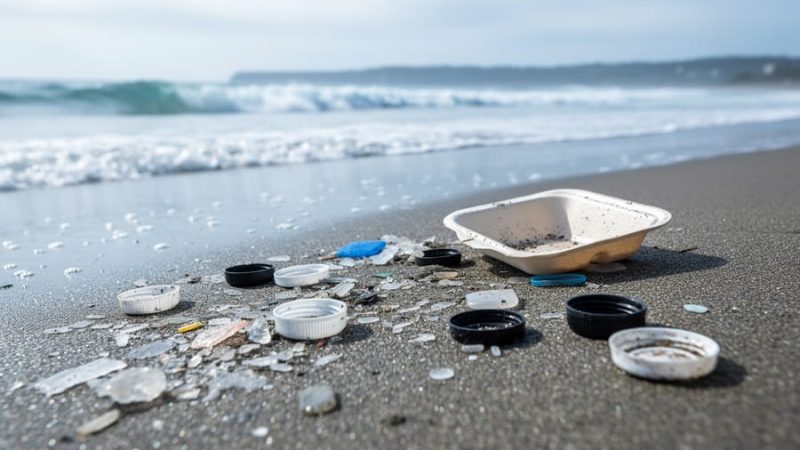
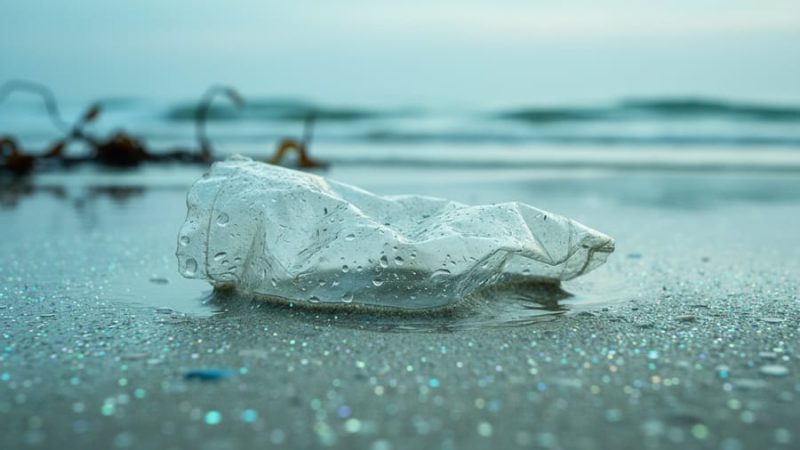
Single-use plastics accumulate faster than most people realize. Beyond ditching shopping bags, focus on the items you touch daily. Invest in a quality stainless steel or glass water bottle instead of buying bottled water, Pennsylvania residents alone discard millions of plastic bottles annually, contributing to the state’s plastic pollution impact. Swap disposable coffee cups for an insulated travel mug (many cafes offer discounts). Replace plastic food storage containers with glass or silicone alternatives that last years longer and won’t leach chemicals. Switch plastic wrap for beeswax wraps or silicone lids that seal over bowls. Pack lunches in reusable containers rather than disposable bags. Keep reusable utensils at your desk or in your car to avoid plastic cutlery when ordering takeout. These switches eliminate hundreds of plastic items per year from your household waste stream.
13. Practice Mindful Consumption and the 30-Day Rule
Before reaching for your wallet, pause and ask yourself one question: “Will I still want this in 30 days?” This simple delay transforms shopping from impulse to intention. The 30-day rule works like this: when you spot something you want to buy (but don’t immediately need), write it down with the date and revisit it a month later. You’ll discover that roughly 70% of those items no longer interest you, saving money while preventing unnecessary production and waste.
Start by identifying your impulse triggers. Do you shop when stressed, scroll through online stores out of boredom, or buy because something’s on sale? Once you recognize the pattern, you can interrupt it. Keep a running list on your phone of “maybe” purchases, then review it monthly. Most items will feel irrelevant by then, and the few that remain prove their value through persistent need.
This approach naturally extends to reducing consumption across categories. Every product not purchased means raw materials conserved, manufacturing emissions avoided, and less packaging that could eventually reduce littering in our communities. When you do buy, choose quality over quantity, items that last years rather than months, reducing the cycle of replacement and disposal that strains environmental resources.
14. Opt for Digital Over Paper When Possible
Switching to digital alternatives significantly reduces your paper consumption and clutter. Set up online billing and electronic statements for bank accounts, utilities, and credit cards, most companies offer incentives like fee waivers for going paperless. Subscribe to digital newspapers and magazines instead of print versions, which also eliminates delivery emissions. Replace physical books with e-readers when practical, though keeping some paper books is fine. Opt out of junk mail through services like and request digital receipts at stores. Cancel unwanted catalogs by contacting companies directly. These shifts reduce demand for paper production, which consumes water and energy while contributing to deforestation. You’ll also free up physical storage space and simplify document organization through cloud storage and digital filing systems.
15. Educate Yourself and Others About Sustainability
Knowledge multiplies impact. When you understand the environmental challenges we face and share that understanding, you transform personal action into collective change. Start by following reputable sources like your local conservation district, EPA updates, and science-based environmental organizations. Read beyond headlines, dig into the data about climate patterns, waste management innovations, and ecosystem health in your region.
Share what you learn conversationally. When someone compliments your reusable container, explain the plastic reduction benefits. When neighbors ask about your garden, mention pollinator decline and native plants. Join local environmental groups like the Pennsylvania Environmental Council or attend township sustainability meetings to connect with like-minded residents working on Pennsylvania solutions.
Most importantly, listen as much as you teach. Different people connect with different aspects of sustainability, some care about cost savings, others about wildlife, still others about health. Tailor your message to what resonates with each person rather than lecturing.
Making Sustainable Living Work for Your Lifestyle
Not every sustainable lifestyle tip will fit your current situation, and that’s completely fine. The key is choosing the changes that align with your living space, budget, and daily routines rather than forcing practices that create stress or financial strain.
If you live in an apartment, focus on tips that don’t require outdoor space or major installations. Composting can work with a small countertop bin, herb gardens thrive on sunny windowsills, and switching to LED bulbs or reducing single-use plastics requires no landlord approval. Renters can make significant impact through consumption choices, energy habits, and waste reduction without modifying the property itself.
Homeowners have more flexibility for investments like programmable thermostats or rainwater collection systems, but these upgrades should match your budget timeline. Start with free or low-cost changes first, then gradually add bigger investments as you see returns from initial efforts.
Budget constraints shouldn’t block sustainable living. Many tips actually save money: meal planning reduces grocery waste, LED bulbs cut electricity costs, buying secondhand stretches dollars further, and the 30-day rule prevents unnecessary spending. The most expensive option isn’t always the most sustainable, a well-maintained older appliance often beats rushing to replace it with a new efficient model.
Family size and composition matter too. Households with young children might prioritize non-toxic cleaning products and reducing plastic exposure, while empty nesters can experiment with zero-waste shopping or extensive home gardens. Get family members involved by letting each person choose one tip to champion, creating shared investment in the changes.
Begin with two or three tips that feel most manageable right now. Master those before adding more. This approach builds sustainable habits that stick rather than temporary enthusiasm that fades when everything feels like a chore.
Measuring Your Impact
Tracking your progress transforms abstract environmental goals into concrete achievements. Start by photographing your trash and recycling bins before pickup each week, the visual evidence of reduction becomes surprisingly motivating as bags shrink over months. Your utility bills offer another measurable indicator: compare monthly electricity, gas, and water usage to the same periods last year, noting percentage decreases as new habits take hold.
Free carbon footprint calculators from organizations like the EPA or Nature Conservancy let you input household data and visualize your impact in tons of CO2 saved. Run the calculator every three months to watch your numbers improve. Keep a simple spreadsheet or phone note tracking specific wins: pounds of food composted, number of meatless meals, gallons saved through shorter showers, or dollars spent at farmers markets versus chain stores. These tangible metrics validate your efforts and reveal which changes deliver the biggest results for your situation, helping you refine your approach and stay motivated through the long game of sustainable living.
Quick Recap: Your Sustainable Lifestyle Roadmap
You’ve covered a lot of ground with these 15 strategies, and the good news is you don’t need to tackle them all at once. Pick two or three tips that resonate with your current situation and build from there. Here’s your quick reference guide:
- Switch to reusable shopping and produce bags
- Start composting kitchen scraps
- Reduce food waste through meal planning
- Choose energy-efficient appliances
- Install a programmable or smart thermostat
- Support local and seasonal food
- Reduce water usage with simple fixes
- Switch to LED light bulbs
- Buy secondhand and support circular economy
- Create a small home garden or herb garden
- Choose eco-friendly cleaning products
- Minimize single-use plastics
- Practice mindful consumption and the 30-day rule
- Opt for digital over paper when possible
- Educate yourself and others about sustainability
Sustainable living is a journey, not a finish line. Some weeks you’ll make great progress; others you’ll maintain what you’ve already achieved. That’s perfectly fine. Every reusable bag used, every compost bin filled, and every LED bulb installed adds up. Your individual choices ripple outward, influencing friends, family, and your community while contributing to broader environmental protection. Start where you are, use what you have, and build your sustainable lifestyle one intentional choice at a time.
Common Questions About Sustainable Living
Is sustainable living really more expensive? Many people hesitate to adopt eco-friendly practices because they assume it’ll strain their budget. While some sustainable products carry higher upfront costs, think LED bulbs or reusable containers, most tips in this guide actually save money over time. Composting eliminates the need for chemical fertilizers, meal planning cuts grocery waste by 30-40%, and energy-efficient appliances reduce monthly utility bills. Starting with free or low-cost changes like reducing water usage, shopping secondhand, or implementing the 30-day rule before purchases often puts more money back in your pocket than it takes out.
The key is viewing sustainability as an investment rather than an expense. That programmable thermostat might cost $80 today, but it typically saves $180 annually on heating and cooling. Similarly, asking is plastic bad for the environment leads many to switch to a $15 reusable water bottle instead of spending $200 yearly on single-use bottles. Pennsylvania residents particularly benefit from state rebate programs for energy-efficient upgrades, further offsetting initial costs.
How long before I see real results from these changes?
You’ll notice financial savings within the first utility billing cycle after installing a smart thermostat or switching to LEDs. Environmental impact accumulates quickly too, composting just one year of kitchen scraps diverts roughly 300 pounds from landfills per person.
What if I live in an apartment without outdoor space?
Twelve of these fifteen tips work perfectly in apartments: indoor composting systems, reusable bags, meal planning, LED bulbs, digital billing, and countertop herb gardens all require minimal space. Focus on consumption changes rather than infrastructure modifications.
Can one person actually make a difference?
Individual actions create ripple effects, when neighbors see your garden or reusable bags, they often follow suit. Collectively, if every Pennsylvania household composted, we’d divert 2.5 million tons of organic waste annually from landfills.
Where should I start if this feels overwhelming?
Pick two tips that fit your current routine with zero lifestyle disruption, maybe switching to reusable bags and opting for paperless billing. Master those for 30 days, then add another tip.
Remember that sustainability isn’t about perfection. You don’t need to implement all fifteen tips simultaneously or feel guilty about occasional conveniences. Progress matters more than purity, and even adopting three or four of these practices puts you ahead of most households while creating measurable environmental benefits.