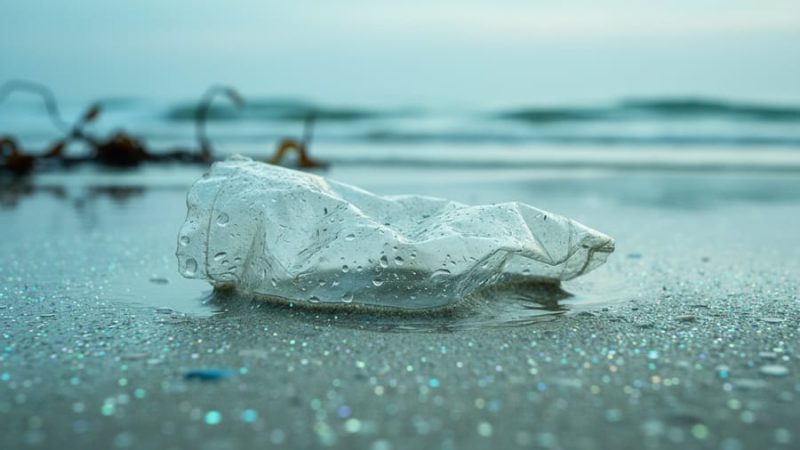
Does Plastic Cause Pollution? Understanding the Problem and What We Can Do
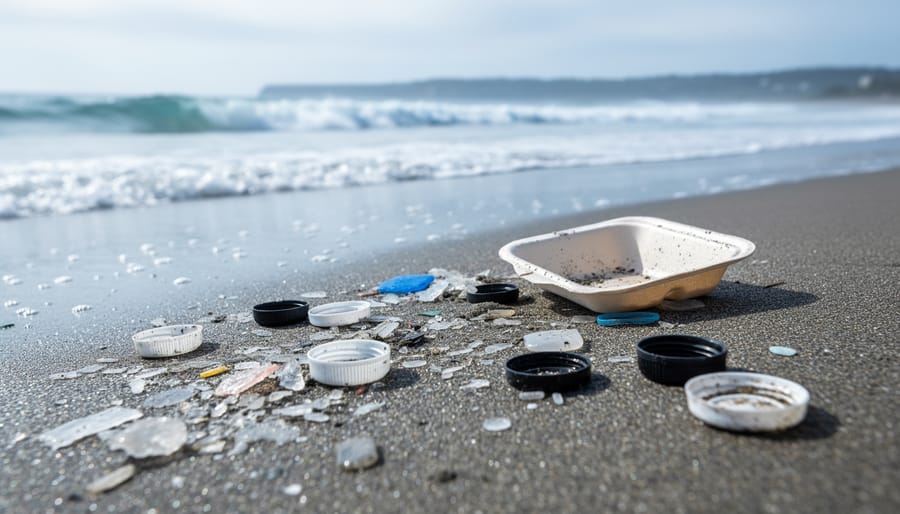
Yes, plastic causes pollution. The answer is unambiguous, backed by decades of research and visible evidence in every ocean, waterway, and ecosystem on Earth. The most common culprit? Single-use plastics like bottles, bags, and packaging that break down into microplastics but never fully disappear.
You can diagnose the scale of this problem by looking at any beach, river, or storm drain in your community. That water bottle cap, that foam takeout container, those plastic fragments mixed with soil weren’t there a century ago. They’re symptoms of a waste management system that can’t keep pace with the 460 million tons of plastic we produce globally each year, a figure that’s doubled since 2000.
Here’s the troubleshooting path ahead. We’ll walk through what plastic pollution actually looks like in 2026, from visible trash to invisible microplastics in drinking water. You’ll learn the root causes, why certain plastics create more harm than others, and which everyday habits feed the problem. Most importantly, you’ll discover step-by-step fixes you can implement today, whether you’re an individual trying to reduce your footprint or a Pennsylvania resident curious about Pennsylvania’s role in tackling this crisis at the state level.
The good news? Once you understand the mechanisms, prevention becomes straightforward. Small changes create measurable impact, and communities across the country are proving that reducing plastic pollution doesn’t require sacrifice. It requires better choices, supported by systems that make those choices easy.
Understanding the Pollution Problem: How Plastic Impacts Our Environment
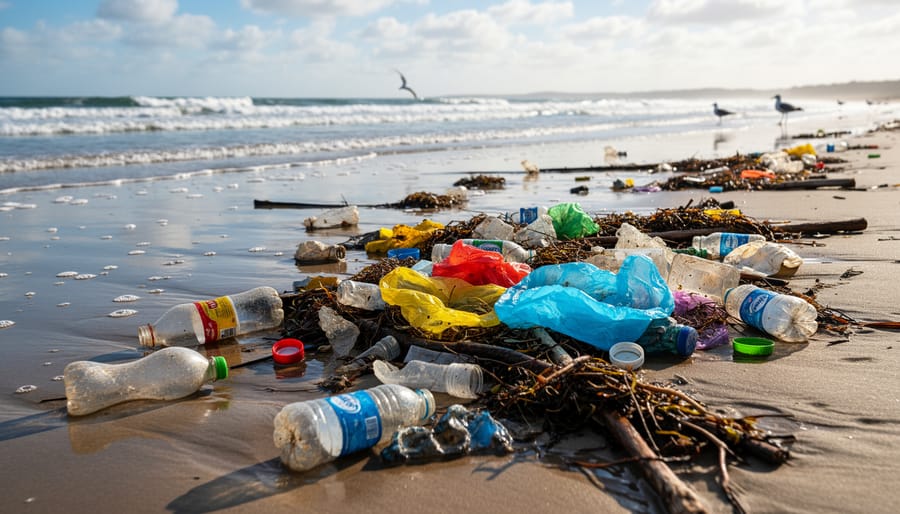
Walk along a Pennsylvania stream, and you’ll spot plastic bottles caught in the roots of trees, grocery bags draped across low-hanging branches, and foam cups wedged between rocks. Visit any beach worldwide, and you’ll find similar debris tangled in seaweed, half-buried in sand. This is plastic pollution in its most visible form, but it’s just the surface of a much larger problem.
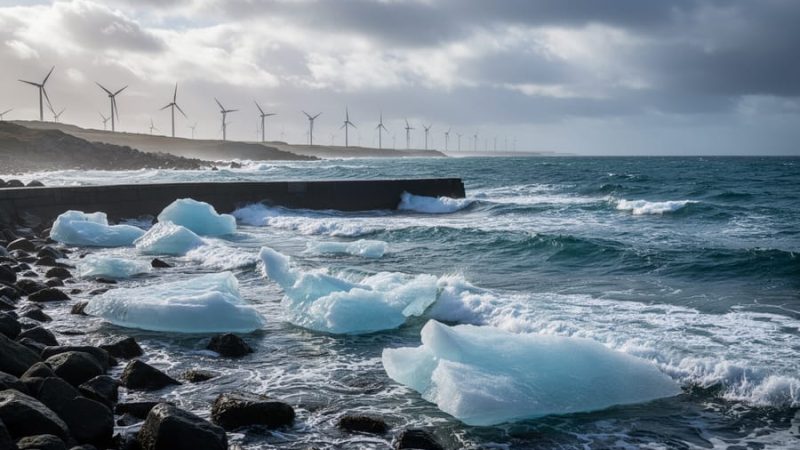
In our waterways, plastic doesn’t simply float on the surface. Rivers like the Susquehanna and the Allegheny carry plastic fragments downstream, where they accumulate in eddies and slow-moving sections. Fishing lines wrap around submerged logs, bottle caps settle into riverbeds, and microplastic particles drift invisibly through the water column. Ocean gyres concentrate this waste into massive patches, the largest spanning an area twice the size of Texas.
Landfills reveal the scale in a different way. Modern landfills contain layers upon layers of plastic waste that won’t decompose in our lifetimes. Drive past any Pennsylvania landfill, and the mounded hills represent decades of discarded plastic packaging, containers, and products. These sites are engineered to contain waste, yet windblown plastic still escapes fencing, littering surrounding fields and roads.
Urban streets and natural habitats show how thoroughly plastic has infiltrated every environment. City gutters collect straws, wrappers, and bottle caps that wash into storm drains with every rain. In forests and parks, hikers discover plastic waste miles from any road. Wildlife habitats contain plastic fragments that animals mistake for food or nesting material. Even remote wilderness areas aren’t immune; researchers find plastic debris in previously pristine locations, carried there by wind, water, and human activity.
The problem isn’t limited to large, recognizable pieces. As plastic breaks down under sunlight and physical stress, it fragments into smaller particles that spread farther and penetrate deeper into ecosystems, making cleanup increasingly difficult and the environmental impact more pervasive.
Why Plastic Causes Pollution: The Root Causes
Plastic Doesn’t Break Down Naturally
At the heart of plastic’s pollution problem lies a simple truth: it doesn’t disappear. Unlike organic matter, fallen leaves, food scraps, paper, that bacteria and fungi readily consume, plastic’s long chains of synthetic polymers resist natural decomposition. Plastic can persist for years with some types lasting centuries in the environment without breaking down into harmless components.
The difference between biodegradable and non-biodegradable materials comes down to chemistry. Biodegradable materials contain chemical bonds that microorganisms can break apart, returning nutrients to the soil. Most plastics, however, are non-biodegradable. They might fragment into smaller pieces through photodegradation, sunlight weakening the material, but the polymer molecules themselves remain intact.
- Biodegradable
- Materials that naturally decompose through microbial action, breaking down into water, carbon dioxide, and organic matter within a reasonable timeframe.
- Photodegradation
- The process by which UV radiation from sunlight breaks plastic into smaller fragments without actually decomposing the molecular structure.
- Microplastics
- Tiny plastic particles smaller than 5 millimeters that result from larger plastics breaking down or are manufactured at microscopic size.
- Nanoplastics
- Extremely small plastic particles (less than 0.001 millimeters) that can penetrate living cells and travel through biological systems.
This fragmentation process is part of how plastic pollution works what appears to vanish actually transforms into countless microscopic pieces. Microplastics from breakdown now contaminate soils, waterways, and even the air we breathe, making plastic pollution a persistent, pervasive threat rather than something that simply biodegrades away.
Mass Production and Single-Use Culture
The convenience economy has transformed plastic from a durable material into something we use for minutes and discard. Every day, we reach for items designed to be thrown away: plastic bags that serve us for 15 minutes but persist for 500 years, disposable coffee cups lined with plastic film that can’t be recycled, takeout containers that outlive the meal by centuries.
This single-use culture generates staggering waste. Americans throw away 100 billion plastic bags annually. Plastic straws, used for an average of 20 minutes, take 200 years to break down. Water bottles, which we finish in hours, remain in landfills for 450 years. Even seemingly eco-friendly options like compostable utensils require industrial composting facilities that many communities lack.
The problem isn’t just volume. It’s that we’ve normalized treating plastic as disposable when its chemistry guarantees permanence. Every plastic fork from a lunch order, every produce bag from the grocery store, every disposable razor adds to accumulation that far outlasts our need for convenience. The mismatch between how briefly we use these items and how long they pollute creates a growing environmental debt we’re passing to future generations.
Inadequate Waste Management Systems
Pennsylvania throws away roughly 10 million tons of waste yearly, yet only about one-third gets recycled. The rest, including mountains of plastic, heads to landfills or worse, into the environment. This waste management gap creates a direct pipeline for plastic pollution.
Most communities lack the infrastructure to handle the variety of plastics we produce. While your milk jug might be recyclable, the film wrap around it probably isn’t accepted curbside. Pennsylvania’s single-stream recycling system, designed for convenience, actually increases contamination rates. When non-recyclable plastics mix with proper recyclables, entire batches get rejected and landfilled.
The problem deepens in rural areas where collection services are sparse or nonexistent. Residents face long drives to drop-off centers, making illegal dumping or burning more tempting options. Both release plastics directly into soil and waterways.
We also lack a circular economy model, systems where materials cycle back into production rather than becoming waste. Currently, only 9% of plastic ever produced has been recycled. The rest accumulates because we’ve built a linear “take-make-dispose” system with no endpoint plan. Without redesigning how we collect, sort, and reuse plastic, even well-intentioned recycling efforts can’t keep pace with production.
Toxic Chemical Leaching
Plastic isn’t just a physical pollutant, it’s a chemical one. As plastic items break down through exposure to sunlight, heat, and weathering, they leach toxic additives into surrounding environments. Common culprits include bisphenol A (BPA), used to harden plastics, and phthalates, which make materials flexible. These chemicals seep into soil, contaminating crops and groundwater, and dissolve into rivers and oceans.
Wildlife face serious consequences. Fish absorb these toxins through their skin and gills, disrupting their hormonal systems and reproductive capabilities. Birds and mammals consuming contaminated prey accumulate these chemicals in their tissues. For humans, the risk comes full circle: we ingest these substances through drinking water, seafood, and produce grown in contaminated soil. Research links BPA and phthalates to hormone disruption, developmental issues in children, and potential cancer risks. The invisible chemical threat of plastic pollution extends far beyond what we can see littering our landscapes.
The Environmental and Health Impacts: What Happens When Plastic Pollutes
Impact on Marine Life and Waterways
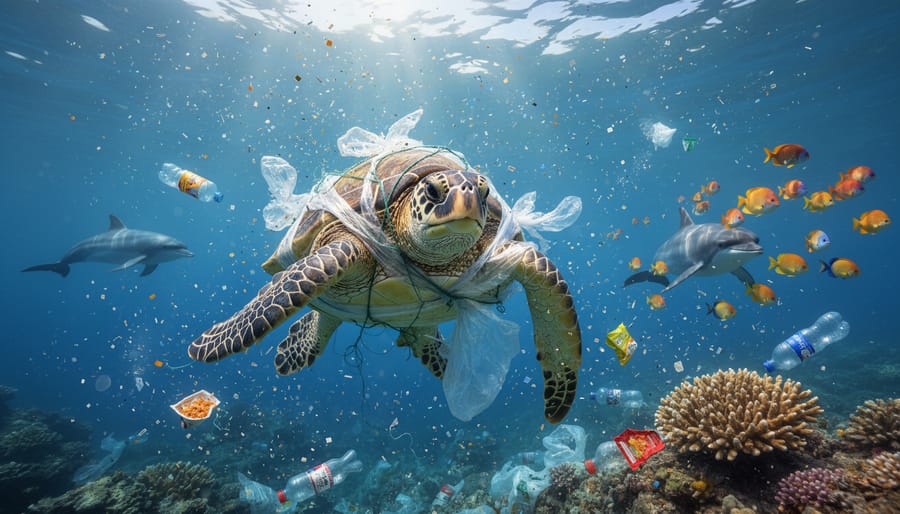
When plastic enters waterways, the consequences ripple through entire aquatic food chains. In oceans, massive accumulations like the Great Pacific Garbage Patch trap and poison marine life daily. Sea turtles mistake floating bags for jellyfish, while seabirds feed bottle caps to their chicks. Fish consume microplastic particles that absorb toxic chemicals, concentrating pollutants as they move up the food web.
Even Pennsylvania’s inland waters face these threats. Plastic debris from urban runoff clogs the Susquehanna, Delaware, and Allegheny rivers, harming freshwater species like river otters and migratory birds. Discarded fishing line entangles waterfowl, and bottle fragments accumulate in stream beds where aquatic insects and fish fry develop. The way littering impacts wildlife extends beyond visible trash, microplastics now appear in Pennsylvania river sediments, entering the food chain at its foundation. These contaminated waterways eventually feed into the Chesapeake Bay, amplifying plastic’s reach across regional ecosystems.
Effects on Terrestrial Ecosystems and Wildlife
Plastic pollution isn’t confined to our oceans, it’s quietly transforming the land around us. When plastic waste accumulates in soil, it blocks water absorption and nutrient flow, essentially suffocating the ground beneath our feet. Microplastics alter soil chemistry, reducing its ability to support plant growth and disrupting the microorganisms that keep ecosystems healthy.
Land animals face dangers similar to their marine counterparts. Deer, birds, and smaller mammals often mistake plastic bags and wrappers for food. Ingesting these materials can cause internal blockages, starvation, and death. Animals also become entangled in plastic debris, discarded fishing line, six-pack rings, and packaging straps trap wildlife, restricting movement and causing injury.
Natural habitats suffer cascading effects. As plastic fragments accumulate in forests, wetlands, and grasslands, they alter the physical structure of these environments. Pennsylvania’s diverse ecosystems, from the Pocono forests to agricultural valleys, aren’t immune. Plastic debris changes animal behavior patterns, forcing wildlife to adapt their foraging and nesting habits. Over time, this disruption weakens entire food webs, making terrestrial ecosystems less resilient to other environmental stresses.
Human Health Concerns
Microplastics have infiltrated nearly every part of our food system. These tiny plastic particles, smaller than a grain of rice, enter our bodies through drinking water, seafood, table salt, and even the air we breathe. Studies have detected microplastics in human blood, lungs, and placentas, though researchers are still working to understand the full health implications.
Early research links plastic exposure to hormonal disruption, inflammation, and potential impacts on reproductive health. The chemicals within plastics, like BPA and phthalates, can leach into our systems and mimic hormones, potentially affecting metabolism and development. While we don’t yet have complete answers about long-term effects, the evidence suggests limiting plastic exposure is a wise precaution. Scientists worldwide are racing to understand how decades of plastic accumulation in our bodies might affect us and future generations.
What You Can Do: Step-by-Step Solutions to Reduce Plastic Pollution
Individual Actions: Start at Home
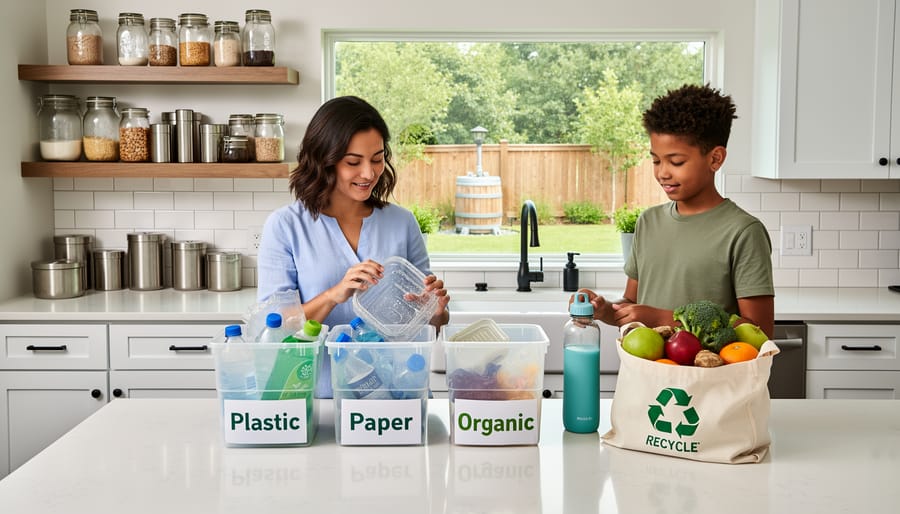
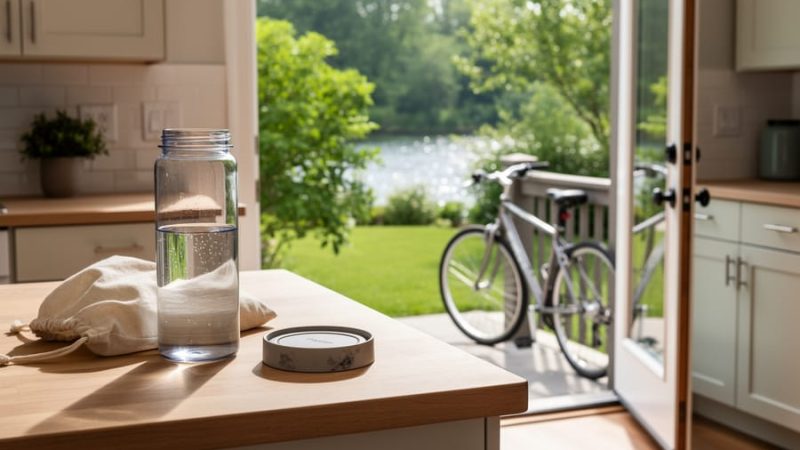
Reducing plastic pollution starts with simple swaps in your daily routine. Begin in the kitchen by replacing disposable items with reusable versions: swap plastic wrap for beeswax wraps or silicone lids, trade plastic sandwich bags for stainless steel containers, and choose glass storage jars over disposable bags. Keep a set of reusable shopping bags in your car and a cloth produce bag in your purse so you’re always prepared.
When grocery shopping, buy in bulk when possible and bring your own containers. Choose products with minimal packaging or opt for cardboard and glass over plastic. Look for bar soaps, shampoo bars, and toothpaste tablets instead of bottled versions. A reusable water bottle and coffee mug can eliminate hundreds of single-use containers each year.
For proper disposal, rinse recyclables before placing them in your bin and check your local guidelines, as Pennsylvania municipalities have different rules. Many items labeled recyclable aren’t actually processed locally. When you must buy plastic, choose items marked #1 or #2, which have higher recycling rates.
Before purchasing anything, ask yourself: Do I need this? Can I borrow it? Is there a plastic-free alternative? These questions help break the convenience mindset that drives single-use culture. Start with one swap this week, master it, then add another.
Community and Local Initiatives
Individual action creates ripples, but community involvement amplifies impact exponentially. Pennsylvania offers numerous opportunities to turn your plastic reduction efforts into collective change.
Join local cleanup events through organizations like the Pennsylvania CleanWays program, which coordinates stream and neighborhood cleanups across all 67 counties. These efforts remove tons of plastic waste annually while connecting you with like-minded residents. Many groups meet monthly, making it easy to participate regularly without major time commitment.
Support Pennsylvania’s growing network of zero-waste businesses that prioritize reusable packaging and bulk buying. Stores like Pittsburgh’s Zero Waste Station and Philadelphia’s Ulter Zero Waste Shop demonstrate that plastic-free retail models work. Shopping at these businesses sends market signals that sustainable practices are profitable.
Advocate for improved municipal recycling by attending borough council meetings or joining environmental advisory boards. Philadelphia’s recent expansion of curbside composting shows how sustained resident pressure creates policy change. Request clearer recycling guidelines, better collection infrastructure, and educational programs that reduce contamination rates.
Case Study: Lancaster’s Plastic Free July campaign partnered with 40 local restaurants to eliminate single-use plastic straws and utensils. The six-week initiative prevented an estimated 75,000 plastic items from entering waste streams while proving that businesses could adapt without losing customers. The program became permanent, demonstrating how focused community collaboration achieves lasting results.
Supporting Systemic Change
Supporting meaningful change requires action beyond personal habits. While individual choices matter, systemic shifts happen when citizens demand better from companies and government.
Contact your state and federal representatives about environmental legislation. Pennsylvania legislators respond to constituent pressure, a phone call or email advocating for extended producer responsibility laws or single-use plastic bans carries weight. Track bills through the Pennsylvania General Assembly website and show up to town halls.
Vote with your wallet by supporting companies committed to sustainable packaging. When businesses greenwash their efforts, call them out on social media and through direct communication. Corporations respond when consumers vocally demand change.
“The most effective advocacy combines personal action with political engagement,” explains Maria Chen, director of Clean Water Pennsylvania. “We’ve seen real progress when residents attend municipal meetings and push for ordinances banning plastic bags or requiring recyclable food containers. Local wins create momentum for statewide change.”
Join environmental organizations working on policy reform. Groups like PennEnvironment coordinate campaigns, provide advocacy training, and amplify individual voices into collective power. Subscribe to their action alerts to stay informed about urgent environmental issues requiring public comment or legislative action.
Preventing Plastic Pollution: Building Long-Term Habits
The most effective way to combat plastic pollution is to prevent it before it begins, and that requires building daily habits that naturally reduce your plastic footprint. Rather than viewing sustainability as a series of one-off sacrifices, think of it as redesigning your routine around better systems that become automatic over time.
Start by auditing your current plastic use for one week. Keep a simple log of every single-use plastic item you bring home: grocery bags, produce bags, takeout containers, beverage bottles, snack packaging. This awareness exercise reveals your personal pollution patterns and shows you exactly where to focus your efforts. Most people discover that 80% of their plastic waste comes from just three or four sources, making the problem suddenly manageable rather than overwhelming.
Once you know your weak spots, build prevention systems around them. If lunch means plastic-wrapped sandwiches, prep meals at home in reusable containers Sunday evenings. If coffee runs generate disposable cups, keep a travel mug in your car and office. The goal is to make the sustainable choice the path of least resistance. Stock reusable shopping bags in every place you might need one: your car trunk, your work bag, hung by the door. When the right tool is always within reach, you’ll use it.
Adopt these cornerstone habits to maintain a low-plastic lifestyle:
- Plan weekly shopping trips with reusable bags and containers already packed
- Choose package-free bulk items for pantry staples when possible
- Carry a reusable water bottle and utensil set everywhere
- Say “no straw, please” automatically when ordering drinks
- Buy secondhand first to avoid new packaging entirely
- Support businesses with minimal packaging or take-back programs
Mindset matters as much as mechanics. Embrace “progress, not perfection”, you’ll occasionally forget your bags or accept plastic packaging, and that’s fine. What counts is the cumulative impact of choices made hundreds of times yearly. Explore more sustainable lifestyle tips to expand your routine beyond plastic reduction alone, creating a comprehensive approach to environmental stewardship.
Finally, channel your personal commitment outward. Share what works with friends without preaching. Support local policy solutions that make plastic-free choices easier for everyone. Your habits create ripples: visible changes inspire others, and collective demand shifts what businesses offer. Prevention starts personal but becomes powerful when it spreads.
Common Questions About Plastic and Pollution
Plastic pollution raises many questions, and misinformation often complicates people’s efforts to make better choices. Understanding the facts helps you navigate product labels, recycling rules, and environmental claims with confidence.
Are biodegradable plastics better for the environment?
Biodegradable plastics sound promising but often require specific industrial composting conditions to break down properly. Most won’t decompose in landfills, oceans, or home compost bins, and some still leave microplastic residue behind.
Can all plastics be recycled?
No, only plastics marked #1 (PETE), #2 (HDPE), and sometimes #5 (PP) are widely recyclable in Pennsylvania. Items like plastic bags, polystyrene foam, and mixed-material packaging typically can’t go in curbside bins and contaminate recycling streams.
How long does plastic take to decompose?
A plastic bottle takes roughly 450 years to break down, while plastic bags need about 20 years and fishing line can persist for 600 years. Even then, they fragment into microplastics rather than fully disappearing.
What are the worst types of plastic for pollution?
Single-use items like straws, bags, bottles, and food packaging cause the most harm because they’re discarded quickly but persist for centuries. Microbeads in personal care products and plastic pellets from manufacturing also rank among the worst offenders.
Another common concern is whether switching to paper or glass truly helps. While these materials biodegrade faster than plastic, they carry their own environmental costs in production and transportation. The most sustainable choice is almost always to reuse what you already have rather than buying new alternatives, even eco-friendly ones.
Many people also wonder if their individual recycling efforts matter when contamination rates run high. The answer is yes, but with a caveat. Clean, properly sorted recyclables do get processed and made into new products, especially bottles and containers. However, wishful recycling, tossing questionable items into the bin hoping they’ll work out, actually hurts the system by contaminating entire batches.
Safe plastic use is another frequent question. Some plastics leach chemicals more readily than others, particularly when heated or worn down. Avoid microwaving food in plastic containers, don’t reuse single-use bottles repeatedly, and replace scratched or cloudy food storage items. Glass and stainless steel provide safer alternatives for storing food and drinks, especially anything acidic or fatty that can draw chemicals from plastic.
So yes, plastic absolutely causes pollution, but that reality doesn’t have to leave us feeling powerless. Every choice you make, from refusing a plastic straw to supporting businesses with sustainable packaging, creates ripples of positive change. The key is starting somewhere, anywhere, rather than waiting for perfection.
Pennsylvania communities are already leading by example, with local initiatives reducing waste and proving that collective action works. When individuals, neighborhoods, and municipalities work together, the impact multiplies quickly. You’re not alone in this effort.
The future holds promise too. Innovators are developing better materials, improved recycling technologies, and circular economy models that could transform how we produce and consume. While we wait for these systemic solutions to scale, your daily decisions matter tremendously. Choose one change this week, bring reusable bags to the store, switch to a refillable water bottle, or support a local zero-waste shop. Small shifts in habit, multiplied across communities, create the momentum we need.
The problem is real, but so is our capacity to solve it. Start today.