Why Plastic Pollution Is Destroying Our Future (And What Pennsylvania Can Do About It)
Every minute, the equivalent of one garbage truck full of plastic enters our oceans. That staggering reality means over 8 million tons of plastic waste pollute marine environments annually, creating consequences that ripple through ecosystems and directly into our daily lives. Microplastics now appear in our drinking water, the food we eat, and even the air we breathe.
The plastic pollution crisis stems from a simple but devastating problem: we’ve designed a material to last forever, yet we use it for products meant to be disposable. Single-use plastics account for roughly 40% of all plastic produced, with items like bottles, bags, and food packaging used for mere minutes before beginning a decomposition journey that takes hundreds of years.
This pollution doesn’t just harm distant wildlife. In Pennsylvania, plastic waste clogs our waterways from the Delaware River to Lake Erie, threatening drinking water sources and recreation areas that communities depend on. The economic impact reaches billions annually in cleanup costs, damaged fishing industries, and tourism losses.
Yet this challenge presents an opportunity. Understanding plastic pollution empowers us to make meaningful changes in our households, communities, and state. Pennsylvania has already seen remarkable progress through local initiatives, proving that individual actions combined with community efforts create measurable results. From reducing personal plastic consumption to supporting policy changes, each step moves us toward cleaner waterways, healthier ecosystems, and a more sustainable future for generations to come.
The Scale of Plastic Pollution: More Than Just Litter
Single-Use Plastics: The Biggest Culprits
Not all plastics are created equal when it comes to environmental harm. Single-use plastics, designed to be used once and discarded, represent the most significant contributors to plastic pollution. Understanding which items cause the most damage helps us make informed choices about what to avoid.
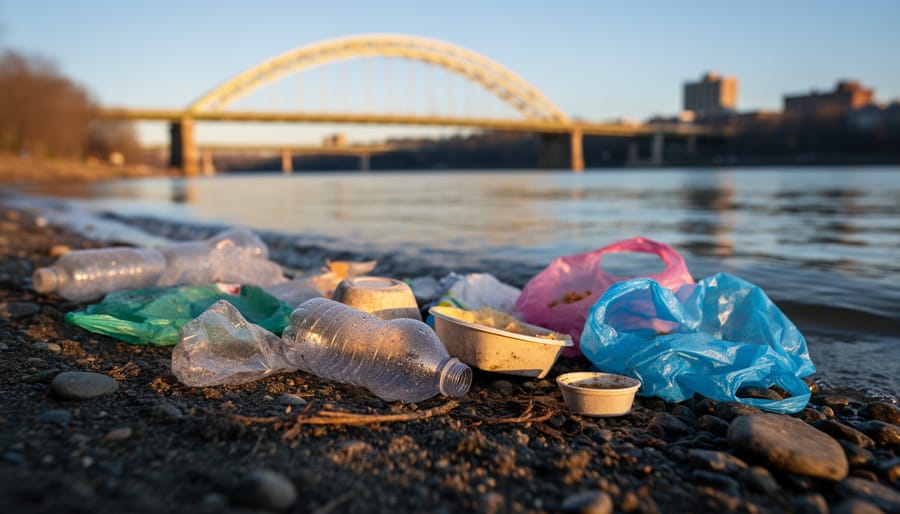
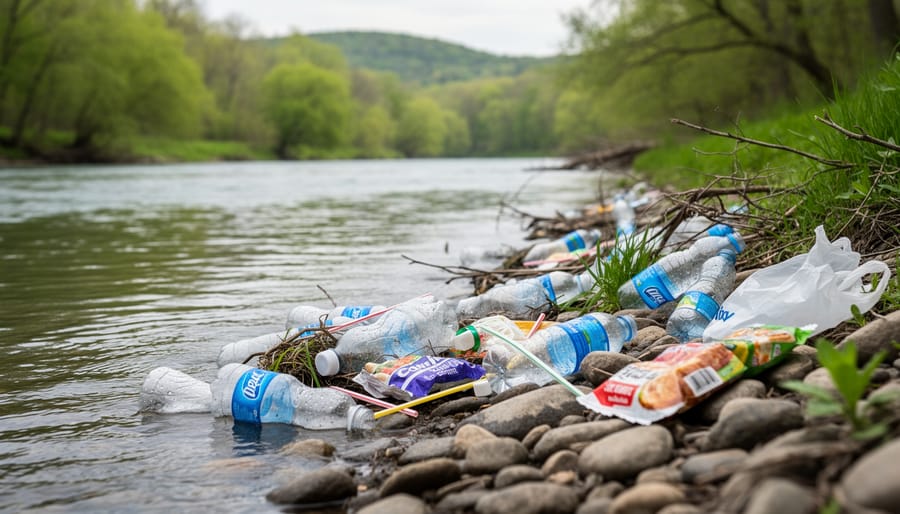
Plastic bottles top the list of culprits. Americans purchase about 50 billion water bottles annually, and Pennsylvania alone generates millions of pounds of plastic bottle waste each year. Despite recycling programs, only about 29% of plastic bottles actually get recycled in the state. The Schuylkill River cleanup crews regularly report finding countless plastic bottles along Philadelphia’s waterways, with some dating back years but showing little sign of breaking down.
Plastic bags rank as another major offender. A single grocery bag might be used for just 12 minutes but persists in the environment for centuries. In Pittsburgh, environmental volunteers collected over 15,000 plastic bags during a single river cleanup event in 2022. These bags frequently entangle wildlife and clog stormwater systems, causing flooding issues in urban areas.
Disposable straws and food packaging complete the quartet of problematic plastics. While straws represent a smaller percentage by weight, their size makes them particularly dangerous to marine life. Meanwhile, food packaging, from styrofoam takeout containers to plastic wrap, accounts for nearly 40% of all plastic production. Pennsylvania restaurants and grocery stores generate thousands of tons of this packaging waste annually, much of which ends up in landfills or as litter in our communities.
Microplastics: The Invisible Threat
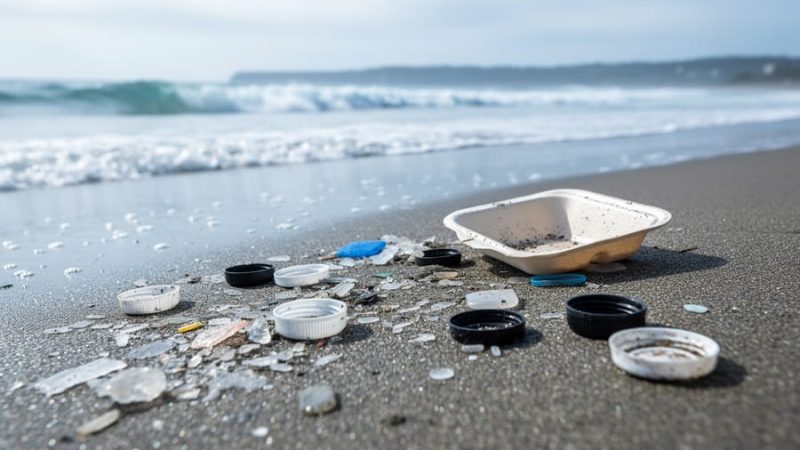
Microplastics are tiny plastic fragments smaller than a grain of rice, typically less than five millimeters in length. Think of them as the confetti of the pollution world, except this celebration never ends, and the cleanup is nearly impossible.
These invisible threats form in two main ways. Primary microplastics start small, like the microbeads once found in facial scrubs or the synthetic fibers that wash off our fleece jackets. Secondary microplastics break down from larger items, similar to how a rock becomes sand over time. That plastic water bottle tossed on the roadside doesn’t just disappear. Sunlight, weather, and physical wear gradually fragment it into countless microscopic pieces.
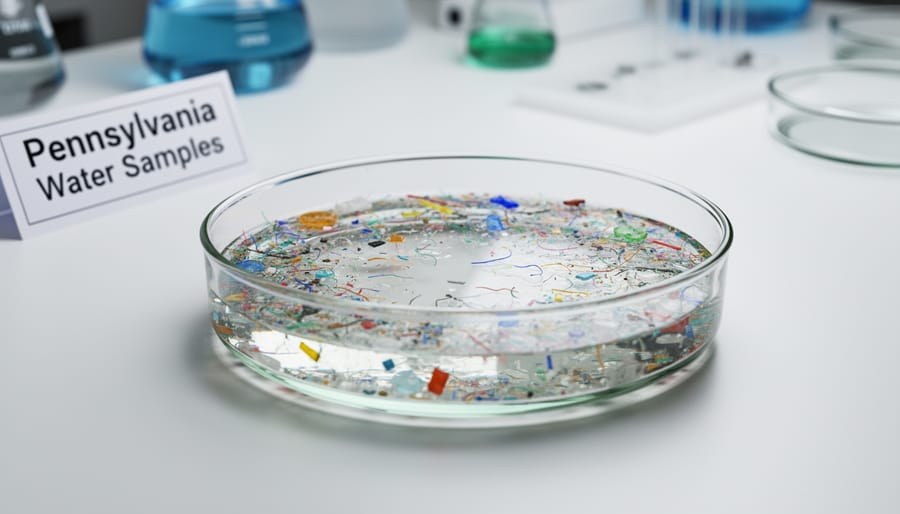
Pennsylvania’s waterways tell a concerning story. Recent studies have detected microplastics in the Susquehanna River, the Schuylkill River, and even in Pittsburgh’s three rivers. These particles travel from storm drains, wastewater treatment plants, and agricultural runoff, making their way through our entire water system.
But waterways aren’t the only concern. Microplastics are also accumulating in Pennsylvania soil. Agricultural fields treated with biosolids, urban gardens near roadways, and areas with plastic mulch all show measurable concentrations. Dr. Heather Leslie, an environmental chemist who has studied Pennsylvania samples, notes that these particles can persist in soil for decades, potentially affecting everything from earthworm health to the food we grow. The challenge is that once these tiny fragments disperse into the environment, removing them becomes practically impossible, making prevention our most powerful tool.
How Plastic Pollution Harms Our Environment and Health
Impact on Pennsylvania’s Waterways and Wildlife
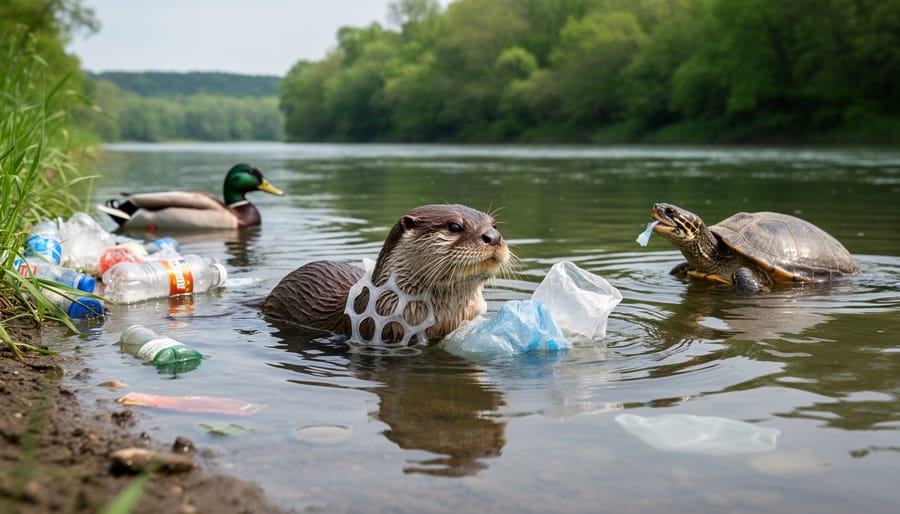
Plastic pollution has become a pressing environmental crisis for Pennsylvania’s waterways and the wildlife that depends on them. The state’s rivers, lakes, and streams serve as vital habitats for diverse species, but they’re increasingly threatened by plastic debris ranging from large bottles to microscopic particles.
The Susquehanna River, which supplies half of the freshwater flowing into the Chesapeake Bay, carries an estimated 1.5 million pounds of plastic pollution annually downstream. This plastic doesn’t just float by harmlessly. Research conducted by the Alliance for the Chesapeake Bay documented plastic fragments in the digestive systems of local fish species, including smallmouth bass and catfish. These fish mistake colorful plastic pieces for food, which can block their digestive tracts and introduce harmful chemicals into their bodies.
Pennsylvania’s wetland birds face similar challenges. A 2022 study by local conservation groups found that great blue herons nesting along the Delaware River had incorporated plastic fishing line, bags, and bottle caps into their nests. Young birds became entangled in these materials, reducing survival rates for chicks.
Microplastics present an even more insidious threat. These tiny particles, often invisible to the naked eye, have been detected in 93% of water samples taken from streams across Pennsylvania. Once in the water system, they’re consumed by everything from tiny aquatic insects to larger fish, working their way up the food chain and ultimately affecting the entire ecosystem’s health.
Understanding these local impacts helps us recognize why reducing plastic use matters right here at home.
The Connection Between Plastic and Human Health
Plastic’s journey into our bodies begins long before we realize it. In Pennsylvania, microscopic plastic particles called microplastics have been detected in our rivers, including the Susquehanna and Delaware, which serve as drinking water sources for millions of residents. These tiny fragments, often invisible to the naked eye, come from breaking down larger plastic items, synthetic clothing fibers, and even personal care products.
When plastics break down in our waterways, fish and other aquatic life mistake these particles for food. As these organisms are consumed by larger animals, the plastics accumulate up the food chain in a process called bioaccumulation. This means that by the time fish reaches our dinner plates, it may contain concentrated levels of microplastics and the chemicals associated with them.
Research indicates that the average person may consume approximately one credit card’s worth of plastic each week through food and water. In Pennsylvania, a 2019 study found microplastics in tap water samples across the state, though levels varied by location. While scientists are still studying the long-term health effects, early research suggests potential concerns related to inflammation and hormone disruption.
The chemicals added to plastics during manufacturing, such as phthalates and BPA, are another consideration. These substances can leach into food and beverages, particularly when plastic containers are heated or degraded. Some studies have linked these chemicals to various health concerns, though research continues to evolve.
The good news is that awareness is growing, and Pennsylvania researchers at institutions like Penn State are actively studying these issues to better understand the scope and develop solutions. By understanding how plastics enter our bodies, we can make informed choices to reduce our exposure while supporting broader efforts to address plastic pollution at its source.
What’s Being Done: Pennsylvania’s Response to Plastic Pollution
Local Initiatives Making a Difference
Across Pennsylvania, innovative communities and organizations are proving that meaningful change starts at the local level. Their efforts demonstrate that reducing plastic pollution isn’t just possible—it’s already happening in our own backyard.
In Pittsburgh, the nonprofit Allegheny CleanWays has diverted over 15,000 pounds of plastic from local waterways through their volunteer-led cleanup programs. “We’re not just removing trash,” explains Program Director Maria Chen. “We’re educating participants about how their daily choices impact our rivers. Many volunteers go home and immediately start reducing single-use plastics in their own lives.”
The Philadelphia-based organization Green Philly has taken a different approach by partnering with 40 local businesses to eliminate plastic straws and transition to compostable alternatives. Their Business Green Initiative provides free consultations to help restaurants and cafes identify cost-effective sustainable swaps. Participating businesses report that customers overwhelmingly support these changes, with some establishments seeing increased patronage from environmentally conscious diners.
In State College, the grassroots group Centre County Refuses Single-Use has championed a community-wide effort to normalize reusable containers. They’ve convinced 12 coffee shops to offer discounts for customers bringing their own cups and launched a library of reusable containers that residents can borrow for takeout meals. “We wanted to remove the barriers,” says founder David Martinez. “Now people can participate without buying anything new.”
Lancaster’s zero-waste grocery store, Bare Market, demonstrates how businesses can eliminate plastic packaging entirely. Since opening two years ago, they estimate preventing 30,000 plastic bags and containers from entering the waste stream. Owner Rachel Thompson notes that customer education is key: “We teach people how easy it is to shop without plastic. Once they try it, most never go back.”
Current Policies and Future Legislation
Pennsylvania currently lacks statewide legislation specifically banning single-use plastics, though several municipalities have taken local action. Philadelphia implemented a plastic bag ban in 2021, becoming the first major Pennsylvania city to do so, while communities like West Chester and State College have introduced similar restrictions. These local ordinances typically prohibit retailers from providing single-use plastic bags, encouraging reusable alternatives instead.
At the state level, Pennsylvania participates in regional initiatives addressing plastic pollution in waterways. The Department of Environmental Protection oversees waste management programs that include plastic recycling requirements for businesses and municipalities. However, Pennsylvania’s recycling rate remains below the national average, highlighting room for improvement in existing systems.
Several bills addressing plastic pollution have been introduced in the state legislature in recent years. Proposed legislation includes extended producer responsibility programs, which would require manufacturers to help fund recycling infrastructure, and container deposit return systems similar to those operating successfully in neighboring states. While these bills haven’t yet passed, they reflect growing recognition of plastic pollution as a priority issue.
Understanding current policies helps Pennsylvania residents identify where individual action matters most and recognize opportunities to support stronger environmental protections in their communities.
Simple Actions You Can Take Today
In Your Home and Kitchen
Your kitchen is ground zero for household plastic reduction, and the good news is that simple swaps make a huge difference. Start by replacing single-use plastic wrap with beeswax wraps, which Pennsylvania companies like Bee’s Wrap manufacture right in Pittsburgh. These reusable covers work beautifully for sandwiches, covering bowls, and wrapping produce.
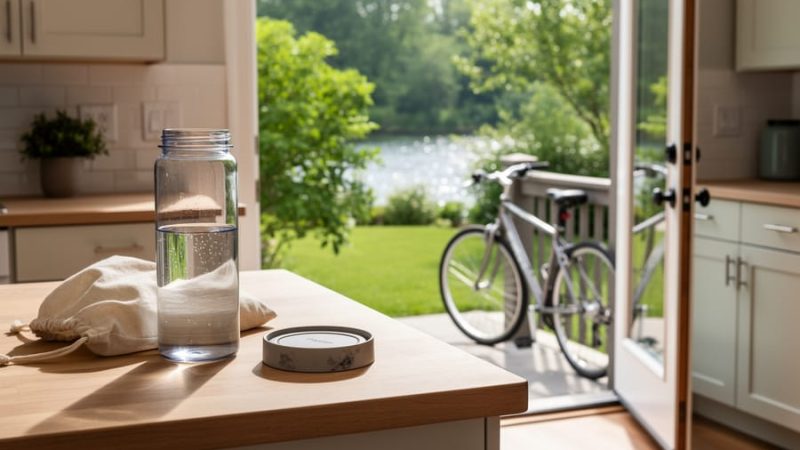
Switch from plastic sponges to natural alternatives like wooden dish brushes or cellulose sponges that break down completely. For food storage, invest in glass containers with silicone lids rather than disposable plastic bags. Several Pennsylvania thrift stores and zero-waste shops sell secondhand glass jars at bargain prices if you’re on a budget.
When grocery shopping, bring reusable produce bags instead of tearing off those thin plastic ones. Philadelphia-based company Simple Ecology makes affordable mesh bags that weigh almost nothing, so they won’t affect your checkout price. Consider buying dry goods like rice, beans, and pasta from bulk bins using your own containers.
For beverages, ditch bottled water entirely. Pennsylvania’s tap water quality ranks among the nation’s best in most regions, making a simple filter pitcher or faucet attachment all you need. Carry a stainless steel water bottle everywhere.
Small changes add up quickly. Lancaster resident Maria Torres eliminated 90 percent of her household plastic waste within six months simply by implementing these kitchen swaps. She says the key is starting with one change per week rather than attempting everything at once, making the transition feel manageable rather than overwhelming.
Shopping and Food Choices
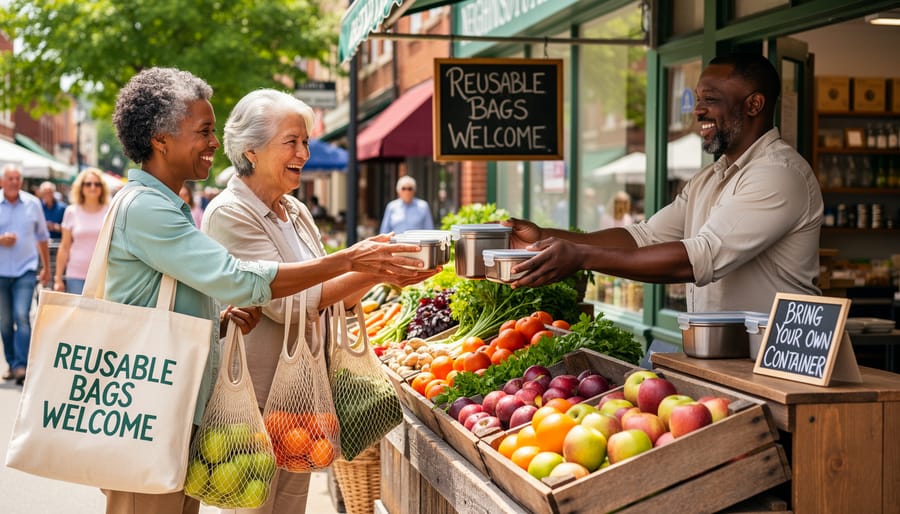
Making plastic-free choices at Pennsylvania stores doesn’t require perfection or a big budget. Start by bringing reusable bags to any grocery store—most Pennsylvania chains now sell sturdy options for under $2, and many offer bag credits that add up over time. When shopping produce, skip the thin plastic bags or bring lightweight mesh bags instead. Buying in bulk saves money and plastic when you use your own containers, which many stores like Whole Foods and local co-ops allow.
Pennsylvania’s farmers markets offer naturally low-plastic options while supporting local growers. You’ll find produce without packaging, and vendors often accept containers you bring for items like honey, eggs, or prepared foods. Markets operate year-round in cities like Philadelphia, Pittsburgh, and Harrisburg, with seasonal options in smaller communities.
For budget-conscious shoppers, focus on high-impact swaps first. Choose bar soap over liquid in plastic bottles, buy pasta in cardboard boxes instead of plastic bags, and select glass jar condiments you can later reuse. Store brands often cost less and sometimes use less packaging than name brands. Remember, reducing plastic waste is about progress, not perfection—every small choice counts toward cleaner waterways and healthier communities across Pennsylvania.
Getting Involved in Your Community
Taking action on plastic pollution becomes more powerful when done collectively. Pennsylvania communities offer numerous opportunities to connect with others who share your environmental values and make a tangible difference.
Start by searching for local cleanup events through organizations like Keep Pennsylvania Beautiful or your county’s conservation district. Many municipalities organize quarterly stream, park, or roadside cleanups where volunteers can spend just a few hours making visible improvements. These events provide an easy entry point and help you meet like-minded neighbors.
Consider joining established advocacy groups such as local chapters of the Sierra Club, Clean Water Action, or PennEnvironment. These organizations work on policy changes, conduct educational campaigns, and organize regular volunteer activities. Your participation amplifies their voice and effectiveness.
If no group exists in your area, starting one is simpler than you might think. Begin small by inviting neighbors for monthly cleanups at a favorite local spot. Share photos on social media to attract more participants. As your group grows, you can tackle bigger projects like working with local businesses to reduce single-use plastics or advocating for municipal recycling improvements.
Connect with schools and libraries to organize educational events. Many Pennsylvania educators welcome community partners who can share practical environmental knowledge, creating ripple effects as students bring sustainable habits home.
Innovative Solutions on the Horizon
The fight against plastic pollution is sparking remarkable innovation across the globe, with some of the most promising developments emerging right here in Pennsylvania. These breakthrough technologies and alternatives offer genuine hope for reducing our plastic footprint while maintaining the convenience modern life demands.
Biodegradable plastics represent one of the most exciting frontiers in plastic alternatives. Unlike traditional plastics that persist for centuries, these materials break down naturally through composting or environmental exposure. Companies are developing plastics from corn starch, sugarcane, and even algae. However, it’s important to understand that “biodegradable” doesn’t always mean problem-free. Many require specific industrial composting conditions to break down properly, so checking local composting facility capabilities matters.
Pennsylvania is home to cutting-edge research in this field. Penn State University researchers are pioneering work on enzyme-based recycling, which uses special proteins to break down plastics into their original building blocks. This process allows materials to be truly recycled indefinitely, rather than downcycled into lower-quality products. This technology could revolutionize how we handle plastic waste within the next decade.
Chemical recycling is another game-changing approach gaining momentum. Unlike mechanical recycling that melts and reshapes plastics, chemical recycling transforms plastic waste back into oil or chemical feedstocks. Several Pennsylvania-based companies are investing in these technologies, creating local jobs while addressing environmental challenges.
The packaging industry is also experiencing a transformation. Mushroom-based packaging, seaweed films, and even packaging made from food waste are moving from laboratory concepts to commercial reality. Local Pennsylvania startups are developing compostable food containers and plant-based shopping bags that perform just as well as conventional plastics.
Ocean cleanup technologies are capturing attention too. Floating barriers and autonomous collection systems are removing existing plastic from waterways before it breaks down into harmful microplastics. While prevention remains the priority, these technologies offer hope for addressing the pollution already in our environment.
These innovations work best when combined with reduced consumption and improved waste management, creating a comprehensive approach to solving plastic pollution.
The plastic pollution crisis demands our immediate attention, but the path forward is clearer than ever before. We’ve seen how plastic infiltrates every corner of our environment, from Pennsylvania’s waterways to the deepest ocean trenches, affecting wildlife, human health, and the natural systems we depend on. Yet the solutions are within our reach, and the momentum for change is building across our communities.
Every piece of plastic you choose not to use matters. When you bring a reusable bag to the grocery store, refill your water bottle instead of buying a new one, or support businesses committed to reducing packaging, you’re part of a growing movement. These individual actions create collective impact, and as we’ve seen from successful local initiatives throughout Pennsylvania, community-level changes can drive meaningful environmental improvements.
The encouraging news is that you don’t need to transform your entire lifestyle overnight. Start with one simple swap this week. Replace a single-use item with a reusable alternative. Share what you’ve learned with a friend or family member. Support legislation that holds corporations accountable for their plastic production. Each small step builds momentum toward larger systemic change.
The future we want requires both personal commitment and collective action. Your choices as a consumer, community member, and advocate have real power to shape how our society produces, uses, and manages plastic. The time to begin your plastic reduction journey is now, because our planet and future generations are counting on us to act.