How to Put Techniques for Water Conservation to Work at Home and in Your Garden
You can cut your household water use by 20 to 30 percent in a single weekend with a handful of low-cost fixes: sealing leaks, installing efficient fixtures, changing a few daily habits, and watering your garden smarter. Most of it takes a screwdriver, a roll of plumber’s tape, and a few hours. No special skills required.
Why does it work? The average home loses a surprising amount of water to things you never notice, like a toilet that quietly runs all night or a sprinkler that waters the driveway as faithfully as the lawn. Fix those, and the savings show up on your next bill. Add a rain barrel and some mulch, and your garden starts needing far less from the tap.
It matters beyond your wallet, too. Shifting rainfall patterns and longer dry spells are part of the larger climate change impact on local water supplies, and every gallon you don’t use helps keep streams, wells, and reservoirs healthier.
Below, you’ll find what you need before you start, a few safety cautions, the steps in order, and simple ways to check that your savings are real. We’ll also look at a local conservation effort and hear from a Pennsylvania environmentalist who has seen these techniques work up close.
What You’ll Need to Start Conserving Water
You don’t need a toolbox full of gear to start saving water. Most of what’s below costs less than a tank of gas, and several items are probably already in your house. Here’s the checklist, with rough prices so you can plan.
- Your water meter or past utility bills: This sets your baseline so you can see what you use now and measure savings later (free).
- Food coloring: A few drops in the toilet tank reveal a silent leak (about $2, or free if you have some).
- A basic adjustable wrench and plumber’s tape: These let you swap fixtures and seal threads so connections don’t drip (about $10 to $20 together).
- A low-flow showerhead: It limits flow to around 2 gallons per minute or less, which is why it saves so much hot water (about $10 to $30).
- Faucet aerators: These small screens mix air into the stream so you use less water without feeling the difference (about $3 to $8 each).
- A rain barrel with a screen and spigot: It collects roof runoff for the garden, and the screen keeps out debris and mosquitoes (about $60 to $150, and some Pennsylvania municipalities and conservation groups offer discounts).
- Mulch: A two- to three-inch layer keeps soil moist and cuts evaporation (about $4 to $6 a bag, or free from some local yard-waste programs).
- A soil moisture check: Your finger works fine, or use an inexpensive probe so you only water when plants need it (free to about $15).
- A bucket: It catches shower warm-up water and does a quick flow test on a faucet (about $5, or reuse one you own).
If money is tight, start with the free items: your bills, food coloring, a bucket, and your finger for the soil test. Those alone will help you find leaks and water more wisely. The showerhead, aerators, and wrench are the best-value upgrades because they pay for themselves quickly on your utility bill. The rain barrel and the moisture probe are optional extras you can add later, once you’ve seen what the first few changes save.
Safety Warnings and When to Call a Professional
A few simple precautions keep your water-saving projects safe, and most of them take only a minute. Before you replace a showerhead, faucet aerator, or toilet part, shut off the water supply at the valve first. If the fixture has no local valve, close the main shutoff and open a tap to drain the line.
Rain barrels need a little extra care. Keep yours covered with a tight lid and a fine screen so children, pets, and wildlife stay safe. A closed barrel also stops mosquitoes from laying eggs, and Covered barrels deter mosquitoes before they become a backyard nuisance. Never plumb barrel water into your indoor pipes or anywhere near a drinking supply, and Avoid cross-connection risks by keeping rainwater lines completely separate from household plumbing.
If you’re curious about greywater (gently used water from sinks, showers, or laundry), go slowly. Don’t put untreated greywater on vegetables or other edible plants without proper guidance, and check your local rules before diverting any of it. For families with little ones around barrels, ponds, or buckets, a quick review of basic water safety is time well spent.
Some jobs are best left to a licensed plumber. Call one if you suspect a hidden leak, notice low pressure after a repair, or need any work done on a private well system. Getting help early usually saves both water and money.
Step-by-Step: Cutting Water Use Indoors and Out
Find Your Baseline and Fix Leaks First
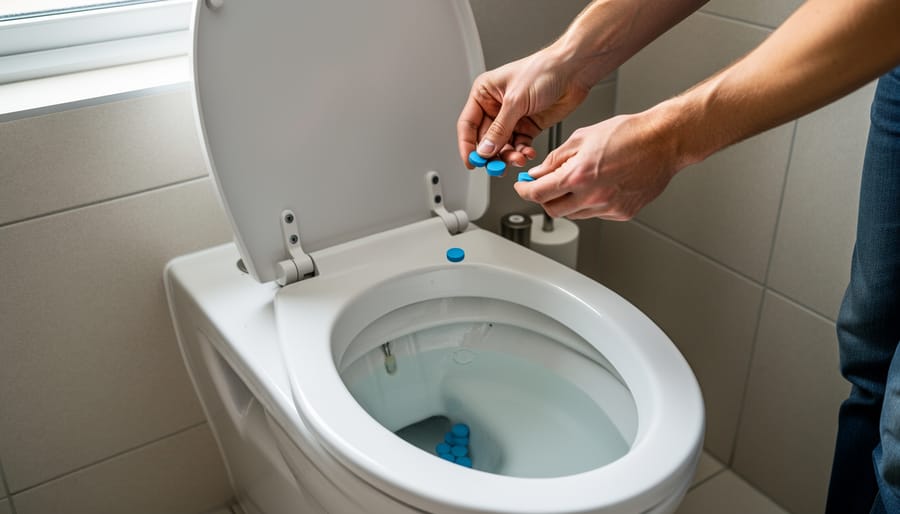
Before you change a single fixture, find out where you stand. A baseline gives you a number to beat, and it often points straight to the cheapest fix: a leak.
Start with your water meter, usually in a utility box near the street or in your basement. If you’re on a private well, you may not have one, so your bills (or a simple bucket-and-timer check on a few fixtures) will have to do. City customers can also pull the last few months of bills and note the gallons used per month.
Here’s a simple way to run the check:
- Write down the current meter reading, including the small dial.
- Turn off every tap, appliance, and irrigation system, then wait two hours without using any water.
- Check the meter again. If the numbers moved, water is escaping somewhere.
- Add a few drops of food coloring to each toilet tank, wait 15 minutes without flushing, and look for color in the bowl.
- Inspect faucets, the supply lines under sinks, and outdoor spigots for drips, damp spots, or corrosion.
- Repair or replace worn parts, such as flappers, washers, and cracked hoses.
Don’t shrug off a “tiny” drip. A slow leak can quietly waste hundreds or even thousands of gallons over a month, and you’d never notice it by eye. Leaking toilets waste water around the clock, and a worn flapper is often the culprit.
The good news is that these repairs are usually cheap. A replacement flapper or washer costs a few dollars and takes minutes to install, which makes leak repair one of the easiest wins in water conservation.
Upgrade Fixtures and Change Everyday Habits Indoors
Once leaks are fixed, upgrading fixtures is the next easy win, and most of it takes a wrench and a few minutes.
First, a quick definition. “Low-flow” simply means a fixture is built to use less water while still doing its job. Flow is measured in gallons per minute (GPM), which is how much water comes out each minute. Older showerheads often run 2.5 GPM or more, while efficient ones deliver 2.0 GPM or less. Look for the WaterSense label, a government-backed mark for efficient products.
Swapping a showerhead is simple. Shut off the water if needed, unscrew the old head by hand or with a wrench, wrap the threads in plumber’s tape, and screw on the new one. Faucet aerators work the same way: twist off the tip of the faucet and thread on a 1.5 GPM aerator. Neither one noticeably changes how the water feels.
Older toilets can use several gallons per flush. If replacing one isn’t in the budget, a toilet displacement bag or a filled bottle placed in the tank takes up space so each flush uses less water. Just keep it clear of the flush parts.
Habits matter just as much, and these are the kind of everyday habit swaps that cost nothing:
– Cut your shower by a minute or two.
– Run the washing machine and dishwasher only with full loads.
– Turn off the tap while brushing your teeth.
Small changes, repeated daily, add up fast.
Water Smarter in the Garden and Yard
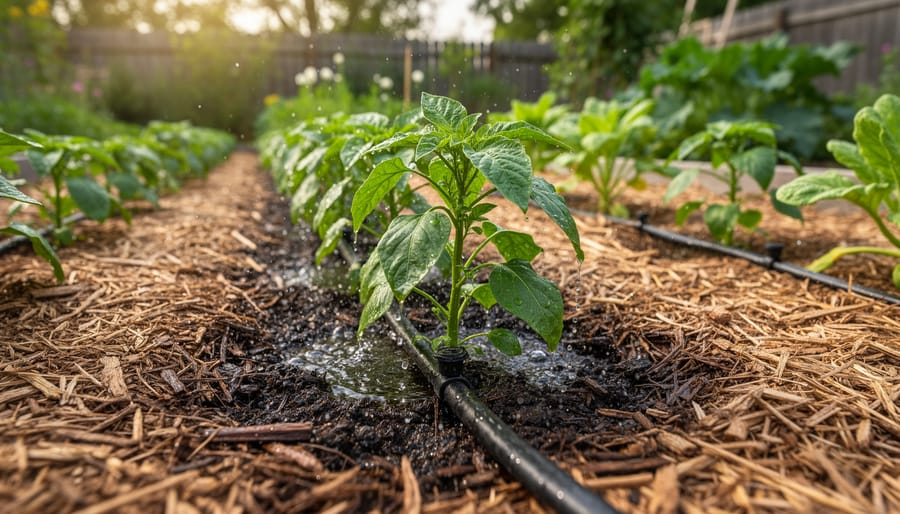
Outdoor watering is where many households can save the most, especially from June through August when lawns and gardens can drive water use way up. The good news is that Pennsylvania’s fairly generous rainfall means you can work with the weather instead of against it.
Start with timing. Water early in the morning, ideally before 9 a.m., when it’s cool and winds are calm. Less water evaporates, and leaves dry quickly, which helps prevent fungal problems like powdery mildew.
Next, water deeply and less often. A good soaking once or twice a week encourages roots to grow down into the soil, where moisture lasts longer. Shallow daily sprinkling does the opposite, training roots to stay near the surface. A simple test: push a screwdriver into the soil after watering. If it slides in six to eight inches, you’ve watered enough.
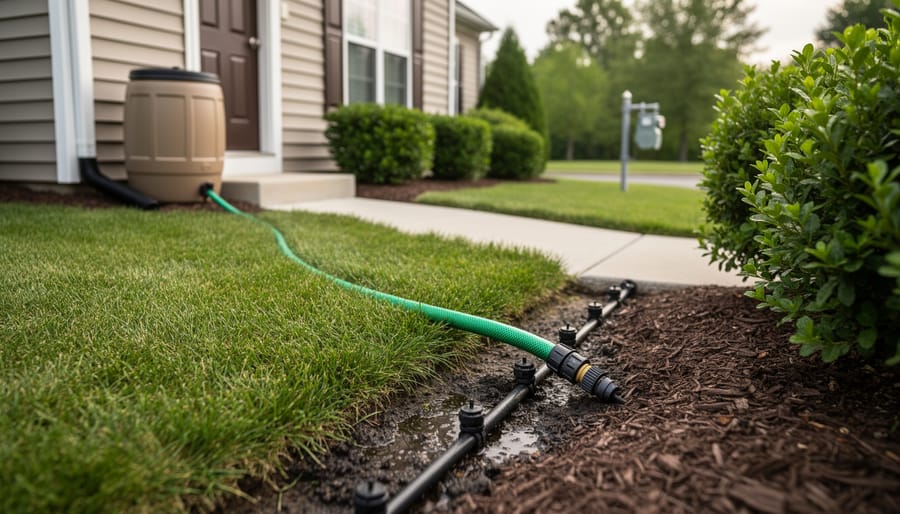
Deliver that water where plants actually need it. Drip irrigation and soaker hoses (porous hoses that seep water slowly along the ground) put moisture right at the roots, wasting far less than an overhead sprinkler. Then lock it in with two to three inches of mulch, such as shredded leaves or wood chips, which shades the soil and slows evaporation. Keep mulch a few inches away from plant stems.
Smart plant choices make a lasting difference too:
– Choose native and drought-tolerant plants like purple coneflower, black-eyed Susan, and switchgrass, which are adapted to our weather and need little extra water once established.
– Group plants by water needs, so thirsty tomatoes aren’t sharing a zone with drought-tolerant herbs.
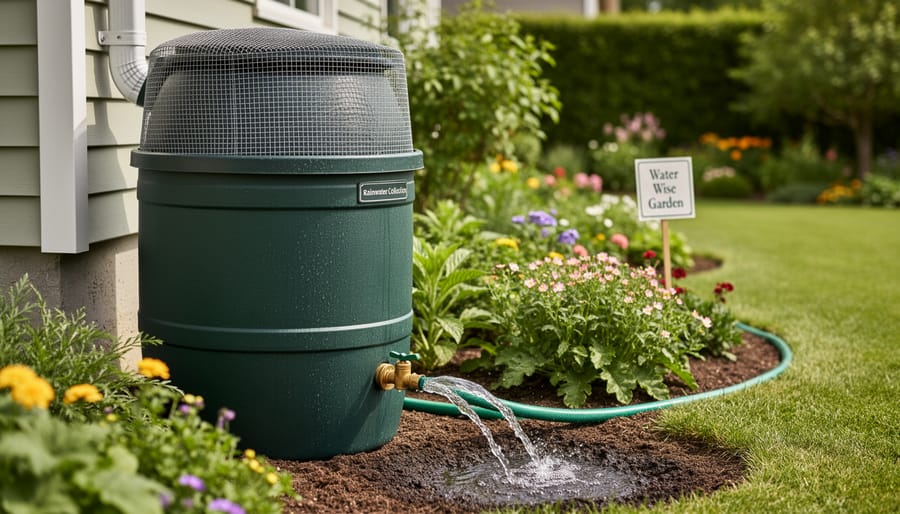
– Set up a rain barrel under a downspout to collect free water for your beds. A single inch of rain on a 1,000-square-foot roof can fill a barrel many times over.
Pennsylvania communities have shown how well this works. Across the state, watershed groups and conservation districts have run rain barrel workshops where neighbors build and install barrels together, then use the captured water on gardens instead of tapping the tap. Many community gardens follow the same playbook: mulched beds, drip lines, and shared rain catchment. You can copy it on a small scale by gathering a few neighbors, splitting the cost of materials, and starting with a single barrel and one mulched garden bed.
Learning From Pennsylvania: Local Voices on Saving Water
Pennsylvania has no shortage of people who spend their days helping neighbors use water more wisely. Master gardeners, watershed associations, and county conservation districts all hear the same questions, and their answers tend to line up in encouraging ways.
Ask a local educator where to begin and the answer is almost always the same: start with leaks. Many households skip the dye test and jump straight to buying new gadgets, but a quietly running toilet can undo the savings from nearly every other change. Fixing it first, as in the baseline step above, gives you a clean starting point and a quick win.
The most common outdoor mistake is watering a little every day. Shallow watering keeps roots near the surface, so plants dry out fast and need even more water. Local gardening volunteers suggest a slower approach: water deeply in the early morning, then let the soil rest. A layer of mulch does much of the remaining work by holding moisture in and keeping weeds down.
Rain barrels come up again and again as a favorite entry point, especially in towns where conservation districts and watershed groups offer workshops and discounted barrels. People often say the habit that surprises them most is how quickly they start noticing the weather forecast, collecting rain before a dry spell and using it on garden beds.
The lesson from these local voices is that nobody has to do everything at once. Pick one habit, such as the leak check or the morning watering switch, and let it become routine. Progress in Pennsylvania neighborhoods usually comes from small, steady changes that people actually keep.
How to Check Your Results and Keep the Savings Going
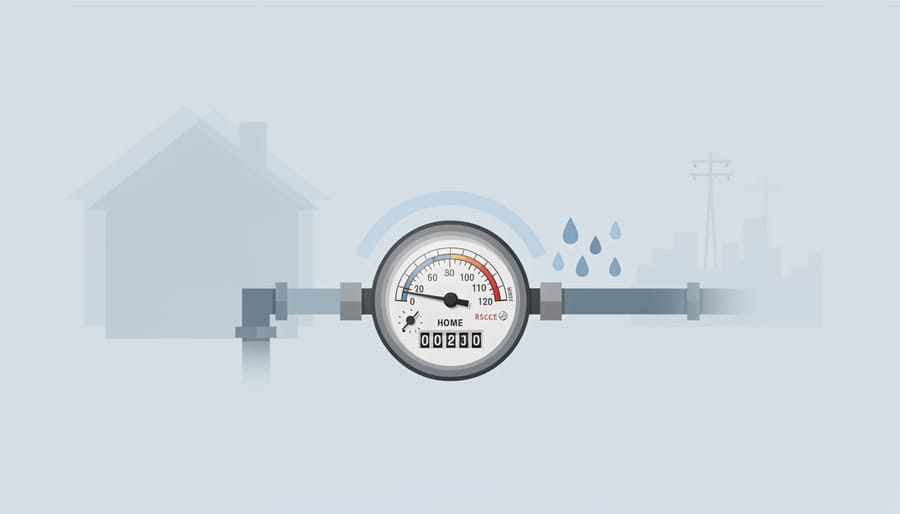
Once you’ve made a few changes, it’s time to see what they actually did. Grab the baseline you set earlier, whether that’s a meter reading or last year’s bills, and compare it to a fresh week or month of use. Check the meter when no one is home and nothing is running. If the dial or the small leak indicator is still spinning, you’ve got a leak you haven’t found yet. Bills work too, though they lag, so give it a full billing cycle before judging. Compare the same season year over year, since summer watering skews everything.
Keep a simple notebook or a note on your phone. Jot down each change and the date, then watch how your numbers shift. You’ll quickly see which fixes paid off most, and that tells you where to put your effort next. For many households, it’s a leaky toilet or the garden hose.
Make it a habit rather than a project. Tie a quick leak check and meter reading to the change of seasons, and add just one new technique at a time so nothing feels like a chore. If you’re looking for more ideas to build on, these sustainable lifestyle tips pair nicely with what you’ve started.
When you’re ready for a next step, look into your local rules on greywater reuse (water from sinks and laundry that can be safely reused for some purposes), sign up for a nearby rain barrel workshop, or swap tips with neighbors. Saving water spreads fast when people compare notes.
Water-Saving Questions Readers Often Ask
How much water can a typical household realistically save?
Most households can trim a noticeable share of their use just by fixing leaks and adjusting a few habits, and the savings grow as you add efficient fixtures and smarter watering. Your own baseline from the meter or past bills is the best way to see your real number.
Are rain barrels legal in Pennsylvania?
Collecting rain from your roof for garden use is generally allowed, and many local groups run rain barrel programs and workshops. Rules can vary by municipality, so a quick call to your township or borough office is a smart first step.
Do low-flow fixtures reduce water pressure?
Not in a way most people notice. Modern low-flow showerheads and aerators are designed to mix in air so the spray still feels strong while using fewer gallons per minute.
When is the best time to water the garden?
Early morning is best, because cooler air and calmer wind mean less water is lost to evaporation. Water deeply and less often so roots grow down instead of staying near the surface.
Do private-well owners save money by conserving? Often, yes, though the savings look different. You won’t see a smaller water bill, but you’ll run your pump less, which can lower electricity costs and reduce wear on the system. Using less also eases the strain on your well during dry spells.
Smart water habits reach beyond your own property, too. Every gallon you keep out of storm drains and treatment systems helps to protect waterways that Pennsylvania communities rely on for drinking water, recreation, and wildlife. Still unsure about something? Start with the leak check, since it answers most of these questions with your own numbers.
Saving water doesn’t call for a perfect plan or a big budget. It starts with small, steady changes: a dripping faucet fixed, a shorter shower, a layer of mulch around the tomatoes, a rain barrel catching what the roof sheds. Each one trims a little off your bill, and together they ease the load on the local streams, aquifers, and reservoirs that Pennsylvania communities share.
That’s the encouraging part. Whether you’re on a private well in the hills or hooked up to a city system, your choices ripple outward. Less water drawn means more left for fish, farms, and neighbors, especially in the dry stretches of late summer.
So don’t try to do everything at once. Pick one technique from this guide and try it this week. Run the toilet dye test, swap in an aerator, or water at dawn instead of midday. Then add another next month.
When you’re ready for more ideas, explore the other Sustainable Pennsylvania resources and keep the momentum going. Your next small step is the one that counts.