How Environmental Justice Journals Are Reshaping the Fight for Cleaner Communities

Environmental justice journals are specialized academic and professional publications that document, analyze, and advocate for fair treatment and meaningful involvement of all communities in environmental decision-making. These peer-reviewed and open-access resources offer case studies, research findings, policy analyses, and community voices that expose how pollution, climate impacts, and environmental hazards disproportionately affect low-income neighborhoods and communities of color. For advocates, students, and concerned citizens in 2026, these journals serve as both evidence base and roadmap, providing the data and frameworks needed to challenge inequitable practices and support policy reform.
The practical value of environmental justice journals extends far beyond academic citation. When a Pennsylvania community group fights against a proposed waste facility in their neighborhood, they turn to published research documenting health impacts in similar settings. When educators design curriculum around climate equity, they draw from journals that connect environmental science to social justice. These publications bridge grassroots organizing and policy change by making research accessible to those who need it most.
Understanding how to navigate, access, and apply environmental justice scholarship empowers readers to participate more effectively in local advocacy. Some journals operate on traditional subscription models through university libraries, while others embrace open-access principles to ensure community members can read and share findings without paywalls. The landscape includes flagship titles like Environmental Justice, established interdisciplinary journals with dedicated sections, and emerging publications centering Indigenous perspectives and global South voices. Knowing which journals publish what type of content, how to search their archives efficiently, and how to translate academic findings into community action makes the difference between passive awareness and informed engagement.
What Environmental Justice Journals Reveal About Pollution and Inequality
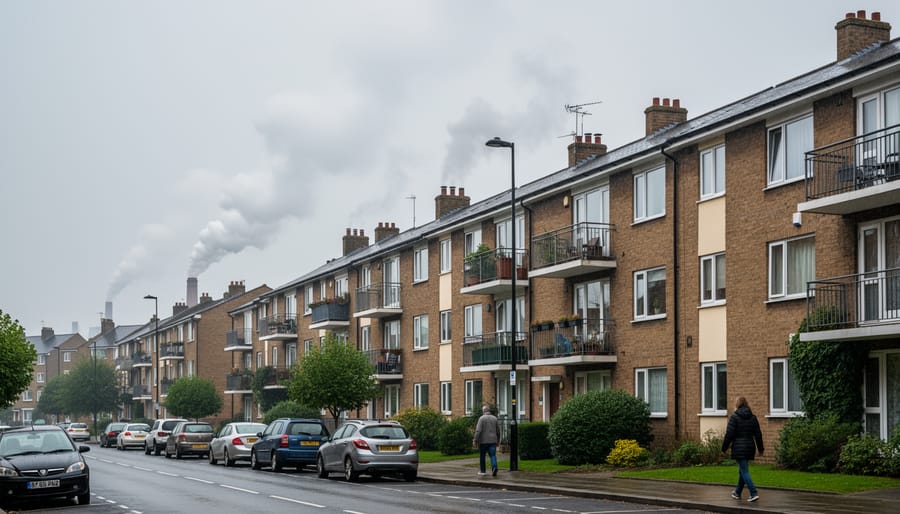
Environmental justice journals serve as essential archives documenting a pattern many communities have long understood through lived experience: pollution doesn’t fall equally on everyone. These publications reveal systematic disparities in who breathes the dirtiest air, who lives near hazardous waste sites, and who has access to the environmental amenities wealthier neighborhoods take for granted.
The research compiled in these journals traces clear connections between zip codes, race, income levels, and environmental quality. Studies consistently show that low-income communities and communities of color face significantly higher exposure to industrial emissions, traffic-related air pollution, and contaminated water sources. One particularly revealing area of investigation examines how distance from highways and manufacturing facilities correlates almost predictably with neighborhood demographics, creating what researchers call “sacrifice zones” where environmental regulations fail to protect residents adequately.
Air quality disparities form a major focus of this research. Journal articles document how fine particulate matter and ozone levels can vary dramatically within a single city, with monitoring data showing that some neighborhoods experience pollution levels double or triple those in adjacent areas. This isn’t random distribution. The documented patterns show that proximity to diesel truck routes, refineries, and other pollution sources maps onto historical redlining boundaries with disturbing precision.
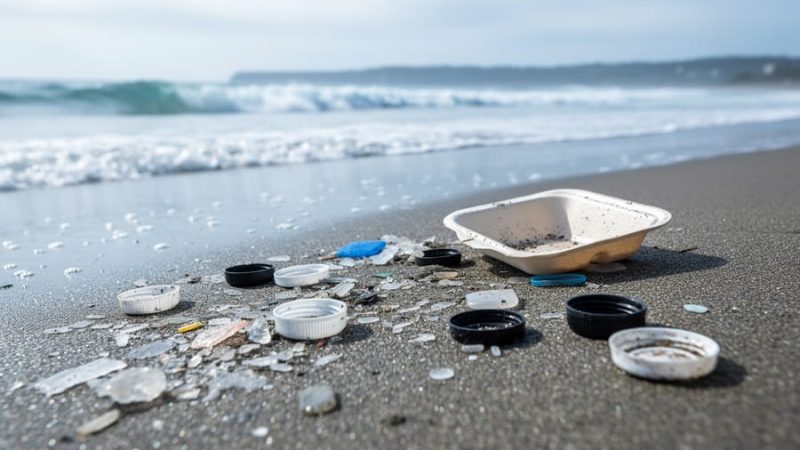
Beyond air quality, these journals examine toxic exposure through multiple pathways. Plastic pollution research reveals how microplastics concentrate in waterways serving specific communities, while studies on soil contamination track lead and other heavy metals in residential neighborhoods built near former industrial sites. The research doesn’t just measure pollutants, it connects exposure levels to health outcomes including asthma rates, birth complications, and cancer clusters.
Access to green spaces represents another critical inequality these publications track. Research shows that unequal park access compounds other environmental burdens, with studies measuring tree canopy coverage, playground availability, and walkable natural areas across different neighborhoods. Communities already facing the highest pollution exposure often have the fewest environmental buffers that might offset those harms.
What makes these journals particularly valuable is their insistence on connecting environmental data to social context, refusing to treat pollution as simply a technical problem divorced from questions of power, history, and justice.
Key Journals Leading the Environmental Justice Conversation
Several dedicated journals have become essential reading for anyone seeking to understand environmental injustice and its solutions. These publications range from peer-reviewed academic journals that set scholarly standards to community-focused publications that prioritize lived experience over statistical models.
Environmental Justicepublished by Mary Ann Liebert, Inc., stands as the flagship academic journal in this field. Launched in 2008, it publishes rigorous research on pollution exposure, health disparities, and environmental racism while maintaining accessibility for practitioners and advocates. The journal has featured groundbreaking studies on everything from lead contamination in urban housing to the disproportionate placement of industrial facilities near low-income neighborhoods.
Local Environment takes a broader geographical approach, examining how environmental burdens and benefits distribute across communities worldwide. This journal excels at comparative studies that reveal patterns of injustice across different political and cultural contexts. You’ll find articles analyzing air quality disparities in European cities alongside studies of water access in the Global South, providing valuable frameworks that local advocates can adapt to their own situations.
| Journal Name | Primary Focus | Access Model | Target Audience |
|---|---|---|---|
| Environmental Justice | Health disparities, pollution exposure, policy analysis | Subscription (some open access articles) | Researchers, advocates, policymakers |
| Local Environment | Community sustainability, spatial justice, global comparisons | Subscription | Academics, urban planners, community organizers |
| Environmental Health Perspectives | Health impacts of environmental hazards | Fully open access | Public health professionals, general public |
| Race, Poverty & the Environment | Grassroots movements, community voices | Free online | Activists, community leaders, educators |
Community-based publications play an equally vital role. Race, Poverty & the Environmentpublished by Urban Habitat, centers the voices of frontline communities rather than academic observers. This journal features first-person accounts from residents fighting toxic facilities, photo essays documenting environmental conditions, and strategy guides written by organizers who’ve won real victories. The writing style prioritizes clarity and practical application over academic conventions.
Environmental Health Perspectiveswhile broader than environmental justice alone, deserves mention for its fully open-access model and rigorous coverage of how pollution affects human health. Published by the National Institute of Environmental Health Sciences, it makes cutting-edge research freely available to anyone with internet access. Many environmental justice advocates rely on studies from this journal when building their cases.
These journals collectively create a knowledge ecosystem where academic research validates community experiences, and grassroots documentation pushes researchers toward questions that matter most to affected populations.
How These Journals Drive Real-World Change
From Research to Legislation
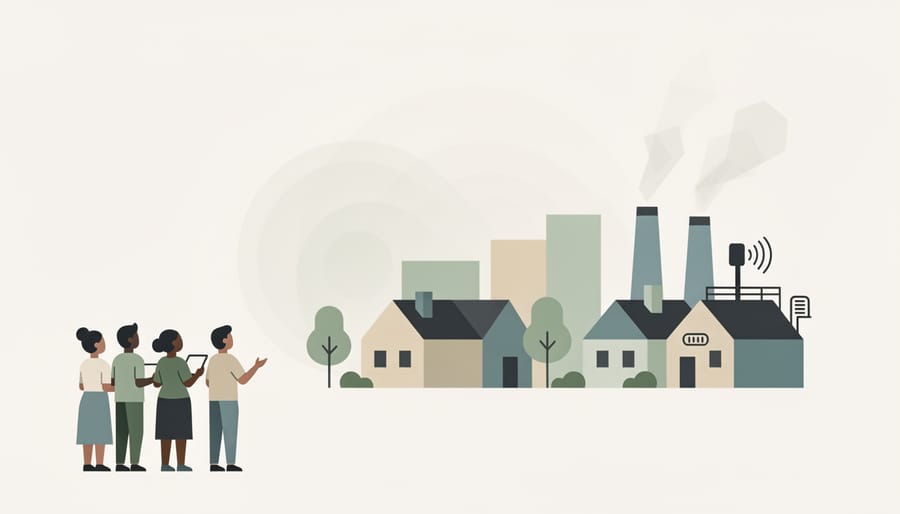
Published research in environmental justice journals creates a direct pipeline to policy change. When scientists document health disparities from industrial pollution or map toxic exposures in low-income neighborhoods, legislators gain the evidence they need to craft targeted regulations.
The Environmental Protection Agency’s 2024 strengthened air quality standards for particulate matter drew heavily from journal studies linking PM2.5 exposure to cardiovascular disease in communities near highways and industrial zones. Similarly, Pennsylvania’s proposed updates to emission limits for petrochemical facilities cite peer-reviewed research showing elevated asthma rates in nearby residential areas, exactly the kind of data-driven approach that Pennsylvania policy fixes require to address environmental inequities.
State environmental justice laws increasingly reference specific journal articles in their legislative findings. New Jersey’s 2020 environmental justice statute explicitly cited published research on cumulative impacts when establishing permit review requirements for overburdened communities. This trend shows how academic publications move from university libraries into the legal code, transforming documented harm into enforceable protections.
Local governments use journal research too. City councils reviewing zoning applications for new industrial facilities now routinely request environmental justice assessments modeled on methodologies published in academic journals, ensuring decisions consider existing pollution burdens rather than treating each project in isolation.
Empowering Communities With Data
Communities across Pennsylvania and beyond are turning published environmental justice research into powerful advocacy tools. When residents of Chester, a predominantly Black city dealing with industrial pollution, presented peer-reviewed studies showing elevated asthma rates linked to nearby facilities, they forced regulators to reconsider permit approvals. The data gave their testimony concrete weight that personal stories alone couldn’t achieve.
In Pittsburgh’s Mon Valley, neighborhood groups used journal-published air quality research to demand real-time pollution monitoring at steel plants. Armed with findings that showed particulate matter spikes during specific production processes, they successfully lobbied for emission controls tied to health-protective limits rather than industry-friendly averages.
Research also helps communities connect dots between seemingly separate issues. Studies documenting how industrial runoff compounds existing problems like litter impacts on waterways have helped Pennsylvania advocates build broader coalitions linking anti-pollution efforts with watershed protection campaigns.
The most effective community uses of research don’t just cite studies, they make the findings visual and local. Residents create maps overlaying pollution sources with childhood asthma rates, or present side-by-side photos of green spaces in wealthy versus low-income neighborhoods alongside journal findings about health disparities. This translation of academic work into accessible formats turns research into irrefutable evidence that demands action.
Reading and Understanding Environmental Justice Research

Reading academic journals can feel intimidating when you’re not a scientist, but environmental justice research is meant to inform real people about real problems. You don’t need a PhD to extract valuable insights that can strengthen your advocacy or deepen your understanding of local environmental issues. The key is knowing where to look and how to translate scholarly language into actionable information.
Most environmental justice journals operate on a mix of open-access and subscription models. Start with open-access platforms like PLOS ONE, Frontiers in Environmental Science, or the Directory of Open Access Journals (DOAJ), which provide free full-text articles. Many university libraries also offer public access to computers where you can read subscription journals on-site. If you find a paywalled article that seems crucial, email the author directly, researchers often share their work freely when asked, especially for community advocacy purposes.
Once you’ve located a relevant article, follow this strategic reading approach:
- Read the abstract first, this 150-250 word summary tells you the study’s purpose, methods, key findings, and conclusions without scientific jargon.
- Skip to the conclusion section to understand what the researchers believe their findings mean for communities and policy.
- Review the figures, maps, and tables, which often present data more clearly than dense paragraphs and show patterns like how pollution spreads across neighborhoods.
- Scan the introduction for background context on the community or environmental problem being studied.
- Identify the geographic scope and demographics, is this research applicable to your Pennsylvania community or a similar situation?
- Look for the “limitations” section where researchers acknowledge what their study couldn’t address, helping you understand the boundaries of their findings.
Don’t get bogged down in the methodology section unless you’re specifically challenging the research. Focus instead on the discussion section, where researchers interpret results and connect them to broader environmental justice concerns.
Create a simple annotation system for yourself: highlight statistics that could strengthen a public comment, underline policy recommendations, and note any citations to Pennsylvania-specific research. Many advocates keep a digital folder of key excerpts organized by topic, air quality, water contamination, health impacts, making it easy to reference during community meetings or when writing to elected officials.
When you encounter unfamiliar terms, search for them alongside “plain language” or check environmental glossaries from EPA or environmental organizations. The effort to understand this research pays off when you can cite peer-reviewed evidence that validates what your community already knows from lived experience.
Contributing Your Voice: Community-Based Environmental Justice Documentation
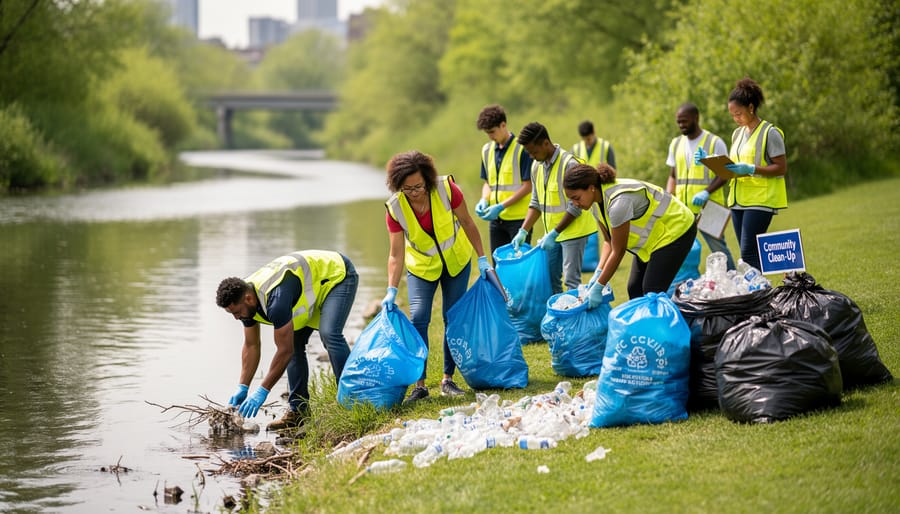
You don’t need a PhD to contribute meaningful data to the environmental justice conversation. Community members often hold the most detailed knowledge about local environmental problems, and researchers increasingly recognize this expertise as invaluable to their work.
Community science projects offer a straightforward entry point. Programs like the Smell Pittsburgh app allow residents to report air quality issues in real time, creating datasets that researchers and regulators take seriously. Similar initiatives track water quality, soil contamination, and noise pollution using simple testing kits and smartphone technology. Your observations about when chemical smells are strongest, which neighborhoods flood repeatedly, or where asthma rates seem higher become part of the scientific record.
Testimonial documentation carries equal weight. Many environmental justice journals now publish first-person accounts and oral histories alongside traditional research. Recording your family’s health timeline in relation to a nearby facility, photographing visible pollution over months, or mapping community concerns on neighborhood walks provides context that laboratory data alone cannot capture. These narratives humanize statistics and often inspire deeper investigation.
Partnering with academic researchers creates mutually beneficial relationships. Universities conducting environmental health studies need community liaisons who understand local dynamics and can facilitate meaningful engagement. You might help design survey questions that resonate with residents, identify which gathering spaces work best for public meetings, or explain cultural factors that affect participation. Many institutions now require community partnerships for environmental justice grants, making your involvement essential rather than optional.
Local environmental organizations and health departments often coordinate documentation efforts and welcome volunteers. They provide training on data collection methods, ensure your contributions reach appropriate audiences, and connect you with ongoing research projects seeking community input. Start by contacting groups already working on issues you’ve witnessed firsthand, your lived experience is the foundation environmental justice documentation needs.
Pennsylvania’s Environmental Justice Stories in the Academic Record
Pennsylvania communities have become compelling subjects in environmental justice literature, with researchers documenting both ongoing struggles and remarkable victories. These published case studies offer proof that local action can spark meaningful change while providing blueprints for other communities facing similar challenges.
Chester, Pennsylvania appears repeatedly in environmental justice journals as a textbook example of cumulative pollution burden. This small Delaware County city hosts a disproportionate concentration of waste processing facilities, including incinerators and a trash-to-steam plant. Research published in journals like Environmental Justice has documented how residents, predominantly Black and low-income, experience asthma rates significantly higher than state averages. These studies provided crucial evidence when community groups challenged facility permits, demonstrating how academic documentation strengthens legal arguments and public awareness campaigns.
In rural southwestern Pennsylvania, researchers have examined the drinking water crisis affecting communities near abandoned coal mines. Journal articles detail how acid mine drainage contaminates wells with iron, manganese, and sulfates, forcing families to rely on bottled water for years. One particularly impactful study traced the health impacts on children in Greene County, linking contaminated water to developmental concerns. This research caught the attention of state legislators, ultimately contributing to increased funding for mine reclamation projects and water infrastructure improvements.
The success story of North Braddock stands out in the literature. This Mon Valley community transformed a brownfield contaminated by decades of steel production into green space through resident-led organizing. Environmental justice scholars documented the entire process, from initial soil testing to community garden establishment. Their research highlighted how residents used scientific data to secure remediation funding while maintaining control over redevelopment plans. The published case study now serves as a reference for other post-industrial communities pursuing similar transformations.
These Pennsylvania stories do more than fill academic pages. They validate community experiences, provide ammunition for advocacy, and demonstrate that marginalized neighborhoods possess both the knowledge and determination to demand environmental equity. Each published case study becomes part of a larger narrative proving that environmental justice isn’t just theory, it’s measurable progress happening in real communities.
Environmental justice journals do more than archive research, they serve as blueprints for change, connecting scientific evidence to community action and policy reform. These publications have documented pollution patterns, exposed health disparities, and amplified voices from communities that powerful interests often ignore. For Pennsylvania readers witnessing environmental challenges in their own neighborhoods, these journals offer both validation and a roadmap forward.
The real power of these publications lies in their accessibility. You don’t need an advanced degree to benefit from this research. Start by exploring open-access articles on topics affecting your community, whether that’s air quality concerns in urban centers or water contamination in rural areas. Share relevant findings with local advocacy groups, school boards, or municipal officials. When communities ground their demands in peer-reviewed evidence, decision-makers listen differently.
Consider taking your engagement further. Participate in community science projects that contribute data to ongoing research. Attend public hearings armed with journal citations that support your position. If you’re an educator, incorporate environmental justice case studies into your curriculum to inspire the next generation of advocates.
Every successful environmental justice victory featured in these journals started with someone who refused to accept pollution as inevitable. By engaging with this research, you join a growing movement that believes everyone deserves clean air, safe water, and healthy neighborhoods, regardless of zip code or income level. Your sustainability journey can start with a single article that sparks action in your community.