The Meaning of Mitigation: What It Is and How It Protects Our Environment
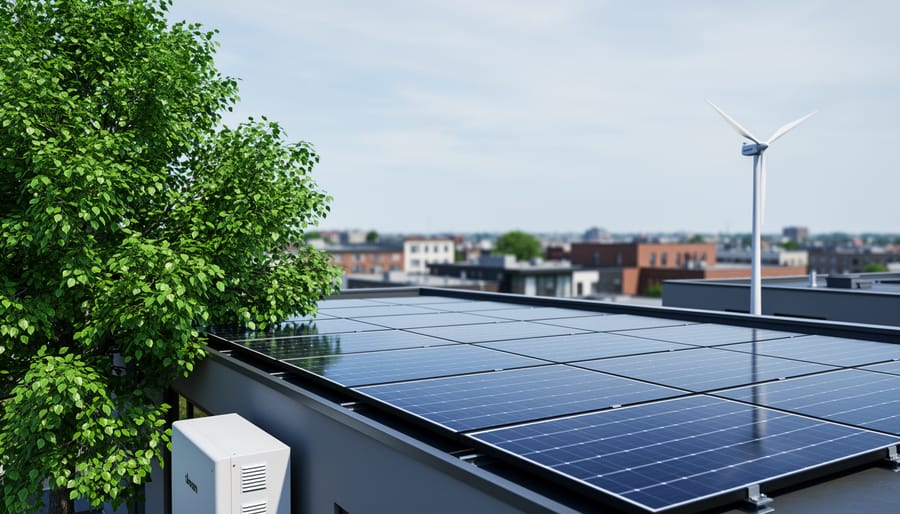
Mitigation means taking action to prevent, reduce, or slow down harm before it escalates. In the context of climate and environment, mitigation refers specifically to efforts that reduce greenhouse gas emissions or remove carbon from the atmosphere, directly addressing the root causes of climate change rather than simply coping with its effects.
Understanding mitigation matters now more than ever. As communities across Pennsylvania and beyond face rising temperatures, severe weather events, and ecosystem disruption, the distinction between preventing future damage and adapting to current changes shapes how we invest time, money, and resources. Mitigation tackles the source of the problem by cutting emissions through renewable energy adoption, energy efficiency improvements, and land use changes that sequester carbon.
This article breaks down what mitigation truly means, how it works in practice, the different types you’ll encounter in climate policy and disaster planning, and where you can apply mitigation strategies in your own life and community. You’ll also learn how mitigation differs from adaptation, a commonly confused but complementary approach, so you can speak confidently about climate solutions and recognize effective action when you see it. Whether you’re a student researching environmental concepts, a homeowner exploring sustainable choices, or simply someone who wants to understand the climate conversation happening around you, this guide offers the clarity you need to move from confusion to informed engagement.
What Mitigation Means: A Clear Definition
Mitigation refers to actions taken to prevent, reduce, or delay negative impacts before they occur. Rather than reacting to problems after they happen, mitigation focuses on proactive measures that reduce the severity of threats, minimize potential harm, or stop damaging processes altogether.
In everyday contexts, mitigation might mean installing smoke detectors to reduce fire risk or securing loose items before a storm. The concept becomes especially important when applied to environmental and climate challenges, where mitigation can prevent, reduce or delay impacts that would otherwise grow exponentially over time.
- Mitigation
- Actions that prevent, limit, reduce, delay, or slow negative environmental changes and their associated harms.
- Climate Change Mitigation
- Specific efforts to slow the rate and magnitude of climate change by reducing greenhouse gas emissions and removing carbon from the atmosphere.
- Disaster Mitigation
- Infrastructure improvements and planning strategies that reduce community vulnerability to floods, storms, wildfires, and other climate-related hazards.
- Greenhouse Gas Emissions
- Releases of carbon dioxide, methane, and other gases that trap heat in the atmosphere and drive climate change.
Understanding these distinctions helps clarify how mitigation applies across different contexts. Climate change mitigation targets the root causes of warming by cutting emissions and sequestering carbon. Disaster mitigation builds resilience into communities and infrastructure so that extreme weather events cause less damage. Both approaches share a common thread: they address problems before they spiral, making them more effective and less costly than responding after the fact.
This preventive mindset distinguishes mitigation from adaptation, which adjusts to impacts already underway. Together, they form a complete strategy for environmental protection.
How Mitigation Works in Practice
The Mitigation Process: From Risk to Action
Turning mitigation from concept into reality follows a structured pathway, whether you’re tackling climate risks or disaster vulnerabilities. The process starts with risk identificationanalyzing which threats pose the greatest danger to your community, infrastructure, or environment. This might mean mapping flood zones, calculating carbon emissions, or assessing wildfire exposure based on local conditions.
Once risks are clear, the next step is strategy development. Experts and stakeholders design targeted interventions that address root causes rather than symptoms. For climate mitigation, that could mean transitioning municipal fleets to electric vehicles or retrofitting public buildings for energy efficiency. For disaster mitigation, it might involve reinforcing stormwater systems or creating natural flood barriers.
Implementation brings plans to life through funding, partnerships, and action. The Government of Canada, for instance, supports infrastructure projects through competitive programs that ensure merit-based allocation of resources. Local governments coordinate with engineers, community groups, and residents to deploy solutions on the ground.
Finally, monitoring and evaluation close the loop. Tracking greenhouse gas reductions, measuring flood resilience improvements, or documenting cost savings proves impact and guides adjustments. This ongoing assessment turns mitigation into a learning process, refining approaches as new data emerges and conditions shift.
Why Prevention Pays: The Return on Investment
Investing in mitigation pays off, often dramatically. Studies consistently show that disaster mitigation and climate change adaptation projects deliver proven returns on investment, typically saving four to six dollars for every dollar spent. These returns come from avoided damage, reduced emergency response costs, lower insurance premiums, and preserved economic productivity. For businesses, energy efficiency upgrades and renewable energy installations cut operating costs while reducing emissions. Communities that invest in flood defenses, fire-resistant infrastructure, and green stormwater systems spend less on disaster recovery and protect their tax base. The business case is clear: proactive mitigation is far cheaper than reactive repair, making prevention not just environmentally smart but economically essential.
Types of Mitigation: Climate, Disaster, and Beyond

Climate Change Mitigation
Climate change mitigation tackles the root cause of global warming by cutting the greenhouse gas emissions that drive temperature rise. Rather than adjusting to climate impacts after they occur, mitigation works to slow the rate of change itself, buying time for communities and ecosystems while reducing the severity of future disruptions.
The most effective mitigation strategies fall into three broad categories. First, renewable energy adoption replaces coal, oil, and gas with solar, wind, and hydroelectric power that produce zero or minimal emissions during operation. Second, energy efficiency improvements, better insulation, LED lighting, high-performance appliances, reduce the total energy needed to power homes, businesses, and transportation. Third, carbon sequestration captures and stores carbon dioxide, whether through reforestation projects that pull CO₂ from the air or technologies that prevent industrial emissions from reaching the atmosphere.
In Pennsylvania, these strategies translate to real action: homeowners installing rooftop solar arrays, municipalities upgrading to LED streetlights, and farms planting cover crops that store carbon in soil. Each step shrinks the collective carbon footprint, demonstrating that climate change mitigation isn’t abstract policy, it’s tangible work happening in communities now.
Disaster Mitigation
Disaster mitigation focuses on reducing vulnerability before emergencies strike. This includes infrastructure projects that manage stormwater, reinforced building codes for high-wind zones, firebreaks and controlled burns in wildfire-prone areas, and early warning systems that issue flash flood warnings to at-risk communities. Unlike emergency response, which reacts to disasters already underway, mitigation invests in prevention, upgrading levees, restoring wetlands that absorb floodwater, and relocating critical utilities above flood plains.
Programs like the Disaster Mitigation and Adaptation Fund support public infrastructure projects that protect communities from climate-related threats. These initiatives demonstrate the proven return on investment that mitigation delivers: every dollar spent on proactive measures saves several dollars in post-disaster recovery. In Pennsylvania, where intense storms and flooding have become more frequent, mitigation efforts include green infrastructure that slows runoff, updated zoning that restricts development in flood zones, and community shelters designed to withstand severe weather. By addressing risks before they escalate into crises, disaster mitigation safeguards lives, property, and local economies.
Mitigation Actions You Can Take
Personal Mitigation Strategies
You can reduce your household’s greenhouse gas emissions through straightforward changes in four key areas. Start at home: improving insulation, sealing air leaks, and switching to LED lighting cuts energy waste year-round. Green home heating options like programmable thermostats and high-efficiency heat pumps lower both your carbon footprint and utility bills. For longer-term impact, solar panels in PA can offset a significant portion of your electricity emissions.
Transportation offers quick wins: carpooling, using public transit, biking for short trips, or switching to an electric vehicle all curb tailpipe emissions. Waste reduction matters too, composting food scraps, buying less packaging, and repairing instead of replacing items prevent methane from landfills and reduce the energy embedded in new goods.
Finally, your yard can become a carbon asset. Native plants require less water and fertilizer, while trees absorb CO₂ as they grow. Simple practices like mulching and choosing drought-tolerant species help you save water in the yard while supporting local ecosystems. Each action compounds over time, turning individual effort into measurable climate mitigation.

Community and Infrastructure Mitigation
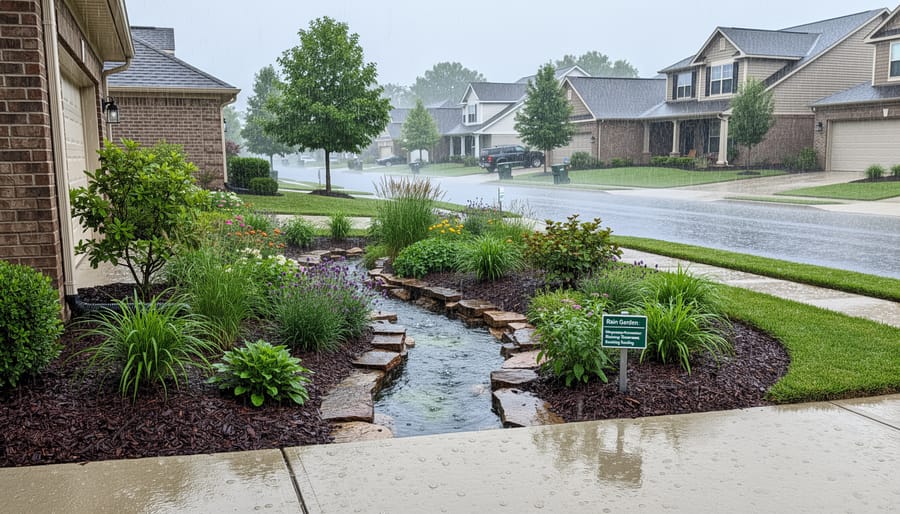
Communities across Pennsylvania and beyond are implementing infrastructure-scale mitigation projects that reduce climate and disaster vulnerability for entire neighborhoods. Green infrastructure, such as rain gardens, permeable pavements, and urban tree canopies, absorbs stormwater, lowers flood risk, and cools urban heat islands simultaneously. Municipal governments are retrofitting aging stormwater systems, reinforcing vulnerable bridges, and creating flood buffer zones that protect thousands of residents at once.
Public mitigation programs like the Disaster Mitigation and Adaptation Fund support competitive infrastructure projects nationwide, channeling resources into preventive measures that strengthen communities before disasters strike. These investments carry proven returns: infrastructure designed to withstand floods, extreme heat, and severe storms costs less than repeated emergency response and rebuilding.
Collective action multiplies impact. Neighborhood associations can advocate for street tree plantings, community groups can organize green roof installations on public buildings, and local coalitions can push for updated building codes that require climate-resilient construction. When municipalities commit to comprehensive mitigation planning, mapping flood zones, identifying heat-vulnerable populations, upgrading emergency shelters, they create systems that protect everyone, especially those least able to recover from disaster. The most effective community mitigation combines physical infrastructure with inclusive planning that ensures no neighborhood gets left behind.
Pennsylvania Success Stories
In Lancaster County, the city’s green infrastructure initiative demonstrates how local mitigation can deliver measurable results. By installing bioswales and permeable pavements in flood-prone neighborhoods, the municipality reduced stormwater runoff by nearly 30 percent while cutting annual flood damage costs. Residents report fewer basement floods and improved water quality in nearby streams, proving that strategic mitigation investments protect both infrastructure and community well-being.
Mitigation vs. Adaptation: Understanding the Difference
Mitigation and adaptation represent two distinct but equally vital responses to climate change. Mitigation tackles the root cause, it slows the rate and magnitude of climate change by cutting greenhouse gas emissions at the source. When you install solar panels, insulate your home, or ride a bike instead of driving, you’re practicing mitigation because you’re preventing additional carbon from entering the atmosphere.
Adaptation, by contrast, accepts that some degree of climate change is already underway and focuses on adjusting to its effects. Building sea walls to protect coastal communities, developing drought-resistant crops, and updating building codes to withstand stronger storms are all adaptation strategies. They don’t prevent climate change itself, but they reduce our vulnerability to impacts we can’t fully avoid.
Neither approach works in isolation. The more successful our mitigation efforts today, the less severe the climate impacts we’ll need to adapt to tomorrow. Conversely, smart adaptation projects buy us time to implement deeper mitigation strategies. Pennsylvania communities installing green stormwater infrastructure, for example, adapt to increased rainfall while simultaneously mitigating future warming by sequestering carbon in planted areas. Programs like Canada’s Disaster Mitigation and Adaptation Fund recognize this synergy, supporting projects that deliver both preventive and protective benefits with proven returns on investment.
Common Questions About Mitigation
What is the meaning of mitigation?
Mitigation refers to actions that prevent, reduce, delay, or slow the rate of negative impacts. In environmental and climate contexts, it specifically means reducing the severity of climate change or disaster risks through proactive measures.
What is climate change mitigation?
Climate change mitigation describes actions that slow the rate and magnitude of climate change by reducing greenhouse gas emissions. This includes transitioning to renewable energy, improving energy efficiency, and implementing carbon sequestration practices.
What is the Disaster Mitigation and Adaptation Fund?
The Disaster Mitigation and Adaptation Fund is a national, competitive, merit-based contribution program that supports public infrastructure projects designed to protect communities from climate-related disasters. These projects have proven returns on investment by reducing future damage costs.
What’s the difference between mitigation and adaptation?
Mitigation prevents or slows climate change by reducing greenhouse gas emissions, while adaptation helps communities adjust to the climate changes already occurring. Both strategies work together to address the climate crisis comprehensively.
These questions reflect what most people want to know when they first encounter mitigation terminology. Understanding the basic definition helps you recognize mitigation strategies in daily life, from choosing energy-efficient appliances to supporting local infrastructure improvements.
If you’re ready to take action, start by identifying which mitigation approaches fit your circumstances. Homeowners might focus on energy efficiency upgrades, while community members can advocate for disaster-preparedness programs or green infrastructure in their municipalities. Pennsylvania residents have access to various state and federal programs that support both individual and community mitigation efforts, making it easier than ever to participate in climate protection.
Mitigation represents one of the most powerful tools we have for protecting our environment and communities. Whether you’re reducing greenhouse gas emissions to slow climate change, reinforcing infrastructure against floods and storms, or implementing everyday actions that lower your environmental footprint, you’re engaging in proactive prevention that delivers real results. The evidence is clear: mitigation works, and it pays.
You don’t need to wait for sweeping policy changes to make a difference. Start with the strategies outlined in this article, improving your home’s energy efficiency, choosing sustainable transportation, supporting local green infrastructure projects. These individual actions add up. Share what you learn with neighbors, advocate for mitigation funding in your community, and support institutions that prioritize prevention over reaction.
Pennsylvania’s future depends on the mitigation choices we make today. Every action that prevents environmental harm, no matter how small, contributes to healthier ecosystems, safer communities, and a more stable climate. The question isn’t whether mitigation matters, it’s what you’ll do about it. Take the first step today.