How Global Warming Affects the Environment (And What’s Happening in 2026)
The planet has warmed by approximately 1.2 degrees Celsius since pre-industrial times, and this seemingly small shift is reshaping every ecosystem on Earth. Global warming affects the environment through interconnected changes that cascade across weather patterns, ocean systems, wildlife habitats, and the very air we breathe.
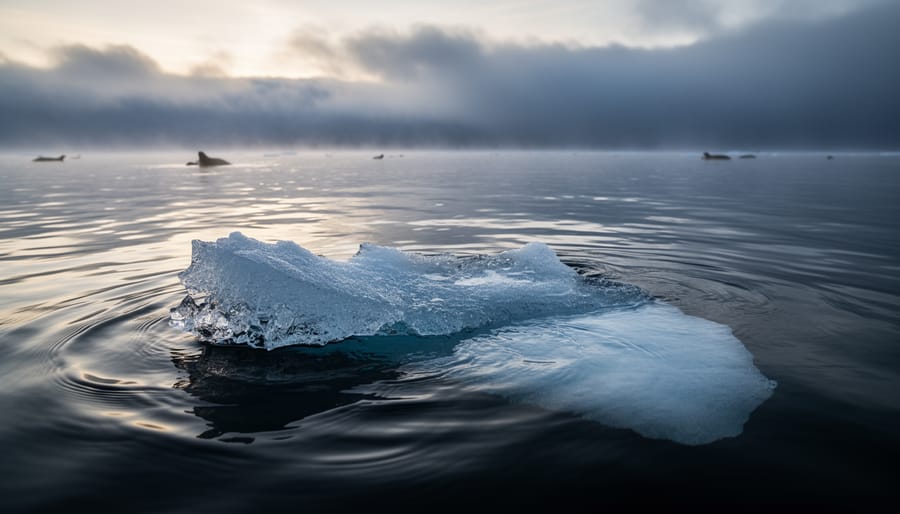
Right now, in 2026, we’re witnessing these effects accelerate. Arctic sea ice continues shrinking at a rate of about 13% per decade. Ocean temperatures have reached record highs, fueling more intense hurricanes and disrupting marine food chains. Here in Pennsylvania, average temperatures have risen 2 degrees Fahrenheit over the past century, altering growing seasons and bringing new pest species to our forests.
The science is straightforward: greenhouse gases like carbon dioxide trap heat in our atmosphere. Since the Industrial Revolution, atmospheric CO2 has jumped from 280 parts per million to over 420 parts per million today. This heat retention doesn’t just make summers hotter. It destabilizes climate systems that took millennia to establish.
Consider what happens when polar ice melts. Beyond raising sea levels, it reduces the Earth’s reflectivity, causing even more heat absorption. Warmer oceans can’t hold as much oxygen, stressing fish populations. Shifting rainfall patterns turn agricultural regions into dust bowls while flooding increases elsewhere.
These aren’t distant future scenarios. They’re measurable changes happening now, affecting local ecosystems and communities across the globe. Understanding these mechanisms helps us grasp both the urgency of the crisis and the opportunities for meaningful action. Every fraction of a degree matters, and the choices we make today will determine how drastically our environment continues to transform.
The Science Behind Global Warming’s Environmental Impact
Global warming affects the environment through a straightforward but powerful mechanism: greenhouse gases accumulate in our atmosphere and trap heat that would otherwise escape into space. When we burn fossil fuels, cut down forests, and engage in industrial agriculture, we release carbon dioxide, methane, and other gases that act like a blanket around Earth. These gases allow sunlight to pass through but prevent the resulting heat from radiating back out, causing temperatures to rise steadily across the planet.
NASA’s climate research confirms that human emissions trap heat in ways that natural carbon cycles cannot counterbalance at current emission rates. The atmosphere now contains roughly 50% more carbon dioxide than it did before the Industrial Revolution, and that concentration keeps climbing. Each fraction of a degree matters because Earth’s climate operates as an interconnected system where small temperature changes trigger cascading effects across weather patterns, ocean currents, and seasonal cycles.
Climate change is causing dangerous disruption in nature and is affecting billions of people around the world.
This warning from the United Nations reflects what scientists observe in 2026: the environmental impacts are no longer theoretical future risks but present-day realities reshaping ecosystems globally. The disruption happens because natural systems evolved over millennia to function within relatively stable temperature ranges. When those temperatures shift upward, plants bloom earlier, ice melts faster, and precipitation patterns change in ways that strain both wildlife and human communities.
The heat doesn’t distribute evenly. Some regions experience more dramatic warming than others, and certain ecosystems prove more vulnerable to disruption. Polar areas warm faster than tropical zones, mountain ecosystems face pressure as species try moving upslope, and drought-prone regions see their water stress intensify. Understanding this science helps explain why environmental impacts appear so varied yet all trace back to the same root cause: excess heat trapped by greenhouse gases we’ve added to the atmosphere.
Rising Temperatures and Ecosystem Disruption
Changes to Plant Growth and Garden Zones
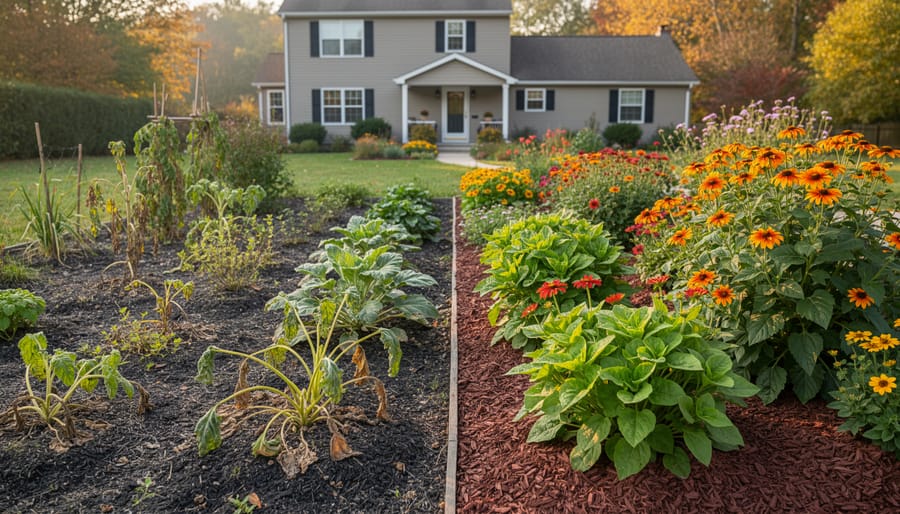
Pennsylvania gardeners are witnessing firsthand how rising temperatures are redrawing the horticultural map. The USDA updated its Plant Hardiness Zone Map in recent years, with plant growth zones shifting northward as average winter lows climb. Many Pennsylvania counties that were solidly Zone 6 a decade ago now straddle Zone 6b or even 7a, meaning milder winters and longer frost-free periods.
This shift opens doors for southern varieties that once struggled here. Crepe myrtles, for instance, are surviving winters in southeastern Pennsylvania gardens where they would have frozen out ten years back. Heat-loving tomatoes and peppers produce for an extra two to three weeks in autumn. But the changes cut both ways. Spring arrives earlier, coaxing fruit trees to blossom before the last frost, leaving blossoms vulnerable to late freezes that still strike in April. Traditional cool-season crops like lettuce and peas bolt faster in the heat, shortening their productive window.
Rainfall patterns matter, too. Warmer air holds more moisture, leading to heavier downpours that can waterlog roots, then longer dry spells that stress plants accustomed to consistent moisture. Pennsylvania gardeners are adapting by choosing drought-tolerant natives, mulching heavily to retain soil moisture, and watching bloom times rather than calendar dates to guide planting decisions.
Wildlife and Habitat Shifts
Animals across North America are shifting their ranges northward and to higher elevations as warming temperatures make their traditional habitats less hospitable. In Pennsylvania, species once common farther south, like certain butterfly and bird populations, now appear regularly in backyards and forests, while cold-adapted species retreat toward the state’s northern counties or higher ridges. These migrations create mismatches: pollinators may arrive before their host plants bloom, or predators may find their prey has already moved on.
The cascading effects ripple through entire food webs. When one species relocates, it disrupts established relationships between plants, insects, birds, and mammals that evolved together over millennia. Pennsylvania’s oak forests, for example, support hundreds of native caterpillar species that feed songbirds during nesting season. If warming pushes those caterpillars to emerge before migratory birds arrive, nestlings go hungry. Meanwhile, invasive species that tolerate heat and disturbance often fill the gaps left behind, outcompeting natives and reducing ecosystem resilience. These biodiversity impacts from climate change alter not just individual species but the functioning of entire natural communities.
Extreme Weather Events: Droughts, Floods, and Wildfires
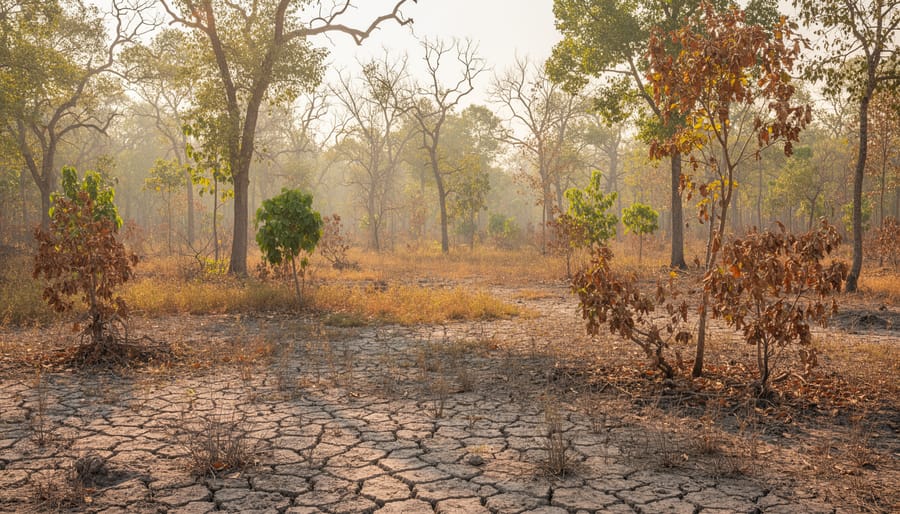
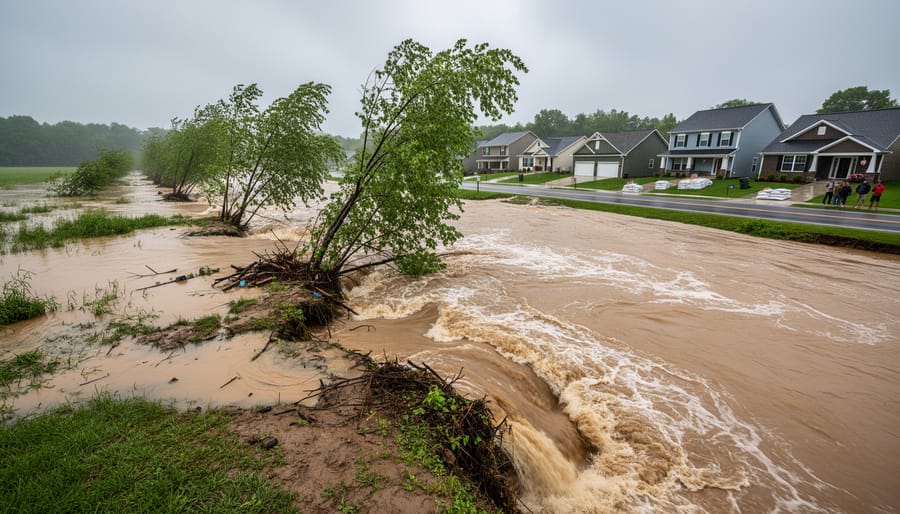
Global warming doesn’t just make things warmer; it supercharges the entire climate system, turning what used to be manageable weather into increasingly dangerous extremes. In 2026, we’re watching this play out in real time. Droughts more frequent and severe than those our grandparents experienced are draining reservoirs and turning fertile ground to dust. Floods that once happened every hundred years now seem to arrive every decade, overwhelming infrastructure never designed for this intensity. Wildfires rage across landscapes primed by prolonged dry spells and record heat.
The mechanism behind these extremes is straightforward but powerful. A warmer atmosphere holds more moisture, about seven percent more for every degree Celsius of warming. That extra water vapor means heavier downpours when it rains, yet it also fuels more intense evaporation during dry periods. The result is a climate of greater contrasts: wetter wet seasons and drier dry seasons, with less of the moderate, predictable weather that ecosystems and agriculture depend on.
Droughts hit drought-prone regions especially hard, turning manageable dry spells into multi-year water crises. Farmers watch crops fail. Communities face water restrictions that stretch from weeks into months. The economic toll runs into billions annually, affecting food prices, energy production, and livelihoods far beyond the immediate drought zone. When rain finally arrives after these prolonged dry periods, parched soil can’t absorb it quickly enough, and the same regions that suffered drought suddenly face extreme flood warnings.
Pennsylvania isn’t immune to these shifts. While the state doesn’t face the same drought severity as the Southwest, residents have noticed changing precipitation patterns in recent years. Spring storms arrive with more intensity, dumping rain that runs off rather than soaking in. Summer dry spells linger longer than they used to, stressing gardens and natural areas alike. These aren’t isolated incidents but part of the broader pattern of climate disruption affecting billions worldwide.
The wildfire connection completes this destructive cycle. Extended droughts dry out vegetation, turning forests and grasslands into tinderboxes. Higher temperatures create ideal burning conditions. When fires ignite, they burn hotter and spread faster than historical blazes, releasing stored carbon back into the atmosphere and perpetuating the warming cycle. Understanding these interconnected extreme weather events helps explain why addressing climate change matters for every ecosystem and community.
Biodiversity Loss and Species at Risk
Global warming drives species toward extinction at an alarming pace. When temperatures rise rapidly, many plants and animals cannot adapt or relocate quickly enough to survive. Coral reefs bleach and die in warming oceans, while polar species lose the ice they depend on. Forests that once thrived in stable climates face new pests and diseases as temperature zones shift northward. Each species lost weakens the web of life that sustains ecosystems, reducing resilience against further disruption.
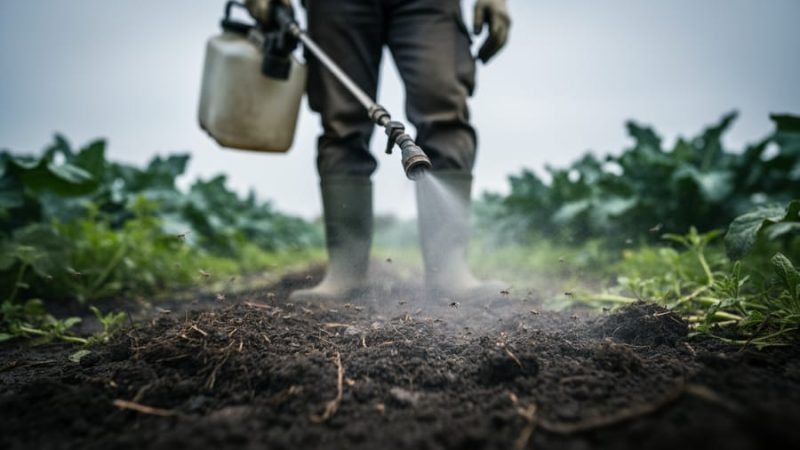
Biodiversity loss caused by climate change combines with other threats to create compounding damage. According to Canada’s 2030 Nature Strategy, the impacts of biodiversity loss, combined with those of climate change and pollution, negatively affect culture, language, and knowledge sharing. Indigenous communities lose traditional food sources and medicinal plants as species vanish. Scientists lose opportunities to study organisms before they disappear, taking potential discoveries with them. The effects of pesticides add another layer of stress to wildlife already struggling with temperature changes and habitat loss.
Pennsylvania provides a microcosm of these broader patterns. Native wildflowers that once carpeted spring forests bloom earlier or skip years entirely when weather patterns become erratic. Migrating birds arrive to find their food sources out of sync with traditional timing. Amphibians face dual threats from warming temperatures and increased disease susceptibility. In your own garden, you might notice fewer pollinators visiting flowers or familiar birds becoming scarce. These local observations reflect global biodiversity trends, where climate disruption accelerates species loss and frays the interconnections that keep ecosystems functioning.
Air Quality, Disease, and Public Health Connections
Global warming’s environmental disruptions don’t stop at melting ice or shifting ecosystems. They reach directly into the air we breathe and the diseases we face. As temperatures climb, two troubling patterns intensify: air quality deteriorates, and pathogens spread into places they couldn’t survive before.
Warmer air holds more ground-level ozone, the main ingredient in smog. Heat also accelerates chemical reactions that form airborne pollutants, turning summer days into respiratory hazards even in areas with relatively clean air. For people with asthma, heart conditions, or lung disease, this means more difficult breathing, emergency room visits, and restricted outdoor time. Children and older adults face heightened risks, making what used to be safe summer afternoons potentially harmful.
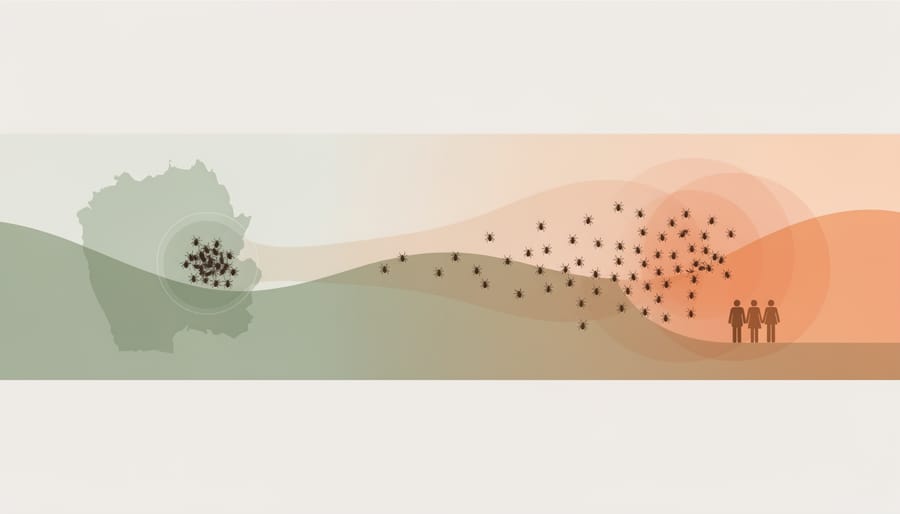
At the same time, rising temperatures are expanding the geographic range of disease-carrying organisms. Ticks, which once died off in Pennsylvania’s coldest months, now survive milder winters and thrive in areas that were previously too harsh for them. Research confirms that warming spreads ticks and Lyme disease into new territories, putting more hikers, gardeners, and outdoor enthusiasts at risk. What was once a concern limited to specific regions has become a widespread public health challenge.
Mosquitoes carrying West Nile virus are also extending their range northward. As winters shorten and growing seasons lengthen, these insects find hospitable conditions in places they couldn’t establish before. The environmental changes happening around us are quietly reshaping disease patterns, making prevention and awareness more critical than ever. Understanding these connections helps us protect both our local ecosystems and our personal health.
What We’re Seeing in Pennsylvania Right Now
Across Pennsylvania this year, the fingerprints of climate change aren’t abstract projections, they’re showing up in backyards, forests, and streams. Gardeners are noticing shifts that would have seemed impossible a generation ago. Plants that once thrived are struggling through hotter, drier summers, while species traditionally suited to warmer zones are suddenly doing well. The maple trees that define Pennsylvania autumns are experiencing stress from temperature swings and altered precipitation patterns, and their signature fall colors are appearing later or fading faster than locals remember.
Dr. Maria Chen, an ecologist with the Pennsylvania Conservation Alliance, has spent 2026 documenting these changes firsthand. “We’re seeing eastern hemlocks dying off in unprecedented numbers as warmer winters allow invasive pests to survive and expand their range,” she explains. “Species we’ve studied for decades are behaving differently. Brook trout, which need cold, clean water, are disappearing from streams where they’ve lived for centuries. We’re finding them only in the highest, coldest headwaters now.”
The tick population has exploded across the state, extending their active season well into November. What used to be a spring and summer concern now spans most of the year, bringing a sharp rise in Lyme disease cases. Farmers are grappling with erratic rainfall, intense storms followed by weeks of drought, that makes planning nearly impossible. Spring arrives earlier, throwing off the timing between pollinators and the plants they’ve coevolved with for millennia.
These aren’t distant threats or computer models. They’re the lived reality of Pennsylvania in 2026, affecting everything from weekend hikes to agricultural livelihoods. The environmental disruption that global scientific bodies have warned about is unfolding in real time, in places people know and love.
Taking Action: How Your Choices Matter
Understanding how global warming affects the environment can feel overwhelming, but recognizing these impacts equips you to make meaningful changes. Individual actions collectively create ripples that strengthen ecosystem resilience and reduce greenhouse gas emissions. Every choice matters, from your backyard to your utility bills.
Start with changes that offer immediate impact:
- Transform your garden into a climate-smart space by choosing native plants that require less water and support local wildlife. Learning to save water in gardens reduces strain on local water systems during increasingly severe droughts.
- Reduce your home’s carbon footprint by implementing green home heating tips and switching to energy-efficient appliances that lower emissions while cutting utility costs.
- Consider renewable energy options. Many Pennsylvania homeowners are exploring solar panels in PA as prices become more accessible and incentives expand in 2026.
- Cut food waste by composting, which diverts methane-producing materials from landfills while enriching your soil naturally.
- Choose walking, biking, or public transit when possible to reduce transportation emissions, one of the largest sources of greenhouse gases.
Beyond these immediate steps, support policies and organizations working to protect Pennsylvania’s ecosystems. Vote for candidates who prioritize climate action. Join local environmental groups that restore habitats and educate communities.
The science shows human emissions drive these environmental changes, but that same reality means human choices can slow and reverse damage. Your decisions today shape the resilience of ecosystems tomorrow. Small shifts in daily habits multiply across communities, creating the collective action necessary to address how global warming affects the environment we all depend on.
Global warming affects the environment in ways that touch every ecosystem, species, and community on Earth. From rising temperatures that disrupt habitats and shift growing seasons to extreme weather events that strain our natural systems, the connections are profound. We’ve seen how warming worsens air quality, accelerates biodiversity loss, intensifies droughts and floods, and even expands disease ranges. These aren’t isolated problems, they’re interconnected disruptions to the delicate balance that sustains life.
Understanding these impacts isn’t meant to overwhelm you. It’s meant to empower you. When you grasp how greenhouse gas emissions trap heat and drive these changes, you can make informed choices that matter. Every sustainable decision you make, whether it’s adapting your Pennsylvania garden to new growing realities, reducing your carbon footprint, or supporting local conservation efforts, contributes to ecosystem resilience.
The urgency is real, but so is the opportunity. The science shows us what’s happening and why, giving us a clear path forward. You don’t need to tackle everything at once. Start where you are. Choose native plants that support local wildlife. Reduce waste. Share what you’ve learned. Your actions ripple outward, joining millions of others working toward a healthier planet. We’re already seeing the shifts in 2026, but we’re also seeing communities adapt, innovate, and thrive. That’s the power of informed action, and it starts with you.