Is Water Safe for Infants? Age Rules, Tap Water Checks, and Where to Get Help
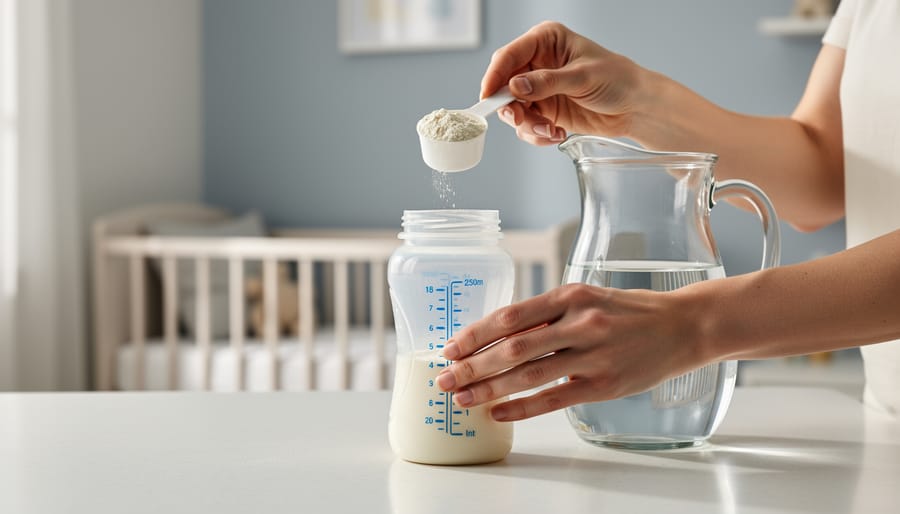
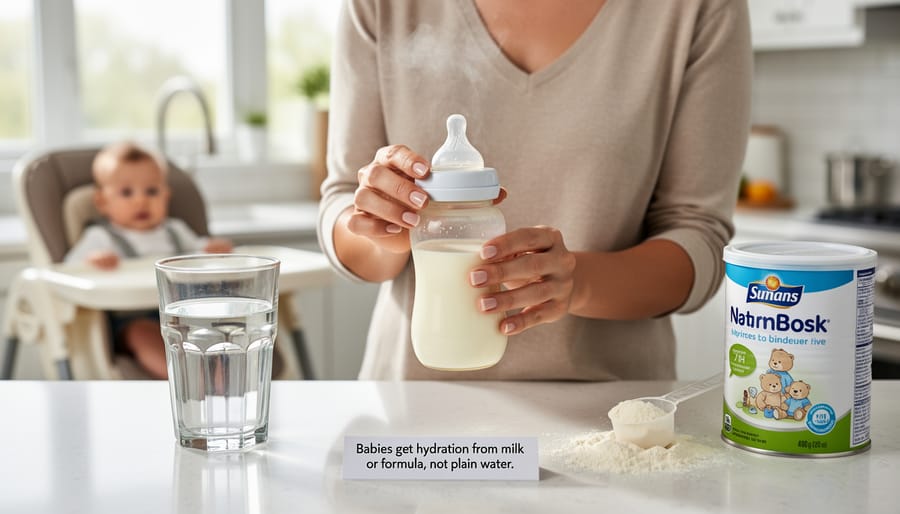
Yes, water is safe for infants once they’re old enough to need it, and only if you know where it comes from. For the first six months, breast milk or formula gives your baby all the hydration they need, so plain water isn’t necessary and can even crowd out the nutrition they’re getting. Around six months, when solid foods begin, small sips of safe water with meals are fine. The second half of the question matters just as much: the water you mix into formula, bathe your baby in, or offer in a cup has to be safe too.
That second part is where most parents have questions. Babies are small, and their bodies take in more water for their size than ours do, so what’s in the tap matters more for them. The good news is that checking is simple and mostly free. Your water source, whether it’s a public utility or a private well, tells you what steps to take. In Pennsylvania, where both are common, a few quick checks can give you confidence that every bottle you prepare is a safe one.
This guide walks through what “safe” actually means, what’s right at each age, how to prepare water step by step, and where to turn for testing and help.
What ‘Safe Water’ Means for a Baby
Why Infants Are More Sensitive Than Adults
A baby’s body handles water very differently than yours does, and size is the biggest reason. Infants are tiny, but they take in a lot of fluid compared to their weight. That means anything in their water, whether it’s a germ or a trace of lead, makes up a bigger share of what their bodies have to cope with.
Their kidneys are still learning the job, too. Kidneys balance water and salt and filter out waste, and in a young baby they aren’t yet working at full strength. Too much plain water can dilute the body’s salt levels, which is one reason milk or formula comes first.
Then there’s the immune system. A newborn’s defenses are still developing, so germs that a healthy adult would shrug off can make a baby sick more easily. None of this is cause for alarm. It simply explains why a few extra precautions around water make good sense.
The Most Common Water Concerns for Babies
Lead is a metal that can leach into tap water from old pipes, solder, or fixtures. It’s a concern because even small amounts can affect a baby’s developing brain and nervous system, and babies who drink formula made with tap water take in more water for their size than anyone else in the house. Homes built before the mid-1980s are the most likely to have lead in their plumbing.
Nitrates are chemicals that come from fertilizer, animal waste, and septic systems, and they show up most often in private wells. In babies under 6 months, high nitrate levels can reduce the blood’s ability to carry oxygen, a condition called “blue baby syndrome.” Boiling water does not remove nitrates, and it can actually concentrate them.
Bacteria and other germs, such as E. coli, can contaminate untreated or damaged water supplies. Because a baby’s immune system is still maturing, a stomach bug that an adult shrugs off can lead to dehydration quickly.
Fluoride helps prevent cavities, but too much of it during the years teeth are forming can cause faint white marks on permanent teeth. If you mix powdered formula with fluoridated tap water every day, ask your pediatrician whether that’s a good fit for your baby.
Who Can Drink Water, and When? Age-by-Age Guidance
Birth to 6 Months
Babies under six months get all the fluid they need from breast milk or formula. Both are mostly water already, and they come packed with the calories, fat, and nutrients a growing baby needs.
Extra water causes trouble because a newborn’s stomach is tiny. Plain water fills it up without feeding it, so your baby may take less milk and miss out on nutrition. Too much water can also dilute the sodium in a baby’s blood, which can lead to serious problems like seizures. That’s rare, but it’s why the guidance is simple: don’t offer extra water in these early months unless your pediatrician tells you to.
| Age range | Main source of fluid | Plain water guidance | When to call the pediatrician |
|---|---|---|---|
| Birth to 6 months | Breast milk or formula | Generally none needed | If your baby seems very thirsty, has fewer wet diapers, or you’re thinking of adding water |
If hot weather or illness has you wondering about extra fluids, check in with your baby’s doctor first. A quick call beats guessing.
6 to 12 Months
Once your baby starts solid foods, usually around 6 months, small amounts of water become a helpful addition. Breast milk or formula still supplies most of their fluids, so think of water as a supporting player, not a replacement. A few ounces a day is plenty at this stage.
Offer water alongside milk at mealtimes, since this pairs sips with the new textures and flavors your baby is exploring. It also gives them a chance to practice drinking from something other than a bottle or breast.
An open cup or a straw cup works well for this practice. Hold the cup for your baby at first, offer just a small amount, and expect spills. That’s normal, and it’s all part of learning.
Use water that has been prepared safely, following the tips above. If your baby has a medical condition, was born early, or you’re unsure how much is right, check with your pediatrician.
Preparing Tap Water for Formula and Baby Drinks: Your Responsibilities as a Parent
When to Boil, Filter, or Switch Water Sources
If your utility issues a boil-water advisory, bring tap water to a rolling boil for one minute (three minutes at high elevations), then let it cool before mixing formula. Boiling is great for germs, but it won’t remove lead or nitrates. Boiling water that contains nitrates can actually concentrate them, which matters for young babies.
Home filters are similar: they only handle what they’re built for. A basic pitcher filter that improves taste may do nothing for lead or nitrates. Look for products certified for the specific contaminant you’re worried about, and check the packaging for that claim. Certified filters for contaminants are the ones tested against real standards, so they’re the safer bet when a baby is drinking the water. If your results show a problem that boiling or filtering can’t fix, switching to bottled water for formula is a sensible short-term move while you sort out a longer solution.
If you’d like to cut down on single-use plastic, a certified filter and a reusable bottle are easy swaps, and there’s no pressure to be perfect. Small steps add up, whether that’s water conservation at home or building sustainable daily routines that fit your family.
Know Your Water: Testing Tap Water and Private Wells in Pennsylvania
Knowing what’s in your water is the single most useful step you can take, and in Pennsylvania the path depends on where your water comes from.
If you’re on a public water system, your supplier does a lot of the work for you. Every year, it must publish a water quality report, often called a consumer confidence report. You can usually find it on your utility’s website or request a copy. To read it, look for the table of detected substances, compare the “level found” against the “allowed limit,” and check for any notes about violations. If a number sits below the limit, that’s the green light. Pay special attention to lead and nitrate entries, since those matter most for babies.
Private well owners have a different job. Private wells aren’t regulated the way public systems are, so testing is your responsibility, and Pennsylvania has a lot of private wells, so you’re far from alone. A good rule is to test for bacteria and nitrates every year, and to add lead and other contaminants based on your home and surroundings. A state-accredited lab is the way to go, and Pennsylvania’s Department of Environmental Protection keeps a list of accredited labs you can check before you collect a sample.
Older homes deserve a second look, no matter your water source. Houses built before the mid-1980s may have lead service lines or lead solder in the plumbing, which can add lead to water that left the treatment plant perfectly clean. Many families also like to protect waterways near their homes, since healthy streams and groundwater often mean cleaner water for everyone downstream.
Here’s a quick checklist to keep handy:
- Read your public system’s annual water quality report.
- Note the age of your home’s plumbing and any lead service lines.
- Follow a regular testing schedule if you have a private well.
- Use a state-accredited lab for every sample.
- Share your results with your pediatrician.
Once you have results in hand, you can make clear, confident choices about formula prep, filters, or switching water sources. Bring those numbers to your pediatrician, who can tell you what they mean for your baby’s age and needs. A few small steps now can give you lasting peace of mind.
Where to Get Help and Official Information
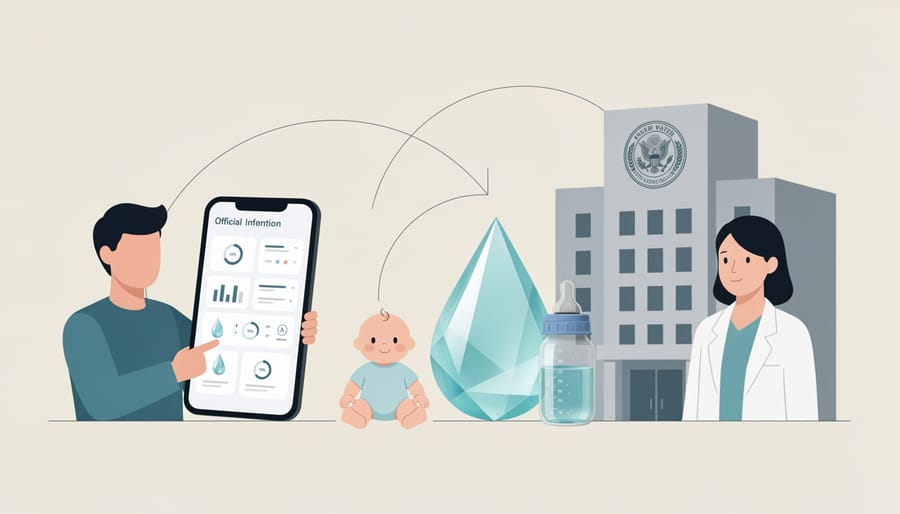
Different questions call for different people, so it helps to know who to ask. Matching the question to the right source saves time and gets you a better answer.
Your pediatrician is the first stop for anything about your baby’s body: whether your little one is ready for water, how much is appropriate, or what to do during hot weather, illness, or if your baby was born early. Water sources can’t answer those questions. Your baby’s doctor can.
Your local water utility answers “Is my tap water safe?” if you’re on a public system. Utilities publish yearly water quality reports and can tell you about any advisories, lead service lines, or recent test results in your area. Look for the contact details on your bill or the utility’s website.
The Pennsylvania Department of Environmental Protection (DEP) oversees drinking water across the state and is a good place to learn about regulations, public water system records, and private well guidance. If you have a well, DEP’s resources can point you toward testing basics and accredited labs.
Your county health department often helps with local concerns, including well testing guidance and neighborhood-level issues.
The U.S. EPA’s Safe Drinking Water Hotline and drinking water website offer clear, general information on contaminants, filters, and home water safety.
For suspected exposure to a harmful substance, poison control can give fast guidance. Because phone numbers and programs change, always confirm current contact details on each organization’s official website before you call.
Common Questions About Babies and Water
Parents ask the same handful of questions about water again and again, so here are quick, general answers. None of this replaces advice from your pediatrician, who knows your baby best.
Can I give my baby bottled water, and is well water okay for formula?
Bottled water is generally fine for mixing formula, though it isn’t automatically sterile, so many pediatricians still suggest boiling and cooling it for very young infants. Private well water should be tested before you use it for formula, since wells can carry bacteria or nitrates that are especially risky for babies.
Does a water filter make tap water safe for babies?
Not always. A filter only removes what it’s certified to remove, such as lead, and boiling won’t take lead or nitrates out of water. Check the filter’s certification against the contaminant you’re concerned about.
What about baby bathing water, and is fluoride a concern?
Babies rarely swallow much bathwater, so ordinary tap water is usually fine for bathing. Fluoride in tap water is common and generally considered beneficial for teeth, but ask your pediatrician if you’re unsure how much is right for your baby, especially when mixing powdered formula.
What if my baby seems thirsty in hot weather?
For babies under six months, extra breast milk or formula is usually the answer rather than plain water. If your baby seems overheated, fussy, or less wet than usual, call your pediatrician.
Warm days can make any parent second-guess feeding routines. It helps to understand how hot weather impacts your household, from how quickly babies lose fluids to how quickly stored bottles warm up. Keep formula and water cool and out of direct sun, and offer feeds a little more often.
If your questions extend beyond drinking and bathing, these water safety tips for parents and caregivers cover protecting little ones around water in everyday life. When in doubt, a quick call to your pediatrician is always a good move.
Keeping a baby safe around water comes down to a few steady habits, not a long checklist. Offer breast milk or formula first, add small sips of water around six months, and prepare formula with fresh, cold tap water that has been run for a moment. These routines are simple, and they add up.
Knowing where your water comes from makes you even more confident. If you’re on a public system, take a few minutes to read your annual water quality report. If you rely on a private well, schedule a test with a state-accredited lab, since no utility is doing it for you. Older homes may deserve a closer look at their plumbing, too.
Then lean on the people who know your baby best. Your pediatrician can answer questions about how much water your little one needs and when. Small, informed choices, like using a reusable bottle or a certified filter, protect your family and the planet at once. That’s the heart of Water Safety for Families: calm, practical steps that help you feel good about every bottle you prepare.